Hire an SEO specialist who finds why organic traffic fell
An SEO specialist is worth hiring when organic search brings in visitors who become leads or customers, and when a traffic drop gets explained from evidence instead of blamed on the latest algorithm update. Ranking screenshots and keyword lists are easy to produce, so the way to compare candidates is to see each one diagnose a real problem with data and measurement before you interview.
What the hiring manager needs from an SEO specialist
The marketing lead hiring an SEO specialist usually has a site with years of pages, a content team publishing without much direction, and a traffic chart that nobody can fully explain. The lead needs someone who connects crawl, content and conversion data and says plainly what to fix first.
Organic traffic dropped after a site release
A redesign went live and sessions from search fell across product pages. The SEO specialist checks redirects, canonical tags, internal links and rendering in Search Console and a crawler, and finds the change that caused it before the team starts rewriting content.
Pages that rank and convert nothing
Several blog posts bring steady traffic for queries with no buying intent. The SEO specialist ties search data to leads in analytics, shows which pages earn their place, and redirects effort to queries the sales team would want.
Analytics that stopped counting correctly
Consent changes and a tag migration mean organic conversions look lower than sales believes. A careful SEO specialist works out what is a tracking gap and what is a real decline before reporting either to leadership.
A content plan pulled in every direction
Product wants feature pages, sales wants comparison pages, and the content team wants thought leadership. The SEO specialist argues from search demand and intent which pages to build first and how they link together.
Where hiring an SEO specialist usually goes wrong
- Trusting before-and-after ranking charts
- A chart of rising positions for chosen keywords proves little. The keywords may have no buyers behind them, and the chart rarely shows what happened to leads or revenue from search.
- Quizzing on ranking factors
- Questions about meta tag lengths and page speed thresholds test memory of blog posts. They do not show whether the candidate can find the one broken redirect rule behind a traffic loss.
- Separating SEO from measurement
- An SEO specialist who cannot check whether analytics is counting correctly will report false wins and false losses. Many hiring processes treat tracking as someone else's job and discover the gap after the hire.
Real tasks from a Gateway assessment
These come from a Gateway assessment for a marketing specialist, with the employer’s name taken out. Gateway writes every assessment from your own job description, so the tasks your candidates get are built around your role.
A tracking design, then a short note
Fix the tracking so ads still learn
An ad platform has restricted how a health brand can optimise for leads, and all tracking runs in the browser. A server container is set up but unused.
What a strong candidate did: Moved the right events to the server, kept health details out of what is sent, and explained what the ads can still optimise for.
A spreadsheet, then a written diagnosis
Diagnose a reactivation campaign that didn’t work
A campaign to win back lapsed retailers on a B2B ordering platform has underperformed. The data and the campaign brief are available.
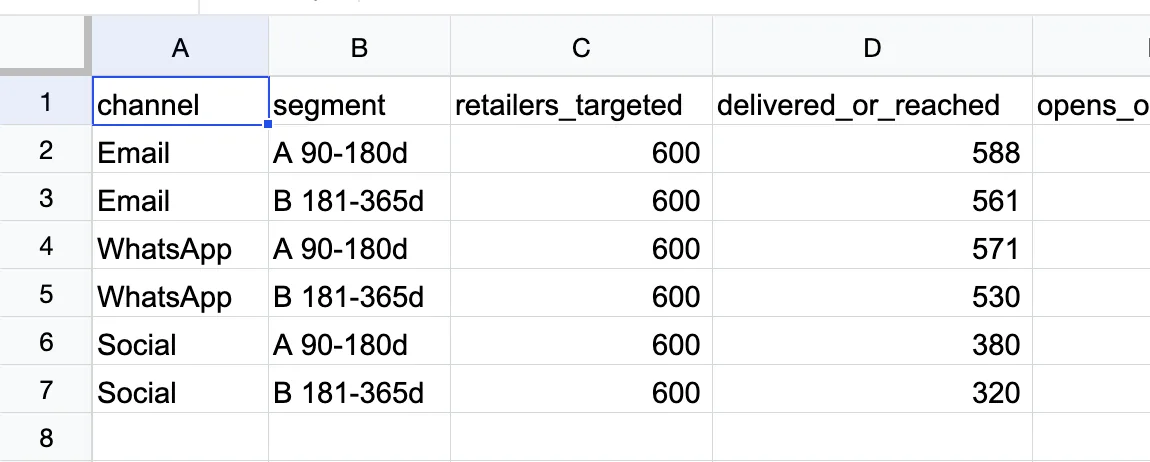
What a strong candidate did: Showed which retailers the campaign reached and which it missed, separated a targeting problem from a message problem, and proposed the next test.
How the decision gets made
In Gateway, each SEO specialist candidate works on situations from your job description: a tracking problem where the candidate decides which events must be measured server-side and what can still be learned, and a diagnosis of a campaign or channel that underperformed using its own data and brief. Work happens in a spreadsheet, a tracking design and a short written note. The marketing lead reads each skill's score with written feedback, opens the analysis read-only, and interviews only candidates who reached the cause from the data rather than from general SEO advice.
See your next SEO specialist at work before you meet them
Paste your job description and Gateway writes the assessment in about 5 to 10 minutes. Your team can edit every question before it goes out.
Questions
Can the assessment cover technical SEO and content SEO?
Yes. Gateway writes it from your job description, so if the role leans technical the situations involve crawl and tracking issues, and if it leans on content they involve intent and page planning. Your team can edit every question.
Do candidates need access to our Search Console?
No. Each situation comes with its own data inside the assessment, in a spreadsheet or document.
How do we compare an agency SEO with an in-house one?
Both work through the same situations, and each skill is scored with a reason against the line you set. The tier from 1 to 5 gives a quick comparison, and the work itself shows how each candidate reasons.
Can the hiring manager review results without logging in to everything?
Share a candidate's results with a note. The hiring manager sees the scores, the feedback and the candidate's spreadsheet and note read-only.
We are choosing between a technical SEO and a content-led SEO. Can the assessment help?
Run the same situations for both profiles and compare the scores skill by skill. A candidate strong on crawl and tracking but weak on intent and page planning shows that split clearly, and the written work shows why.
Related