Hire an accountant whose books close clean every month
An accountant is worth hiring when the month closes on time, the ledger ties to the bank and the invoices, and the finance manager can hand the numbers to auditors and founders without checking every entry. Tally, Zoho Books or QuickBooks on a resume shows the software, not the care, so the way to compare candidates is to watch each one work through real figures that do not reconcile before any interview.
What the hiring manager needs from an accountant
The finance manager or founder hiring an accountant needs the routine done right: invoices recorded, payments matched, tax filings prepared, and month-end closed without surprises. Beyond that, a good accountant notices when a number looks wrong and asks about it before the report goes out.
A month-end close that will not tie out
The bank balance and the ledger differ, and the close is due. The accountant works through unmatched receipts, duplicate entries and timing differences, documents each adjustment, and closes with a reconciliation the finance manager can follow.
Revenue that ignores refunds and unpaid invoices
The sales report counts every invoice as revenue, while refunds and long-overdue amounts sit elsewhere. The accountant brings them together so the margin the founder reads is the margin the business actually earned.
Tax filings with mismatched records
Input credits claimed in the books do not match what suppliers reported. The accountant lists each mismatch, follows up with the suppliers concerned, and corrects the records before the filing deadline.
Audit questions about old entries
The auditors ask for support behind several journal entries from earlier in the year. An accountant who kept clean records produces the evidence quickly; one who did not leaves the finance manager rebuilding the trail.
Where hiring an accountant usually goes wrong
- Hiring on the software list
- Almost every accountant names the same accounting packages and Excel. Knowing where the buttons are says little about whether the candidate spots a payment recorded twice.
- Theory questions about standards
- Asking for definitions of accruals or depreciation methods tests what a degree already covered. Daily accounting work is applying those rules to messy, incomplete records, which a theory round does not show.
- Not looking at the candidate's working
- Two accountants can reach the same total, one with a clear, traceable schedule and one with hard-coded numbers nobody can follow. The difference matters every time an auditor or a new team member opens the file.
Real tasks from a Gateway assessment
These come from a Gateway assessment for a general manager, with the employer’s name taken out. Gateway writes every assessment from your own job description, so the tasks your candidates get are built around your role.
A spreadsheet, then a written decision
Growing sales, shrinking margin: where the money goes
A B2B business grew last quarter and the report says margin is up, but cash feels tighter. The co-founder hears about refunds and customers not paying, and wants a decision.
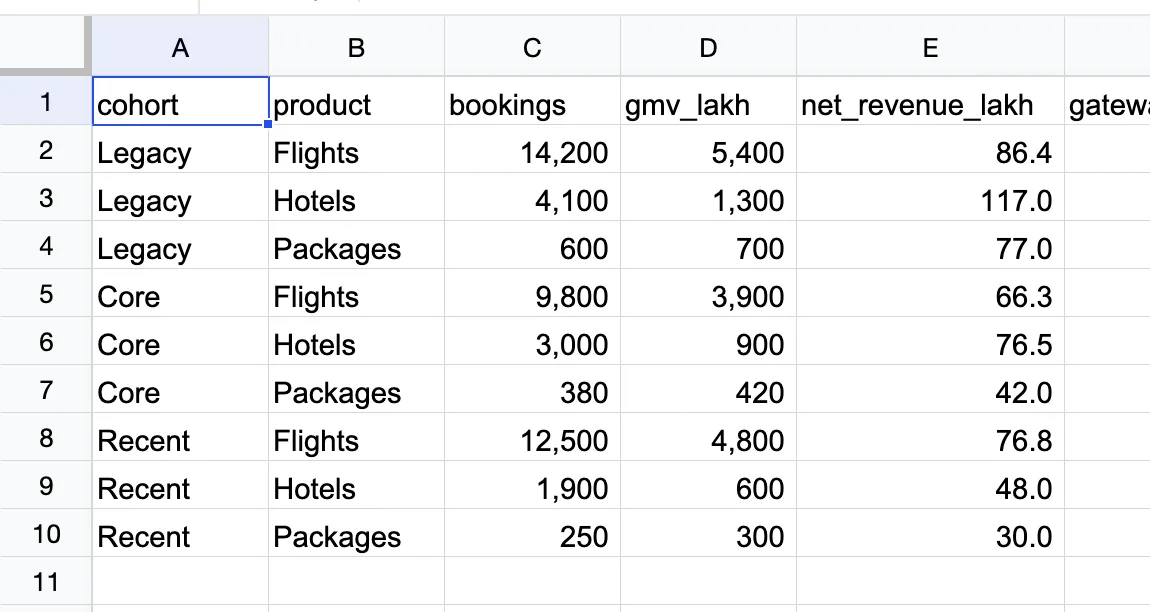
What a strong candidate did: Rebuilt margin after refunds and unpaid amounts, showed which customers and products lose money, and recommended what to change first.
A spreadsheet, then a written plan
Growing order value, shrinking margin: where to cut
In their third week, a general manager of a procurement marketplace hears from the CEO that order value is up more than 40% but the unit is losing more money.
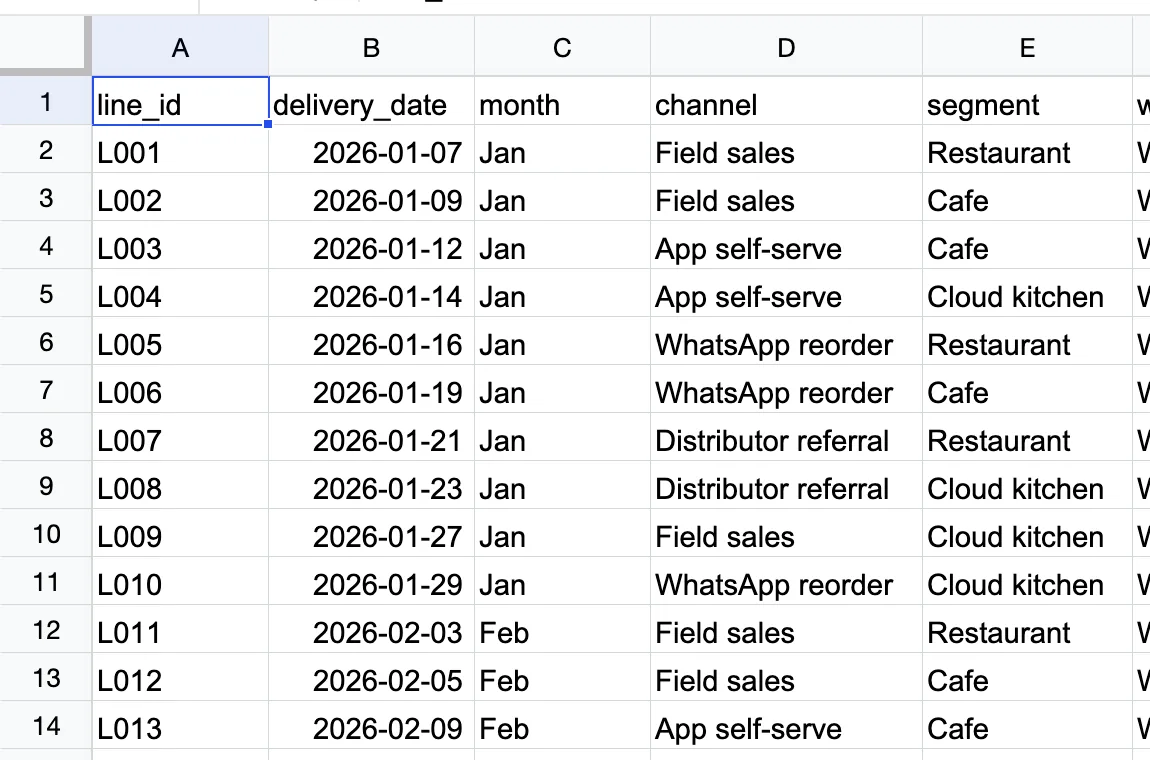
What a strong candidate did: Found which customers and delivery routes cost more than they earn, proposed cuts that protect the profitable growth, and said what it means for the team.
How the decision gets made
In Gateway, each accountant candidate works through situations from your job description in a spreadsheet: rebuilding margin after refunds and unpaid invoices, and breaking down cost by customer and route for a unit whose order value rose while losses grew. A short written note explains what the candidate found. The finance manager sees each skill scored with written feedback, opens the spreadsheet read-only to check the working cell by cell, and interviews only candidates whose numbers tied out and whose schedules another person could follow.
See your next accountant at work before you meet them
Paste your job description and Gateway writes the assessment in about 5 to 10 minutes. Your team can edit every question before it goes out.
Questions
Can the assessment include reconciliations and tax work specific to us?
Gateway writes the situations from your job description, so name the reconciliations, filings and records the role handles and the tasks follow them. Your team can edit any figure or question before sending.
We hire junior and senior accountants. Does one assessment fit both?
Create one for each level from its own job description. Every candidate gets a tier from 1 to 5 and a mark against the line you set for that level.
Can we see formulas, not just the final answer?
Yes. The candidate's spreadsheet opens read-only in the same tool, so your team can follow the working and change any score.
What does a candidate need?
A laptop or desktop and one link. Each step explains what it involves before the candidate accepts it, and the deadline is set when you add the candidate.
Can the hiring manager see where a candidate went wrong in a reconciliation?
Yes. Each skill comes with written feedback that names what the candidate missed or got right, such as a duplicate payment left in or a timing difference treated as an error. The finance manager can open the sheet beside the feedback and adjust the score.
Related