Hire an operations manager who finds where the business leaks money
An operations manager is hired to make the business run at a cost it can sustain: deliveries on time, suppliers on good terms, teams staffed to demand, and growth that does not quietly destroy margin. Process methods and certifications look alike on resumes, so the way to compare candidates is to give each one real operating numbers and a supplier proposal and read what the candidate decides before an interview.
What the hiring manager needs from an operations manager
The CEO or COO hiring an operations manager usually has growth that has outrun the way the company delivers. The need is a person who can take a cost or service problem, work out where it comes from in the numbers, and change routes, suppliers or staffing without the CEO having to referee every decision.
Orders are up and the unit is losing more
Order value is growing quickly, yet losses grew faster. The operations manager breaks cost down by customer and delivery route, finds the ones that cost more to serve than they earn, and proposes cuts that keep the profitable growth.
A supplier offers a long exclusive deal
A key supplier proposes a multi-year exclusive agreement with terms that look generous on the first page. The operations manager models what it is really worth across the term, negotiates the clauses that matter, and keeps an exit if volumes fall.
A service failure the customers noticed
Deliveries in one region are late for two weeks running. The operations manager separates a capacity problem from a planning or partner problem, fixes the cause, and tells sales and support what to say to customers in the meantime.
Headcount requests from every team
Each lead asks for more people. The operations manager compares workload against output per team, approves where demand is real, and suggests process or scheduling fixes where it is not.
Where hiring an operations manager usually goes wrong
- Hiring on Lean or Six Sigma badges
- Process certifications show training, not judgement. An operations manager who can draw a value stream map may still miss that one customer segment costs more to serve than it pays.
- Rewarding scale over economics
- Candidates describe the size of the operations they ran: warehouses, fleets, headcount. Size says little about whether the operation made money under that person's watch.
- No numbers in the interview
- Operations interviews often stay at the level of stories. Without a spreadsheet in front of the candidate, the hiring team never sees whether the person can find the cost driver behind a margin problem.
- Skipping negotiation
- Supplier and partner terms decide a large part of operating cost. Few processes test how a candidate negotiates, so soft negotiators get hired and margin goes to suppliers.
Real tasks from a Gateway assessment
These come from a Gateway assessment for a general manager, with the employer’s name taken out. Gateway writes every assessment from your own job description, so the tasks your candidates get are built around your role.
A spreadsheet, then a written plan
Growing order value, shrinking margin: where to cut
In their third week, a general manager of a procurement marketplace hears from the CEO that order value is up more than 40% but the unit is losing more money.
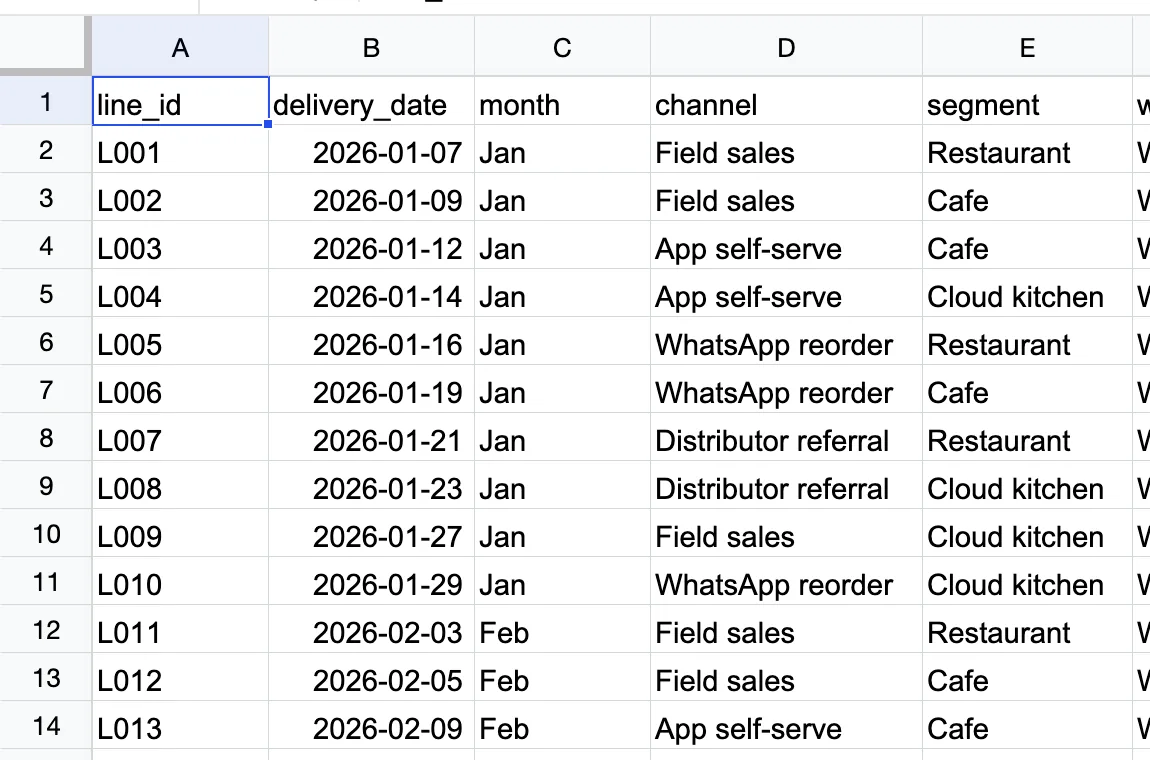
What a strong candidate did: Found which customers and delivery routes cost more than they earn, proposed cuts that protect the profitable growth, and said what it means for the team.
A spreadsheet, then a written decision
Growing sales, shrinking margin: where the money goes
A B2B business grew last quarter and the report says margin is up, but cash feels tighter. The co-founder hears about refunds and customers not paying, and wants a decision.
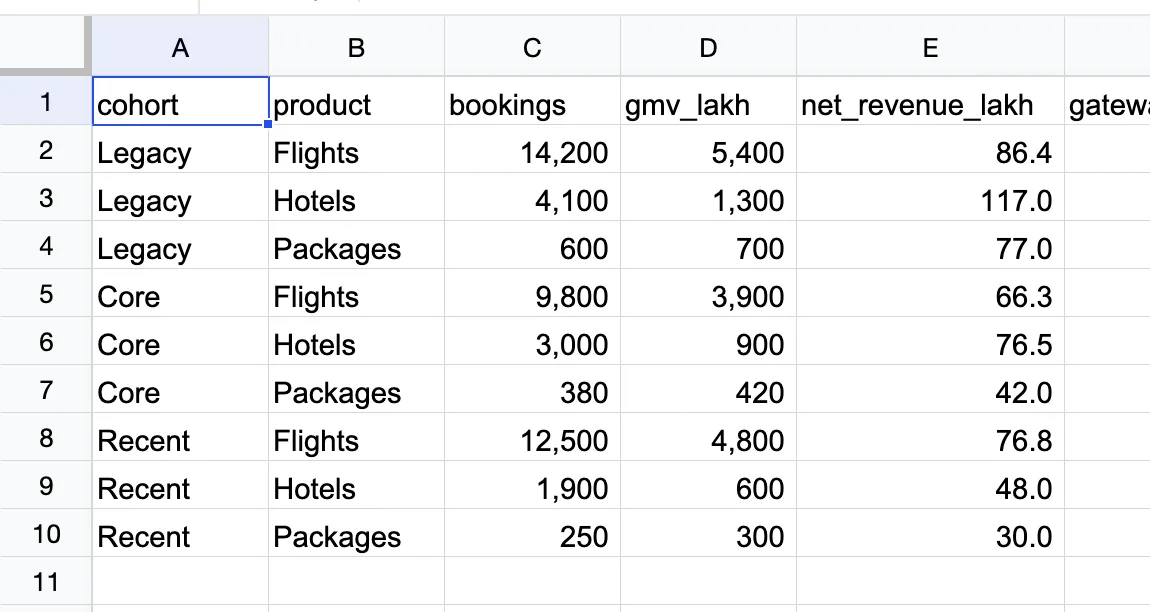
What a strong candidate did: Rebuilt margin after refunds and unpaid amounts, showed which customers and products lose money, and recommended what to change first.
How the decision gets made
In Gateway, each operations manager candidate works through situations written from your job description: a unit whose order value is rising while losses grow, analysed in a spreadsheet with a written plan, and a margin rebuild that shows which customers and products lose money after refunds and unpaid invoices. The CEO or COO sees each skill scored with written feedback, opens the spreadsheet and plan read-only, and spends interviews only on candidates whose numbers held up and whose cuts protected the profitable part of the business.
See your next operations manager at work before you meet them
Paste your job description and Gateway writes the assessment in about 5 to 10 minutes. Your team can edit every question before it goes out.
Questions
Can the scenarios match our kind of operations, such as logistics or services?
Gateway writes the assessment from your job description, so the cost structure, the customers and the suppliers follow your business. Your team can edit any figure or question before sending.
Can we test supplier negotiation directly?
Yes. A task can include a live negotiation with an AI supplier that pushes back like a real one, alongside a spreadsheet to model the terms. Your team reads the whole exchange.
How do we compare candidates from very different industries?
All candidates work through the same situations from your business, and each skill is scored with a reason against your line. The tier from 1 to 5 gives a quick read, and the work shows the reasoning.
Can the candidate use AI tools in the analysis?
Your choice. An AI-assisted assessment lets the candidate use an assistant and shows your team how it was used; a standard one keeps the work to the candidate.
Related