Hire a finance manager who tells you where the cash actually went
A finance manager is worth hiring when leadership knows the true margin by customer and product, sees a cash squeeze coming before it arrives, and signs contracts with the cost understood. Qualifications and ERP names look alike across resumes, so the way to compare candidates is to give each one real figures that do not add up and read the decision the candidate recommends before an interview.
What the hiring manager needs from a finance manager
Founders and CFOs hire a finance manager when the monthly numbers arrive but nobody can say why profit and cash disagree. The need is someone who closes the books reliably and also turns them into decisions: which customers to reprice, which costs to cut, which terms to refuse.
Margin up on paper, cash tighter in the bank
Sales grew last quarter and the report shows margin improving, yet the bank balance keeps falling. The finance manager rebuilds margin after refunds and unpaid invoices, finds the customers and products that lose money, and recommends what to change first.
A long contract with hidden cost
A supplier sends a multi-year exclusive proposal. The finance manager models the commitment across its full term, including minimum volumes and price escalation, and tells leadership what the terms are really worth before anyone signs.
Receivables piling up
A few large customers pay later every month. The finance manager ages the receivables, separates disputes from slow payers, agrees a collection plan with sales, and shows the effect on next quarter's cash.
A budget the department heads ignore
Spending runs ahead of plan in two teams. The finance manager reviews the variance with each head, separates timing from real overspend, and sets a monthly check that teams actually follow.
Where hiring a finance manager usually goes wrong
- Hiring on qualifications alone
- A chartered qualification shows technical grounding. It does not show whether the candidate will notice that reported margin ignores refunds, which is the sort of gap that costs a growing business its cash.
- Testing accounting rules instead of decisions
- Questions about standards and entries check knowledge the team can look up. The finance manager's value lies in what the numbers mean for pricing, customers and contracts, and few interviews ask the candidate to decide anything.
- Ignoring how findings get explained
- A finance manager who finds the problem and cannot explain it to a non-finance founder leaves the problem in place. Interviews with finance-only panels rarely test that.
Real tasks from a Gateway assessment
These come from a Gateway assessment for a general manager, with the employer’s name taken out. Gateway writes every assessment from your own job description, so the tasks your candidates get are built around your role.
A spreadsheet, then a written decision
Growing sales, shrinking margin: where the money goes
A B2B business grew last quarter and the report says margin is up, but cash feels tighter. The co-founder hears about refunds and customers not paying, and wants a decision.
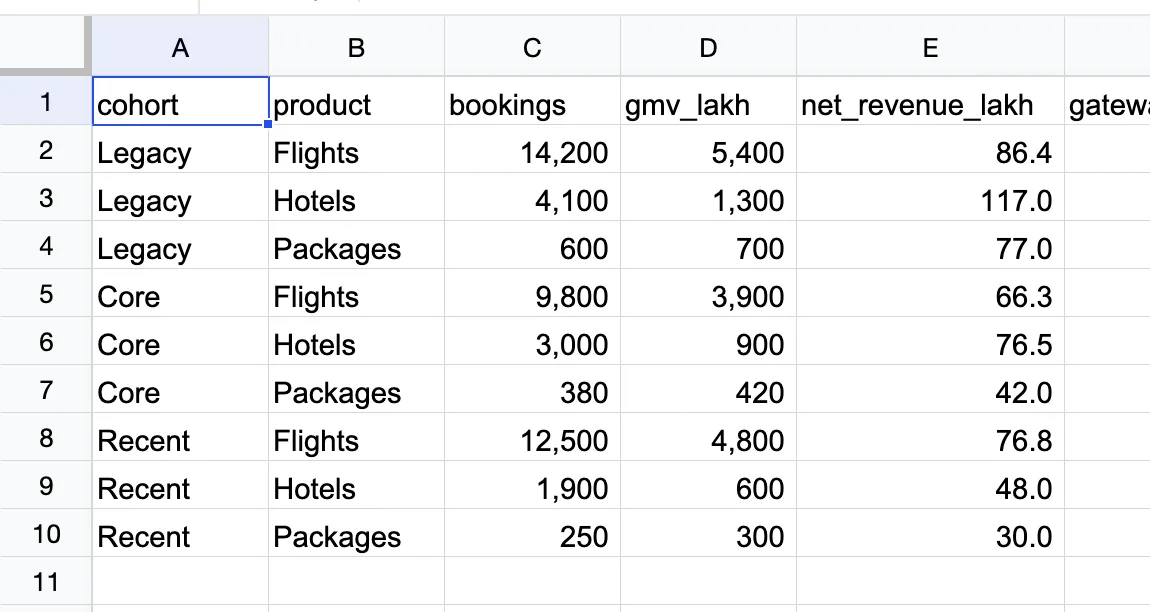
What a strong candidate did: Rebuilt margin after refunds and unpaid amounts, showed which customers and products lose money, and recommended what to change first.
A spreadsheet and a live negotiation with an AI supplier
Renegotiating a three-year supplier agreement
A strategic supplier sends a three-year exclusive proposal to replace the current agreement. The commission is thin, and the terms look better than they are.
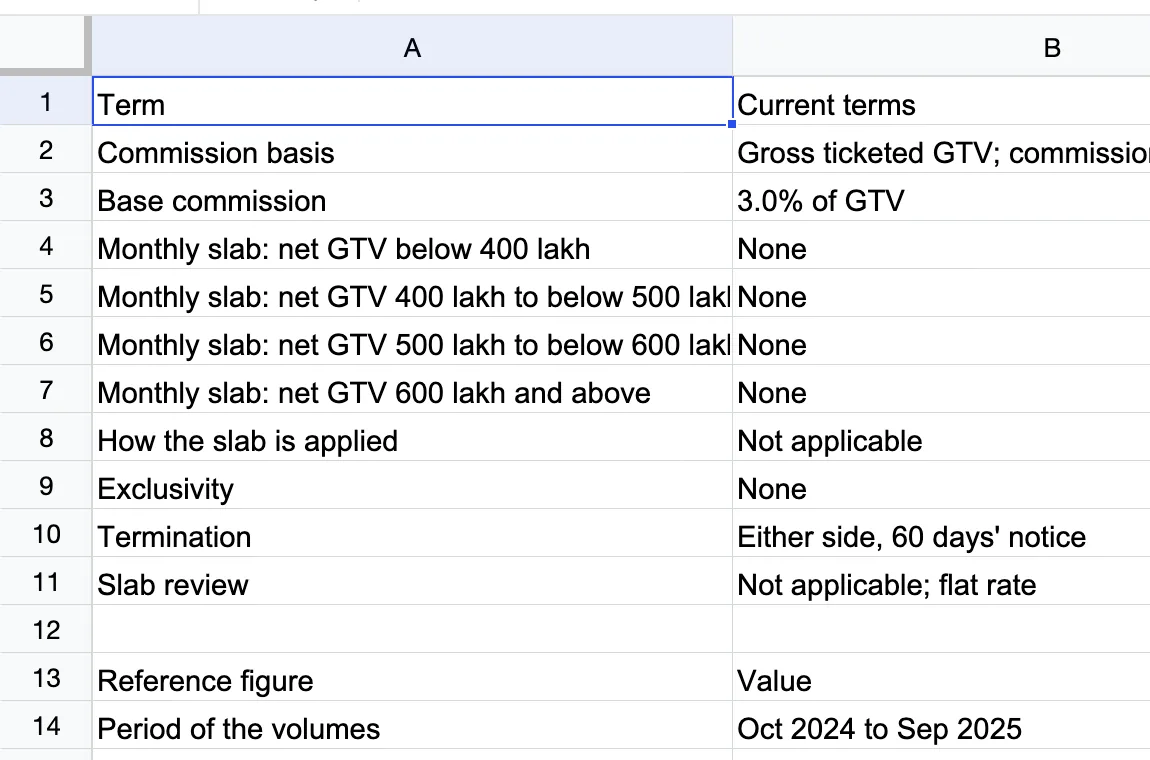
What a strong candidate did: Worked out what the proposal is really worth over three years, negotiated the terms that matter, and kept a way out if volumes fall.
How the decision gets made
With Gateway, each finance manager candidate works on situations from your job description: rebuilding margin after refunds and unpaid amounts in a spreadsheet and writing a decision for the co-founder, and valuing a multi-year supplier proposal before negotiating its terms with an AI supplier. The founder or CFO sees each skill scored with written feedback, opens the spreadsheet and memo read-only, and interviews only candidates who found the real cause and explained it in plain language.
See your next finance manager at work before you meet them
Paste your job description and Gateway writes the assessment in about 5 to 10 minutes. Your team can edit every question before it goes out.
Questions
Can the figures reflect our business model?
Yes. Gateway writes the situations from your job description, so a subscription, distribution or services business gets figures that behave like its own. Your team can edit every number and question.
Does the spreadsheet work like Excel?
Candidates work in a spreadsheet in the browser, and every formula and step opens read-only for your team afterwards, so you see how the candidate built the analysis.
Can we check the candidate's work rather than trust a score?
Every skill comes with a score and written feedback, and the candidate's spreadsheet and memo open in the same tool. Your team can change any score and makes the final decision.
Can we monitor the assessment?
Monitoring is off by default, with four levels from activity only to camera on, and a replay of the test. Gateway never marks anyone as cheating on its own; your team reviews anything unusual.
Should a finance manager candidate do a voice interview first?
Usually a work assessment is the stronger first step for finance roles, because the skill shows in the spreadsheet. If applications are many, an AI voice interview of up to 15 minutes can check close experience, reporting cadence and systems before the assessment link goes out.
Related