Hire an Ansible engineer who keeps a server fleet consistent
An Ansible engineer keeps a fleet of servers configured the same way every time: roles that run idempotently, inventory that reflects reality, secrets kept in Vault, and patching that does not take services down. Ansible is easy to start and hard to do well, so the dependable way to separate candidates is to see each one fix or write real automation before interviews begin.
What the hiring manager needs from an Ansible engineer
Teams hiring an Ansible engineer usually run Linux or Windows servers on premises or as cloud VMs, sometimes network devices too, and configuration has drifted because changes were made by hand during incidents. The manager needs someone who can bring the fleet back to a known state and keep it there.
A playbook that changes something every run
Running the same playbook twice reports changes each time because tasks use shell commands without guards. A good Ansible engineer replaces them with proper modules or adds conditions so a second run reports nothing changed and the team can trust a check mode run.
Monthly patching that causes outages
Patches are applied to all web servers at once and the site goes down. The engineer uses serial batches, drains each host from the load balancer, checks health before moving on, and stops the run if a batch fails.
Inventory nobody trusts
A static hosts file lists servers that no longer exist and misses new ones. The engineer moves to dynamic inventory from the cloud provider or the CMDB, with groups that match how the fleet is actually organised.
Credentials in plain text
Passwords and keys sit in group variables in the repository. The engineer encrypts them with Ansible Vault or pulls them from a secrets manager at run time, and makes sure they never appear in task output.
Where hiring an Ansible engineer usually goes wrong
- Accepting playbooks that only work once
- Many candidates have written playbooks that set up a server from scratch. Whether those playbooks are safe to run again on a live fleet is the real test, and a resume cannot show it.
- Testing YAML syntax instead of operations
- Questions about module names or variable precedence check memory. The costly mistakes happen in how the candidate rolls a change across a fleet and recovers when part of it fails.
- Overlooking the Windows or network side
- If your fleet includes Windows servers or network switches, a candidate who has only automated Linux will struggle with WinRM or network modules. Interviews rarely check that until after the hire.
Real tasks from a Gateway assessment
These come from a Gateway assessment for a DevOps engineer, with the employer’s name taken out. Gateway writes every assessment from your own job description, so the tasks your candidates get are built around your role.
Code, then a written summary
Audit access before a SOC 2 readiness review
Most IAM policies and security groups live in Terraform, but some were created by hand over the years. The engineering manager wants a least-privilege check that can be re-run before every review.
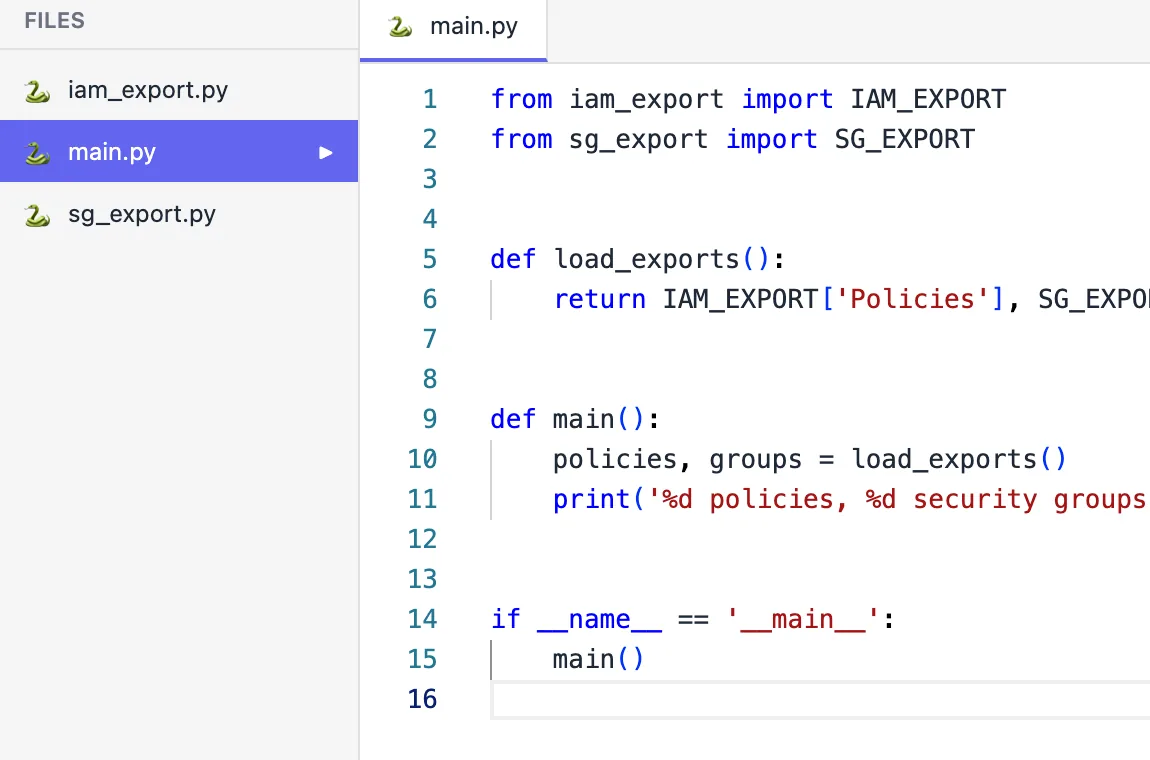
What a strong candidate did: Wrote a check that flags over-broad access and anything not managed in Terraform, ran it on the exports, and ranked what to fix first.
Logs and code, then a written incident note
Post-deploy incident: orders failing and a queue backing up
Right after a deploy, orders start failing and the confirmation queue backs up. The order service and its workers share a single Redis node with a connection limit.
What a strong candidate did: Found that the new version opened far more Redis connections, rolled back first to stop the damage, and set out the fix and the alert that would have caught it.
How the decision gets made
Gateway writes Ansible engineer situations from your job description and candidates work in code and finish with a written summary: scripting a re-runnable check across exported access and configuration, or tracing an incident on a shared service back to a cause and a fix. The operations manager reads each skill's score and written feedback, opens playbooks read-only, and invites only the candidates whose automation is safe to run on your fleet.
See your next Ansible engineer at work before you meet them
Paste your job description and Gateway writes the assessment in about 5 to 10 minutes. Your team can edit every question before it goes out.
Questions
Can candidates write real playbooks and roles in the assessment?
Yes. Candidates work in a code editor in the browser, so tasks can ask for a role, a fix to a non-idempotent playbook or a rolling patch plan, with the reasoning written down.
We use Ansible Automation Platform or AWX. Can the tasks include it?
Yes. Name it in the job description and the situations will include job templates, credentials and inventories as your team uses them. Every task can be edited before it goes out.
Our fleet is mostly on premises. Is that a problem?
No. The tasks follow your job description, whether the servers are in a data centre, in the cloud or both. Candidates need only a laptop or desktop and the link.
Can a task test rolling a change across part of the fleet?
Yes. A task can ask the candidate to plan a configuration change in batches, with health checks and a stop condition, and then explain what happens when one batch fails. That shows judgement a playbook written from scratch never does.
Can the operations manager adjust a score?
Yes. Every skill has a score with written feedback, and your team can change any of them. The hiring manager always makes the final decision.
Related