Hire a CI/CD engineer who makes the pipeline fast and safe to trust
A CI/CD engineer owns the path from a merged change to production: builds that finish quickly, tests that catch real problems without flaking, artifacts promoted unchanged between environments, and deploys that can be rolled back in one step. The tool matters less than the design, so the clear way to compare candidates is to see each one design and fix a real pipeline before interviews.
What the hiring manager needs from a CI/CD engineer
The engineering manager hiring a CI/CD engineer usually has pipelines that grew per team and per tool: some on GitHub Actions, some on GitLab CI, some on an old build server. Builds are slow, flaky tests are rerun until they pass, and production deploys rebuild the code instead of shipping what was tested.
A pipeline developers wait on
A pull request takes too long to get a green check. A strong CI/CD engineer finds where the time goes, caches dependencies, runs independent jobs in parallel, and only builds what changed in a monorepo.
Flaky tests that train people to ignore red
Developers rerun failed builds until they pass. The engineer tracks which tests fail at random, quarantines them with an owner, and restores the rule that a red build means something is wrong.
Deploying something other than what was tested
Each environment rebuilds the image from source, so production can differ from staging. The engineer builds once, signs and tags the artifact, and promotes the same artifact through each environment.
Releases with no safe way back
Deploys replace everything at once and rollback means a new hotfix release. The engineer introduces blue/green or canary releases with health checks, so a bad version is stopped before all users see it.
Where hiring a CI/CD engineer usually goes wrong
- Hiring on one CI tool's name
- A resume that says GitHub Actions or GitLab CI shows familiarity with one syntax. The skills that carry over, caching, artifact promotion, deploy strategy, secrets handling, rarely appear on the page.
- Treating the role as YAML maintenance
- Some teams see CI/CD work as editing config files when builds break. The result is a hire who patches each failure and never changes the design that makes the pipeline slow or unsafe.
- Skipping supply chain and secrets
- Pipelines hold deploy credentials and pull third-party actions or images. Interviews that never ask how the candidate would pin, scope and audit those leave a serious gap in the release path.
Real tasks from a Gateway assessment
These come from a Gateway assessment for a DevOps engineer, with the employer’s name taken out. Gateway writes every assessment from your own job description, so the tasks your candidates get are built around your role.
A design on a whiteboard, then a written note
Design a safe delivery pipeline from GitHub to Kubernetes
Three services each copy their own deploy workflow. The CTO wants one standard pipeline from GitHub Actions to Amazon EKS that all of them use.
What a strong candidate did: Designed one pipeline with the same checks for every service, deploys that can be rolled back in one step, and secrets kept out of the repositories.
Code, then a written summary
Audit access before a SOC 2 readiness review
Most IAM policies and security groups live in Terraform, but some were created by hand over the years. The engineering manager wants a least-privilege check that can be re-run before every review.
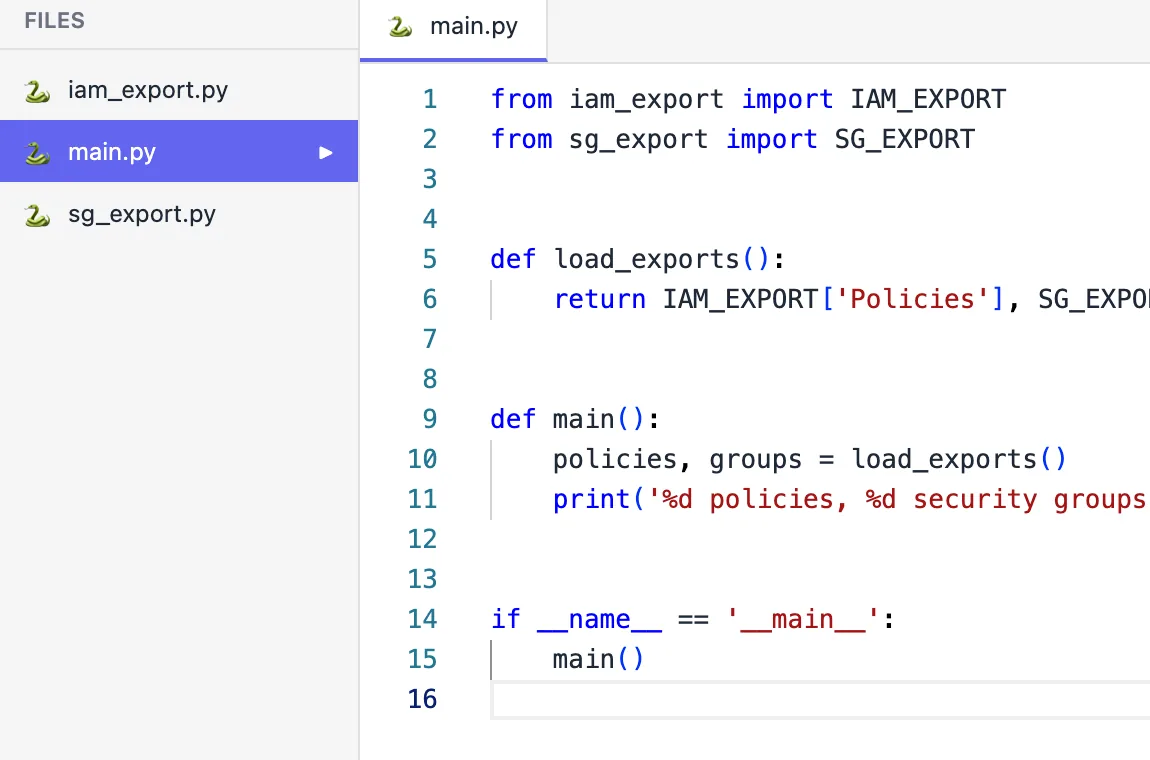
What a strong candidate did: Wrote a check that flags over-broad access and anything not managed in Terraform, ran it on the exports, and ranked what to fix first.
Logs and code, then a written incident note
Post-deploy incident: orders failing and a queue backing up
Right after a deploy, orders start failing and the confirmation queue backs up. The order service and its workers share a single Redis node with a connection limit.
What a strong candidate did: Found that the new version opened far more Redis connections, rolled back first to stop the damage, and set out the fix and the alert that would have caught it.
How the decision gets made
Gateway writes CI/CD engineer situations from your job description, beginning with one standard pipeline from source control to your clusters that every service can share, then an access check that can run before each audit, and a failed release traced to its cause. Candidates work on a whiteboard, in code and in a written note. The engineering manager sees per skill scores with written reasons, opens the design read-only, and spends interviews only on candidates who can build a pipeline your developers will trust.
See your next CI/CD engineer at work before you meet them
Paste your job description and Gateway writes the assessment in about 5 to 10 minutes. Your team can edit every question before it goes out.
Questions
Can the assessment use our CI/CD tools?
Yes. Whether the role uses GitHub Actions, GitLab CI, CircleCI, Argo CD or several of them, the tools named in your job description appear in the tasks. Your team can edit any question.
How is a CI/CD engineer assessed differently from a Jenkins engineer?
The assessment follows your job description. A tool-agnostic CI/CD role gets situations about pipeline design, artifact promotion and release strategy, while a Jenkins role focuses on controllers, agents, plugins and shared libraries.
Will candidates design on a whiteboard or write real pipeline code?
Both, depending on the task. A pipeline design usually starts on a whiteboard and ends in a written note, and a fix to a workflow file is done in the code editor.
Can a task test release strategy as well as build speed?
Yes. A task can ask the candidate to choose between blue/green, canary or a rolling release for a given service, define the health checks that stop a bad version, and explain how rollback works when the database schema has also changed.
What does a candidate need to take part?
A laptop or desktop and one link with a deadline. Each step explains what it involves before the candidate starts it.
Related