Hire a devops engineer who makes every release boring
A devops engineer earns the seat when developers can ship several times a week without fear, a bad release rolls back in minutes, and the person on call can see what broke. Resumes in this field list the same familiar tools, so the dependable way to separate candidates is to watch each one handle a real release or incident before your team spends time on interviews.
What the hiring manager needs from a devops engineer
The engineering manager hiring a devops engineer usually has a release process that depends on one or two people who know the steps, staging that drifts from production, and deploys that the team schedules around. The new hire has to turn that into something any developer can run safely.
A deploy that breaks orders on a Friday
Right after a release, checkout errors climb and a queue backs up. A strong devops engineer rolls back first to stop the damage, then finds the cause in logs and metrics, and adds the alert or check that would have caught it before customers did.
Every service deploys a different way
One service uses a shell script on a build server, another a hand-written workflow, a third is deployed by whoever is around. The devops engineer designs one way to build, test and release that each team can adopt without a rewrite.
Staging that never matches production
Bugs pass staging and appear in production because configuration, data shape and versions differ. The engineer brings both environments from the same definitions and makes configuration differences explicit and reviewed.
Secrets copied into too many places
Database passwords live in environment files, CI variables and a shared document. The engineer moves them to a secrets manager, rotates them, and makes sure the pipeline reads them without printing them into build logs.
Where hiring a devops engineer usually goes wrong
- Hiring on the tool soup
- Docker, Kubernetes, Jenkins, Terraform, Ansible and Prometheus appear on almost every devops resume. The list does not reveal whether the candidate understands why a deploy failed or only knows which button reran it.
- Treating the role as system administration
- Some teams hire a server administrator and call the role devops. The result is a person who keeps machines alive by hand, while the release process stays as fragile as before.
- Never testing incident judgement
- Panels ask devops candidates to describe tools but rarely give them a live failure. The decision that matters most, roll back now or keep investigating, only shows when the candidate faces one.
- Ignoring how the candidate writes
- Runbooks, incident notes and pipeline documentation are a large part of devops work. A candidate who cannot explain a fix in a short written note leaves the team dependent on that one person.
Real tasks from a Gateway assessment
These come from a Gateway assessment for a DevOps engineer, with the employer’s name taken out. Gateway writes every assessment from your own job description, so the tasks your candidates get are built around your role.
A design on a whiteboard, then a written note
Design a safe delivery pipeline from GitHub to Kubernetes
Three services each copy their own deploy workflow. The CTO wants one standard pipeline from GitHub Actions to Amazon EKS that all of them use.
What a strong candidate did: Designed one pipeline with the same checks for every service, deploys that can be rolled back in one step, and secrets kept out of the repositories.
Logs and code, then a written incident note
Post-deploy incident: orders failing and a queue backing up
Right after a deploy, orders start failing and the confirmation queue backs up. The order service and its workers share a single Redis node with a connection limit.
What a strong candidate did: Found that the new version opened far more Redis connections, rolled back first to stop the damage, and set out the fix and the alert that would have caught it.
Code, then a written summary
Audit access before a SOC 2 readiness review
Most IAM policies and security groups live in Terraform, but some were created by hand over the years. The engineering manager wants a least-privilege check that can be re-run before every review.
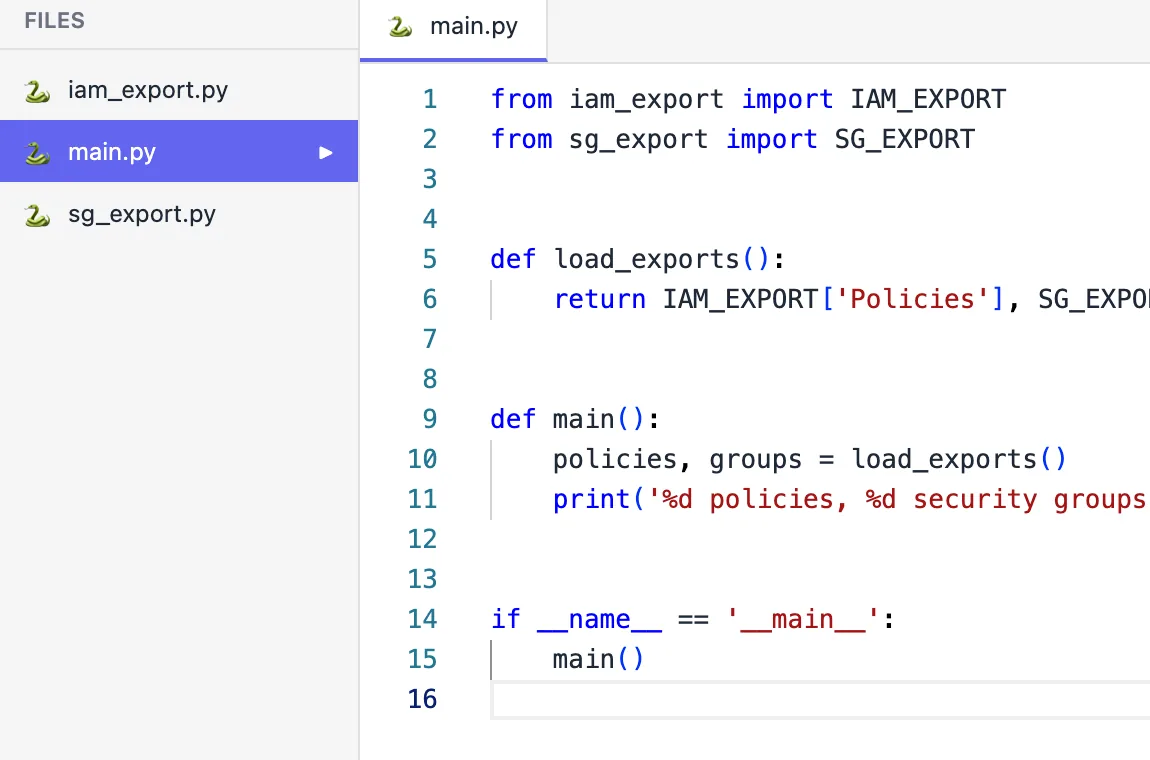
What a strong candidate did: Wrote a check that flags over-broad access and anything not managed in Terraform, ran it on the exports, and ranked what to fix first.
How the decision gets made
With Gateway, devops candidates get situations written from your job description: a delivery pipeline to design on a whiteboard, a post-deploy incident to work through in logs and code, an access check to script. The engineering manager reads scores and written reasons for each skill, sees the candidate's tier and whether it clears your line, and opens the pipeline design or incident note read-only. Your on-call engineers then meet only candidates who already showed the judgement that keeps releases calm.
See your next devops engineer at work before you meet them
Paste your job description and Gateway writes the assessment in about 5 to 10 minutes. Your team can edit every question before it goes out.
Questions
Can the assessment use our stack, such as GitHub Actions, GitLab CI or Argo CD?
Yes. Gateway writes the tasks from your job description, so the tools named in the role appear in the situations. Your team can edit every question before it goes out.
Do candidates get access to a live cluster or our systems?
No. The task provides logs, code and context, and candidates work in a code editor, a whiteboard or a document. Your infrastructure is never exposed.
How quickly can we send the first devops assessment?
Generating it from a job description takes about 5 to 10 minutes. After your team reviews the tasks, each candidate gets one link and a deadline.
Can engineers on the panel overrule a score?
Yes. Any score can be changed by your team, and the final decision always sits with the hiring manager. The scores and feedback are there to save the panel from interviewing people who were never close.
Related