Hire an infrastructure engineer who understands what sits under the cloud
An infrastructure engineer keeps the foundations sound: networks and DNS that route correctly, servers and storage sized for the load, recovery that works when a site or region fails, and all of it described in code. Resumes rarely show depth below the application layer, so the dependable way to separate candidates is to see each one work through a real infrastructure problem before your team holds interviews.
What the hiring manager needs from an infrastructure engineer
Companies hiring an infrastructure engineer often run a mix: cloud accounts, a colocation rack or office network, VPN links between them, and Linux servers that predate the current team. The manager needs someone comfortable at the network and operating system level, who can also bring that estate under version control.
DNS that resolves differently depending on where you ask
Internal names resolve correctly from the office and fail from the cloud VPC, or the reverse. A strong infrastructure engineer traces the resolver chain, finds the missing forwarder or split-horizon zone, and documents how names should resolve everywhere.
A site-to-site VPN that drops under load
The link between the data centre and the cloud fails during nightly batch transfers. The engineer checks MTU, tunnel settings and routing, and decides whether a dedicated interconnect or a change to the transfer is the right fix.
Disaster recovery that has never been tested
A recovery plan exists on paper. The engineer runs a real failover of one system, measures recovery time against what the business expects, and fixes whatever the test reveals.
Resources created by hand over the years
Firewall rules, IAM policies and servers were added manually by several people. The engineer imports them into Terraform, flags what is over-broad or unused, and sets a check that catches new hand-made changes.
Where hiring an infrastructure engineer usually goes wrong
- Assuming cloud experience covers networking
- Many candidates have only used managed load balancers and default VPCs. When a route, an MTU setting or a DNS forwarder is the problem, that gap shows quickly and expensively.
- Hiring for the data centre or the cloud, not both
- A hybrid estate needs someone who understands both sides and the link between them. Interviews that focus on one side miss whether the candidate can reason across the boundary.
- Trusting uptime claims on a resume
- Statements about keeping systems available say nothing about how the candidate would handle a failover that does not go to plan. That only shows when the person works through one.
- Leaving infrastructure as code untested
- Some infrastructure candidates still prefer manual change. If your estate is moving to Terraform or Ansible, an interview that never asks the candidate to write any misses the most important habit.
Real tasks from a Gateway assessment
These come from a Gateway assessment for a DevOps engineer, with the employer’s name taken out. Gateway writes every assessment from your own job description, so the tasks your candidates get are built around your role.
Code, then a written summary
Audit access before a SOC 2 readiness review
Most IAM policies and security groups live in Terraform, but some were created by hand over the years. The engineering manager wants a least-privilege check that can be re-run before every review.
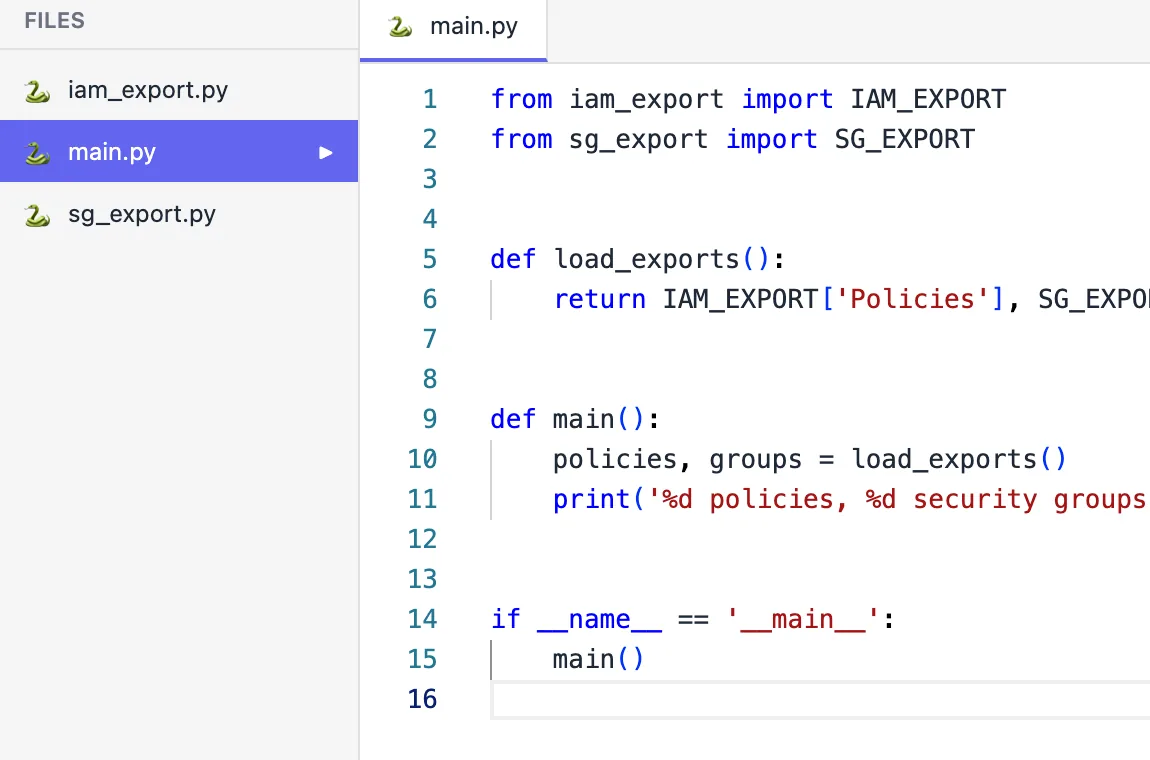
What a strong candidate did: Wrote a check that flags over-broad access and anything not managed in Terraform, ran it on the exports, and ranked what to fix first.
A design on a whiteboard, then a written note
Design a safe delivery pipeline from GitHub to Kubernetes
Three services each copy their own deploy workflow. The CTO wants one standard pipeline from GitHub Actions to Amazon EKS that all of them use.
What a strong candidate did: Designed one pipeline with the same checks for every service, deploys that can be rolled back in one step, and secrets kept out of the repositories.
Logs and code, then a written incident note
Post-deploy incident: orders failing and a queue backing up
Right after a deploy, orders start failing and the confirmation queue backs up. The order service and its workers share a single Redis node with a connection limit.
What a strong candidate did: Found that the new version opened far more Redis connections, rolled back first to stop the damage, and set out the fix and the alert that would have caught it.
How the decision gets made
Gateway sets infrastructure engineer candidates situations drawn from your job description: auditing access and hand-made resources against Terraform, designing a safe delivery path, or tracing an incident through logs to a cause and a written note. The infrastructure manager reads a score and written feedback for each skill and opens the candidate's script or diagram read-only, then invites only those who handled the layer beneath the applications well.
See your next infrastructure engineer at work before you meet them
Paste your job description and Gateway writes the assessment in about 5 to 10 minutes. Your team can edit every question before it goes out.
Questions
Can the assessment cover on-premises networking as well as cloud?
Yes. If the job description mentions a data centre, VPNs, firewalls or Linux fleets, the situations include them. Your team can add specific details, such as the firewall vendor you run, before sending.
Do candidates need to configure real network equipment?
No. Candidates get configurations, logs and diagrams in the task and work in code, on a whiteboard or in a document. Nothing connects to your network.
What does the infrastructure manager see for each candidate?
Each skill is scored with written feedback, the candidate gets a tier from 1 to 5 and a clear yes or no against your line, and the actual work opens read-only. Your team can change any score.
How do we bring in candidates from our ATS?
Add them from an ATS export, a spreadsheet or their resumes. Each candidate receives one link and a deadline, and needs only a laptop or desktop to take part.
Related