Hire a Helm engineer who turns copied charts into one maintainable library
A Helm engineer is worth hiring when your services deploy from charts that are consistent, versioned and readable, values files stay small, and a failed upgrade rolls back cleanly. Helm appears on most Kubernetes resumes, so the practical way to find real depth is to see each candidate restructure or debug actual charts before your team books interviews.
What the hiring manager needs from a Helm engineer
Teams usually look for a Helm engineer after years of copying one chart into every service repository. Each copy drifted, values files grew into long, unreadable overrides, and nobody is sure which chart version runs in which environment. The manager needs someone who can consolidate that without breaking any running release.
Many charts that started as one
Every service has its own copy of the same chart with small differences. A strong Helm engineer builds a shared library chart with sensible defaults, moves services onto it one at a time, and keeps each service's rendered manifests unchanged until a change is intended.
An upgrade stuck in a failed state
A release shows as failed after a hook timed out, and the next helm upgrade refuses to run. The engineer understands release history and hooks well enough to recover without deleting the release and losing its resources.
Secrets sitting in values files
Database passwords are committed in plain text in environment values. The engineer moves them to a secrets store, using the External Secrets Operator, Sealed Secrets or the helm-secrets plugin, and makes the chart read them safely.
Charts rendered by a GitOps tool
Argo CD or Flux renders the charts, so a template error only appears after a merge. The engineer adds chart linting, schema validation for values and rendered diff checks to the pull request so errors are caught before they reach a cluster.
Where hiring a Helm engineer usually goes wrong
- Assuming any Kubernetes engineer knows Helm deeply
- Running helm install with someone else's chart is common. Writing templates with correct scoping, named helpers, conditionals and a values schema is a different and narrower skill.
- Missing how the candidate handles change
- Chart work is mostly about changing shared templates without breaking live releases. A candidate who rewrites everything at once can produce a cleaner chart and a broken production deploy.
- Ignoring chart versioning
- Without versioned charts in a repository or OCI registry, teams cannot tell what changed. Interviews that never ask about versioning and release of charts miss a habit that keeps environments reproducible.
Real tasks from a Gateway assessment
These come from a Gateway assessment for a DevOps engineer, with the employer’s name taken out. Gateway writes every assessment from your own job description, so the tasks your candidates get are built around your role.
A design on a whiteboard, then a written note
Design a safe delivery pipeline from GitHub to Kubernetes
Three services each copy their own deploy workflow. The CTO wants one standard pipeline from GitHub Actions to Amazon EKS that all of them use.
What a strong candidate did: Designed one pipeline with the same checks for every service, deploys that can be rolled back in one step, and secrets kept out of the repositories.
Code, then a written summary
Audit access before a SOC 2 readiness review
Most IAM policies and security groups live in Terraform, but some were created by hand over the years. The engineering manager wants a least-privilege check that can be re-run before every review.
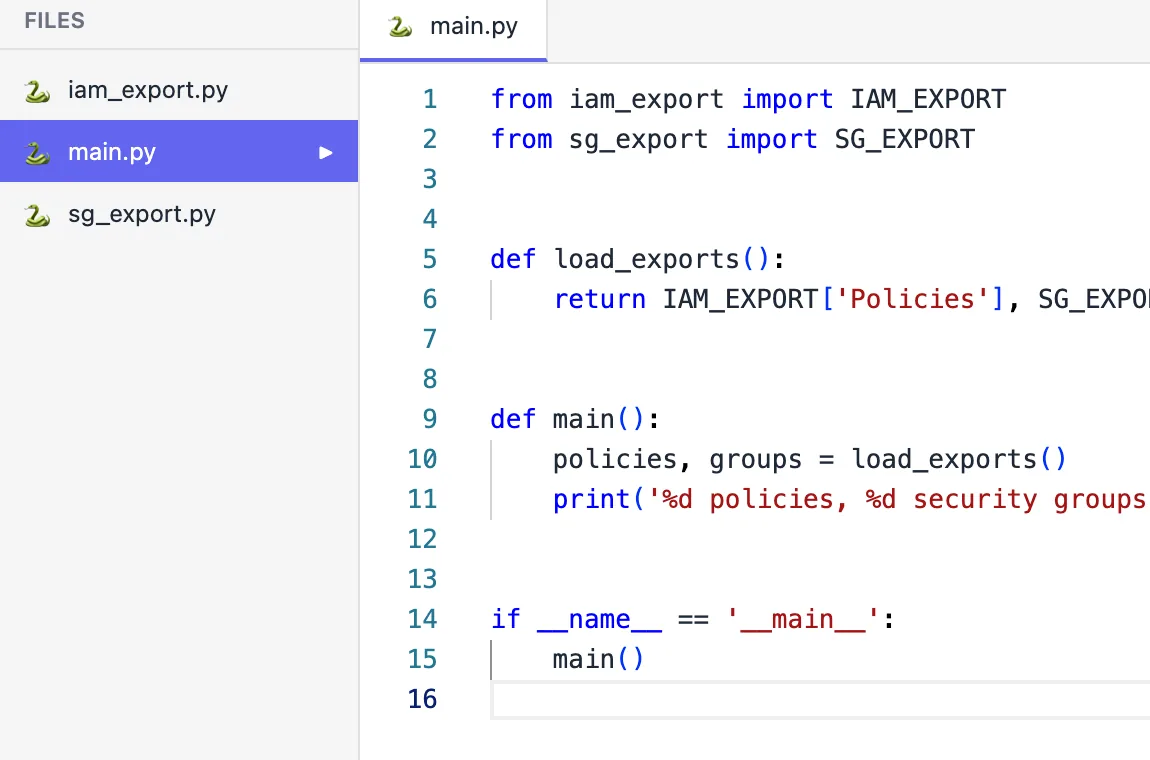
What a strong candidate did: Wrote a check that flags over-broad access and anything not managed in Terraform, ran it on the exports, and ranked what to fix first.
How the decision gets made
Gateway writes Helm engineer situations from your job description, such as designing one shared delivery path from GitHub into Kubernetes for many services, or checking which access and configuration lives outside managed code. Candidates work in code and on a whiteboard and finish with a written note. The engineering lead sees each skill scored with reasons and opens the templates read-only, so interviews go only to candidates whose chart work would hold up on your releases.
See your next Helm engineer at work before you meet them
Paste your job description and Gateway writes the assessment in about 5 to 10 minutes. Your team can edit every question before it goes out.
Questions
Can candidates write real Helm templates in the assessment?
Yes. The code editor handles chart templates and values files, so a task can give a candidate a messy chart and ask for a cleaner version with the reasoning written alongside.
We deploy charts through Argo CD. Can the assessment include that?
Yes. Name Argo CD or Flux in the job description and the situations will include the GitOps side, such as catching rendering errors before a merge.
Is Helm specialised enough to deserve its own assessment?
If the role is centred on charts, yes, because general Kubernetes questions will not show chart design. If Helm is one tool among many, the assessment follows your job description and weighs it accordingly.
Can the assessment check how a candidate handles a failed Helm release?
Yes. A task can give the candidate release history, hook output and the error from a stuck upgrade, then ask for the recovery steps and a written note on how to keep it from happening again. The reasoning is scored alongside the fix.
How long does it take to prepare?
About 5 to 10 minutes to generate from the job description. Your team then reads and edits every task before candidates receive one link each.
Related