Hire an Azure engineer who can run your tenant, not just the portal
An Azure engineer is worth hiring when your subscriptions, identities and hybrid links are organised well enough that a new workload goes live without a permissions fight. Most resumes list the same AZ certifications, so the useful signal is how a candidate handles a real Azure situation from your role before anyone spends time on interviews.
What the hiring manager needs from an Azure engineer
Teams hiring for Azure are often Microsoft shops: Entra ID runs sign-in for the whole company, some servers still sit on premises, and the cloud estate grew subscription by subscription. The manager needs someone who can bring order to that without breaking the identity everyone logs in with.
Role assignments nobody can explain
Contributor has been granted at subscription scope to many individual users and to service principals with expired secrets. A good Azure engineer maps who needs what, moves access to groups and managed identities, and removes the rest without locking out a release pipeline.
A management group and policy structure
Every team created its own subscription and tagging is random. The engineer proposes a management group hierarchy with Azure Policy that enforces regions, tags and allowed SKUs, and rolls it out in audit mode before deny.
On-premises traffic that drops at random
Users on the office network lose connections to an App Service behind a private endpoint. DNS forwarding between on-premises servers and Azure Private DNS zones is the usual suspect, and the person in this seat needs to know how to prove it.
An AKS cluster that falls behind on versions
The cluster runs a Kubernetes version close to the end of support and node pools were never upgraded. The engineer plans the upgrade with surge settings and pod disruption budgets so the workloads keep serving traffic.
Where hiring an Azure engineer usually goes wrong
- Reading AZ-104 as experience
- The administrator exam covers the portal well. It does not show whether a candidate can untangle conditional access, a broken private endpoint or a Bicep deployment that fails on a policy denial.
- Assuming Windows server skills carry over
- Years of Active Directory and Windows Server administration are useful, but Entra ID, managed identities and Azure RBAC work differently. A candidate who treats Azure as a remote data centre tends to build VMs where a managed service would do.
- Interviewing on concepts alone
- Asking what an availability zone is or how a resource group works tells you the candidate read the documentation. The gaps that hurt a Microsoft shop appear when the person has to fix an identity or networking problem under realistic constraints.
Real tasks from a Gateway assessment
These come from a Gateway assessment for a DevOps engineer, with the employer’s name taken out. Gateway writes every assessment from your own job description, so the tasks your candidates get are built around your role.
Logs and code, then a written incident note
Post-deploy incident: orders failing and a queue backing up
Right after a deploy, orders start failing and the confirmation queue backs up. The order service and its workers share a single Redis node with a connection limit.
What a strong candidate did: Found that the new version opened far more Redis connections, rolled back first to stop the damage, and set out the fix and the alert that would have caught it.
Code, then a written summary
Audit access before a SOC 2 readiness review
Most IAM policies and security groups live in Terraform, but some were created by hand over the years. The engineering manager wants a least-privilege check that can be re-run before every review.
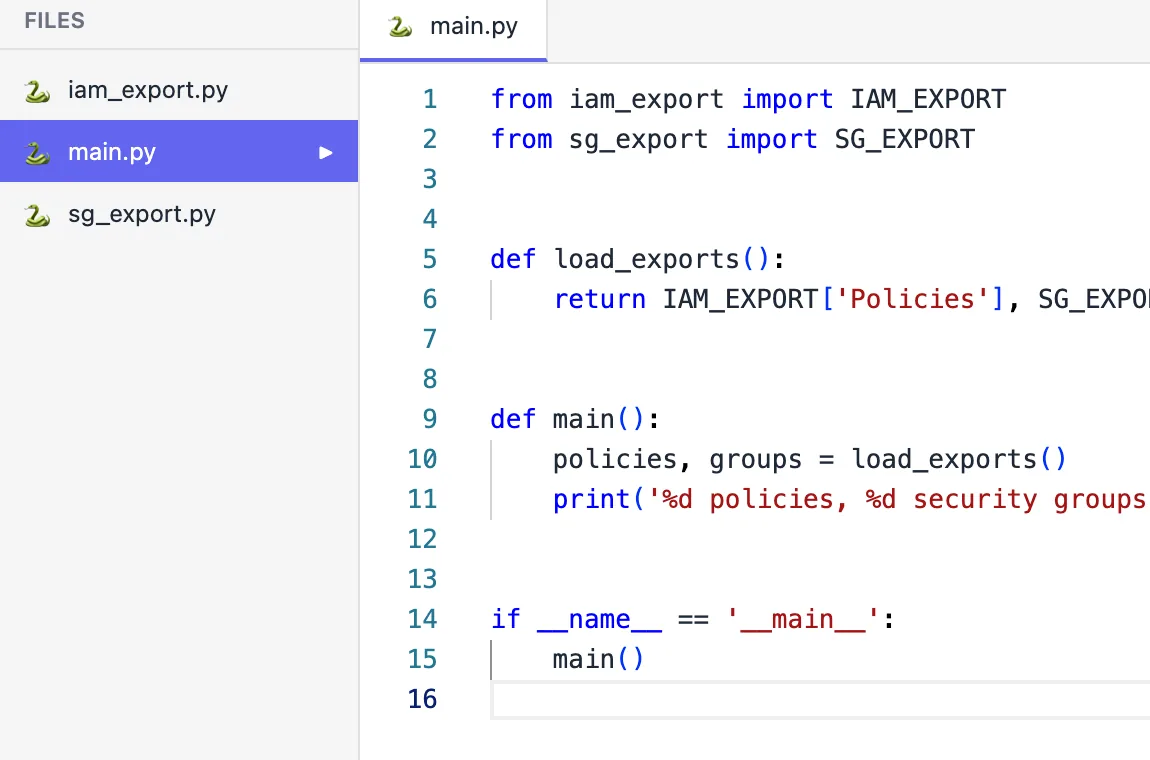
What a strong candidate did: Wrote a check that flags over-broad access and anything not managed in Terraform, ran it on the exports, and ranked what to fix first.
How the decision gets made
Gateway writes each Azure candidate a set of situations from your job description, for example a messy RBAC export, a DNS path between office and Azure, or a cluster upgrade plan, to work through in code, a whiteboard or a written note. The hiring manager reviews per skill scores with written reasons and can open any candidate's Bicep, script or diagram read-only. Only those whose Azure work holds up are invited to talk to your team.
See your next Azure engineer at work before you meet them
Paste your job description and Gateway writes the assessment in about 5 to 10 minutes. Your team can edit every question before it goes out.
Questions
Can the assessment cover Bicep, ARM templates or Terraform on Azure?
Yes. Whatever your job description names becomes part of the tasks. If your team writes Bicep, candidates write Bicep; if you use Terraform with the AzureRM provider, the task says so. You can edit any question first.
We are hybrid with on-premises Active Directory. Can that be tested?
Yes. Describe the hybrid setup in the job description and the situations will include it, such as sync problems between on-premises AD and Entra ID or DNS between the office and Azure.
How long does an Azure assessment take to create?
About 5 to 10 minutes from the job description, plus whatever time your team wants to spend reviewing and editing the tasks before sending.
Can our cloud lead see exactly what a candidate did?
Yes. Every candidate's work opens read-only in the same tool the candidate used, next to the score and feedback for each skill. Your lead can change any score.
Related