Hire a platform engineer whose platform developers actually choose to use
A platform engineer builds the internal platform that product teams ship on: templates, pipelines, environments and guardrails offered as self-service, with developers treated as the customers. The difference between candidates shows in design choices and adoption thinking, so the reliable way to compare them is to see each one design a piece of your platform before interviews take up your senior engineers' time.
What the hiring manager needs from a platform engineer
The head of engineering hiring a platform engineer usually has a growing number of product teams, each solving deployment, observability and environments in its own way, and a small infrastructure group answering the same tickets over and over. The new hire has to turn that support load into a product developers pick up on their own.
A golden path for new services
Starting a new service takes a week of copying another repository and asking around. A strong platform engineer builds a template that gives a service its pipeline, monitoring, secrets and deploy target on day one, and keeps it maintained as standards change.
Teams that will not migrate
The new deploy platform exists, but most teams stay on their old scripts. The platform engineer finds out why, by talking to those teams and reading their pipelines, and removes the reasons instead of mandating the switch.
Guardrails without a ticket queue
Security wants every service to meet access and image scanning rules. The platform engineer builds those checks into the shared pipeline and templates, so teams comply by default and only exceptions need a person.
A developer portal nobody updates
A service catalogue was set up in Backstage and went stale within months. The engineer ties ownership and documentation to the code and the pipelines so the catalogue stays accurate without manual upkeep.
Where hiring a platform engineer usually goes wrong
- Hiring a Kubernetes expert and calling it platform
- Deep cluster knowledge helps, but a platform engineer's output is a product for other engineers. A candidate who has never thought about onboarding, documentation or migration paths builds clusters that teams avoid.
- Measuring the platform by its features
- Candidates often describe platforms by what they included. The useful question is what changed for the product teams that used it, and whether the candidate can talk about that at all.
- No test of design trade-offs
- A platform engineer decides how much to standardise and where to let teams diverge. Interviews built on tool trivia never show whether the candidate makes that call sensibly for a team of your size.
Real tasks from a Gateway assessment
These come from a Gateway assessment for a DevOps engineer, with the employer’s name taken out. Gateway writes every assessment from your own job description, so the tasks your candidates get are built around your role.
A design on a whiteboard, then a written note
Design a safe delivery pipeline from GitHub to Kubernetes
Three services each copy their own deploy workflow. The CTO wants one standard pipeline from GitHub Actions to Amazon EKS that all of them use.
What a strong candidate did: Designed one pipeline with the same checks for every service, deploys that can be rolled back in one step, and secrets kept out of the repositories.
Code, then a written summary
Audit access before a SOC 2 readiness review
Most IAM policies and security groups live in Terraform, but some were created by hand over the years. The engineering manager wants a least-privilege check that can be re-run before every review.
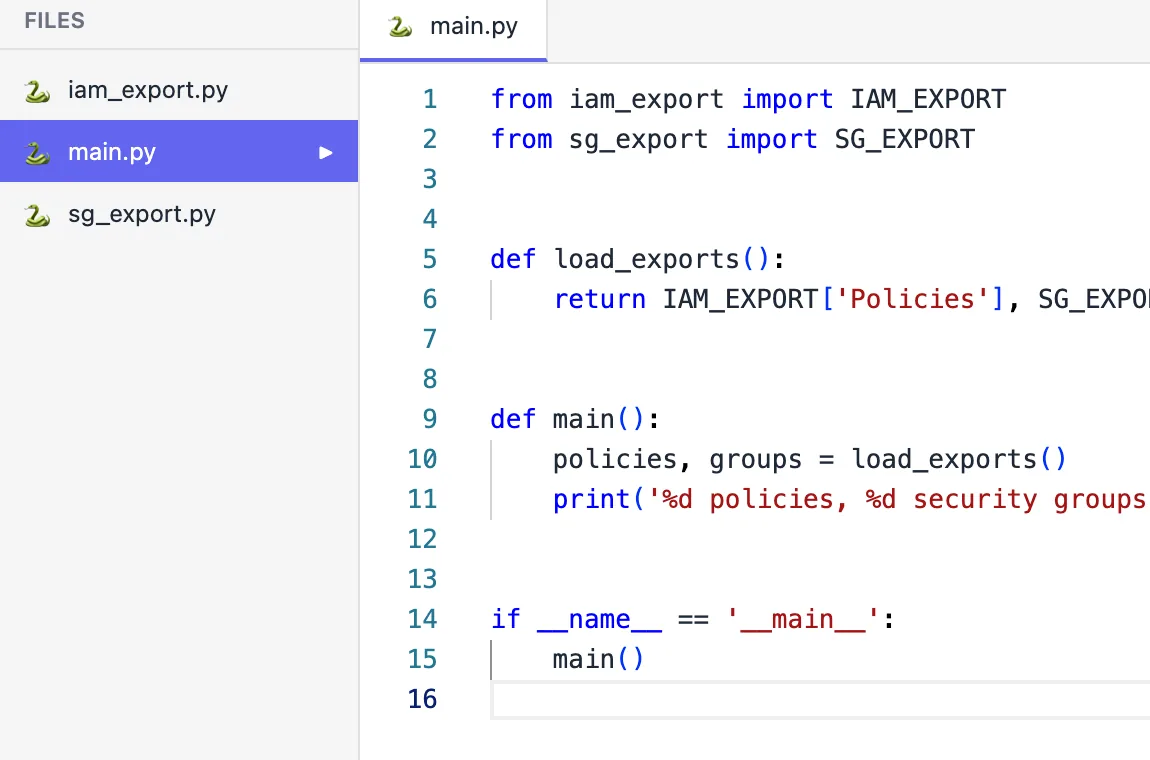
What a strong candidate did: Wrote a check that flags over-broad access and anything not managed in Terraform, ran it on the exports, and ranked what to fix first.
How the decision gets made
Gateway writes platform engineer situations from your job description, such as designing one standard pipeline into Kubernetes that every service can share, or building a re-runnable access check into the platform, worked on a whiteboard, in code and in a written note. The head of engineering sees each skill scored with reasons and opens the candidate's design read-only. Your senior engineers then interview candidates who have already shown they think about the developers using the platform.
See your next platform engineer at work before you meet them
Paste your job description and Gateway writes the assessment in about 5 to 10 minutes. Your team can edit every question before it goes out.
Questions
Can the assessment reflect our internal platform, such as Backstage or Argo CD?
Yes. The tasks come from your job description, so the platform pieces it names become part of the situations. Your team can edit or remove anything before it goes out.
How does the assessment show whether a candidate thinks about developer experience?
The written parts of each task ask the candidate to explain the design to the teams who will use it. That explanation is scored as its own skill with feedback, separate from the technical design.
Can several reviewers look at the same design?
Yes. Any candidate's work opens read-only in the tool the candidate used, and results can be shared with the hiring manager with a note. Reviewers can adjust scores, and the hiring manager decides.
Can we hire a platform engineer who will be the first on a new platform team?
Yes. Say so in the job description and the situations will reflect it, for example choosing what to standardise first, which teams to start with and how to measure whether developers adopt the platform.
How long does it take to set up?
About 5 to 10 minutes to generate the assessment from a job description, then as much review time as your team wants before the links go out.
Related