Hire a Kubernetes engineer who can keep production clusters healthy
A Kubernetes engineer keeps clusters upgraded, workloads scheduled sensibly, networking and RBAC locked down, and failures explainable. Candidates who passed the CKA and candidates who have run production clusters look alike on paper, so the dependable way to separate them is to watch each one debug and design real cluster work before your platform team runs interviews.
What the hiring manager needs from a Kubernetes engineer
The platform or infrastructure lead hiring a Kubernetes engineer usually runs EKS, AKS, GKE or self-managed clusters carrying production traffic, with requests and limits copied from examples and upgrades put off because nobody is confident about them. The person in this seat needs to make the clusters predictable.
Pods restarting with OOMKilled and CrashLoopBackOff
A service restarts under load and the team keeps raising memory limits. A strong Kubernetes engineer reads the events and metrics, sets requests and limits from real usage, and finds whether the cause is the application, a sidecar or a missing readiness probe.
A cluster version that is about to lose support
The control plane is behind and several manifests use APIs removed in the next version. The engineer finds the deprecated APIs, plans node pool upgrades with pod disruption budgets, and upgrades without dropping traffic.
Everything can talk to everything
No network policies exist, and service accounts in every namespace can read secrets. The engineer introduces default-deny policies and scoped RBAC in stages, testing each so nothing in production loses a connection it needs.
Autoscaling that reacts too late
Traffic spikes arrive before new nodes do, and pods sit in Pending. The engineer tunes the horizontal pod autoscaler, the cluster autoscaler or Karpenter, and pod priorities so critical services get capacity first.
Where hiring a Kubernetes engineer usually goes wrong
- Hiring on the CKA alone
- The CKA shows the candidate can use kubectl under time pressure. It does not show judgement about requests, disruption budgets or how to upgrade a cluster carrying real customers.
- Asking for definitions of objects
- Explaining the difference between a Deployment and a StatefulSet is easy to rehearse. The expensive mistakes happen when a candidate chooses between them for a real workload or misconfigures a probe.
- Hiring someone who has only used a managed console
- Some candidates have deployed to clusters others ran. If your role owns the clusters themselves, a resume with Kubernetes on it may not include a single upgrade, network policy or node pool change.
- Forgetting the delivery side
- A Kubernetes engineer often owns how workloads arrive in the cluster too. Interviews that ignore pipelines and rollbacks miss half of the daily work.
Real tasks from a Gateway assessment
These come from a Gateway assessment for a DevOps engineer, with the employer’s name taken out. Gateway writes every assessment from your own job description, so the tasks your candidates get are built around your role.
Logs and code, then a written incident note
Post-deploy incident: orders failing and a queue backing up
Right after a deploy, orders start failing and the confirmation queue backs up. The order service and its workers share a single Redis node with a connection limit.
What a strong candidate did: Found that the new version opened far more Redis connections, rolled back first to stop the damage, and set out the fix and the alert that would have caught it.
Code, then a written summary
Audit access before a SOC 2 readiness review
Most IAM policies and security groups live in Terraform, but some were created by hand over the years. The engineering manager wants a least-privilege check that can be re-run before every review.
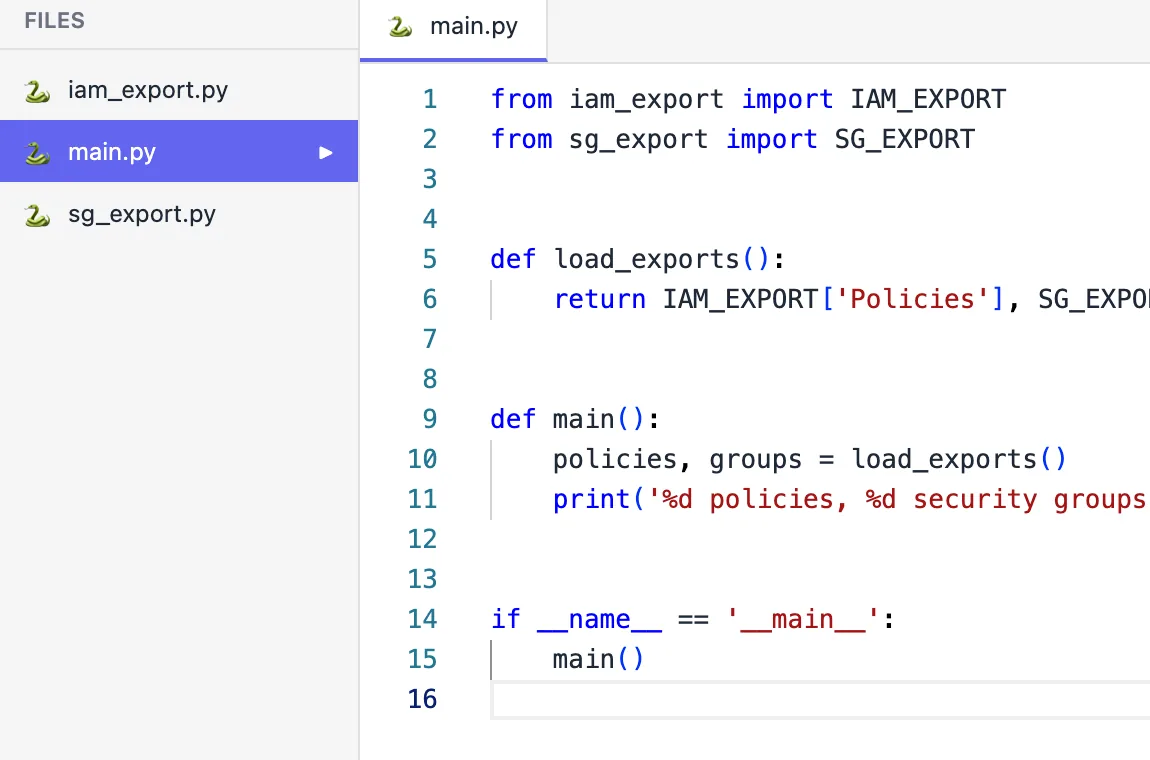
What a strong candidate did: Wrote a check that flags over-broad access and anything not managed in Terraform, ran it on the exports, and ranked what to fix first.
How the decision gets made
Gateway writes Kubernetes engineer situations from your job description and candidates work in code, logs and on a whiteboard: a failing release with pods and a shared dependency under strain, a standard delivery pipeline into the cluster, an audit of over-broad access. The platform lead reads per skill scores with written reasons, opens manifests and notes read-only, and decides who has earned a conversation with the team that runs the clusters.
See your next Kubernetes engineer at work before you meet them
Paste your job description and Gateway writes the assessment in about 5 to 10 minutes. Your team can edit every question before it goes out.
Questions
Can the assessment be based on EKS, AKS or GKE specifically?
Yes. The situations follow your job description, so the managed service, add-ons and tools you use, such as Karpenter, Argo CD or Istio, can all appear. Your team edits any task before it goes out.
Do candidates get a live cluster?
No. Candidates work from manifests, events, logs and diagrams provided in the task, writing code or a design and explaining it. That keeps the focus on reasoning rather than on environment setup.
How is the work scored?
Each skill gets a score and written feedback, the candidate gets a tier from 1 to 5, and you see whether the candidate meets your line. Your engineers can change any score after reading the work.
Can we check that a candidate did the work alone?
Turn on monitoring, at one of four levels from activity only to camera on, and review the replay. It is off unless you choose it, and Gateway never marks anyone as cheating; your team judges anything unusual.
Related