Hire a network engineer who finds the fault before users call
A network engineer keeps sites, firewalls, wireless and cloud connections up and secure, and plans changes so that nobody notices them happen. Vendor certifications look similar across applicants, so the clearest way to choose is to see how each candidate reasons through a real outage or capacity problem before your team schedules interviews.
What the hiring manager needs from a network engineer
The infrastructure or IT manager hiring a network engineer is usually tired of hearing that the network is slow with nothing to back it up. That manager needs someone who measures, finds the real cause, and makes changes inside a maintenance window with a way back.
A site goes dark
A branch office loses its WAN link in the same week a host in the data centre fails. The engineer works out what depends on what, the order to restore links and services, and whether the recovery targets the business set can be met.
Complaints that cluster on one site or one time of day
Users at one office say calls drop every afternoon. The engineer pulls the monitoring and ticket data, sees the pattern, and finds whether it is bandwidth, a duplex mismatch, wireless interference or a QoS rule.
A firewall rule base nobody trusts
Years of rules allow traffic that no one can explain. Before an audit, the engineer reviews them against what each team really needs, removes dead rules in stages, and documents what stays.
Connecting the offices to the cloud
Workloads are moving to a public cloud and need site-to-site VPN or a dedicated link, plus routing that does not break existing paths. The engineer designs it, plans the change window and rollback, and tests failover.
Where hiring a network engineer usually goes wrong
- Hiring the certification ladder
- CCNA, CCNP and similar credentials show study of routing and switching. They do not show whether the candidate can read a packet capture under pressure or plan a change that fails safely.
- Interviews that recite the OSI model
- Asking for the layers or for port numbers rewards memory. A network engineer earns a place through the order of questions asked when something breaks, and that is visible only in real troubleshooting.
- Ignoring change discipline
- An engineer who changes routers live without a plan will eventually take down a site in business hours. The habit shows in how the candidate writes a change plan, not in an interview answer.
- Treating security as another team's problem
- Firewall policy, segmentation and remote access are network work now. A candidate who leaves them to someone else creates gaps an auditor will find.
Real tasks from a Gateway assessment
These come from a Gateway assessment for an IT manager, with the employer’s name taken out. Gateway writes every assessment from your own job description, so the tasks your candidates get are built around your role.
A recovery plan on a whiteboard, then a note
Host loss: recovery order and restore evidence
The CTO asks whether the office would meet its recovery targets if one virtual-machine host died, and what auditors would accept as proof.
What a strong candidate did: Set the order in which systems come back and why, checked it against the recovery targets, and named the evidence to collect from a real restore test.
A spreadsheet, then a short note
Late-shift SLA breaches in the support queue
The office head asks one question: are we meeting the 95% SLA target this month, and if not, why? The support team is four people across two shifts.
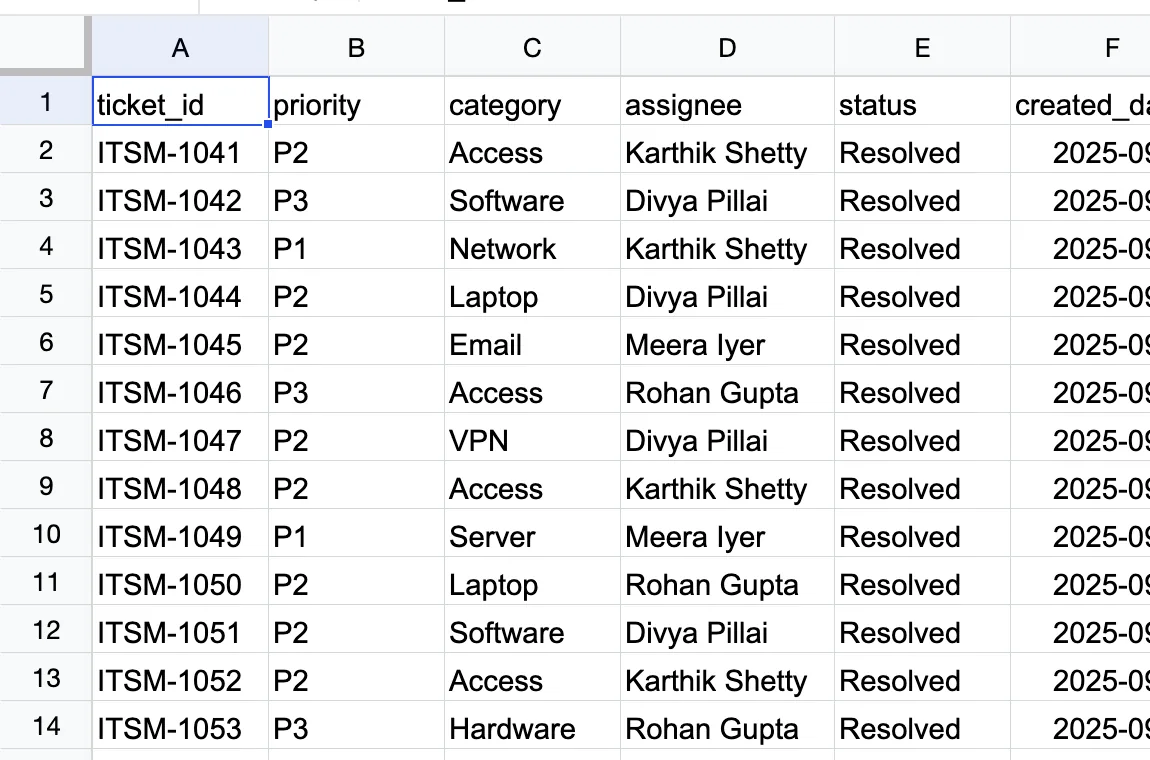
What a strong candidate did: Answered yes or no with the number, showed the misses were concentrated on one shift and one ticket type, and proposed a change that fixes it without adding a person.
How the decision gets made
With Gateway, network engineer candidates work through situations from your job description: a host and link failure that needs a recovery order and proof for auditors, and a question about missed service targets that has to be answered from ticket data. They plan on a whiteboard, work in a spreadsheet and write short notes for the people who asked. The infrastructure manager sees each skill scored with written feedback, opens every plan read-only, and interviews only engineers who found the real cause.
See your next network engineer at work before you meet them
Paste your job description and Gateway writes the assessment in about 5 to 10 minutes. Your team can edit every question before it goes out.
Questions
Can the assessment follow our vendors, such as Cisco, Juniper or Fortinet?
Yes. Gateway writes the situations from your job description, so the vendors, protocols and topology it names shape the tasks. Your team can change any question before sending.
Can it test troubleshooting rather than design?
Yes. A task can hand the candidate symptoms and data and ask for the cause and the fix, which quickly separates engineers who memorised material from engineers who have chased real faults.
Do candidates need lab equipment?
No. A laptop or desktop and one link are enough. The tasks set out the network situation and ask for the reasoning, the plan and the note.
We hire for night and weekend cover. Can candidates take it outside office hours?
Each candidate gets one link and a deadline and can do the work any time before it. You see who meets your line as results come in.
Can our security lead review the firewall answers?
Yes. Share the results with a hiring manager or another reviewer along with a note, and the reviewer opens each answer read-only.
Related