Hire a program manager who keeps several projects pulling toward one result
A program manager is worth hiring when a group of related projects delivers the business outcome the programme was funded for, even as individual projects slip, compete for people and change scope. Senior resumes all describe large budgets and steering committees, so the way to tell program managers apart is to see each one make real cross-project trade-offs before anyone sits through a panel.
What the hiring manager needs from a program manager
A program manager is usually hired by a director or transformation lead who owns an outcome bigger than any single project: a new market launch, a platform migration, a regulatory deadline. Several project managers already exist. What the director lacks is someone who sees the whole set, manages the dependencies between projects and decides where limited people and money go.
Two projects need the same specialists
The data migration and the new billing system both need the same small integration team next month. A good program manager looks at which delay costs the programme outcome more, allocates accordingly, and states plainly which hires or contractors are still needed.
A dependency nobody owns
Project A assumes Project B delivers an API by spring; Project B never agreed to that date. The program manager surfaces these hidden handoffs in a dependency map, gets each one owned, and re-sequences work before the gap becomes a missed launch.
Steering committee wants a single answer
Each project reports its own status in its own format. The program manager rolls them into one view of benefits, risks and decisions needed, so the steering committee spends its hour deciding instead of decoding.
The business case changes halfway
A market shift makes one workstream far less valuable. The program manager recommends stopping or shrinking it, with what is saved and what is lost, rather than letting it run because it was in the original plan.
Where hiring a program manager usually goes wrong
- Hiring a senior project manager by another name
- Many candidates have run one large project well. The program manager role is different: it is about trade-offs between projects and about benefits, and a strong single-project manager can drown in detail when given five.
- Being impressed by programme size
- Large budgets and headcounts on a resume describe the organisation the candidate sat in. They do not say whether the candidate made the hard allocation calls or relayed them from a portfolio office.
- Assessing only presence in the room
- Panels for senior roles often judge gravitas. Program managers also have to build the resource plan and the dependency view themselves, and many polished candidates have always had an analyst do it.
Real tasks from a Gateway assessment
These come from a Gateway assessment for a project and delivery manager, with the employer’s name taken out. Gateway writes every assessment from your own job description, so the tasks your candidates get are built around your role.
A spreadsheet, then a short note
Match available people to open project demand
The delivery head wants a proposed allocation for every open staffing request, so that only the hires that are really needed get opened. One request is urgent on a customer-committed project.
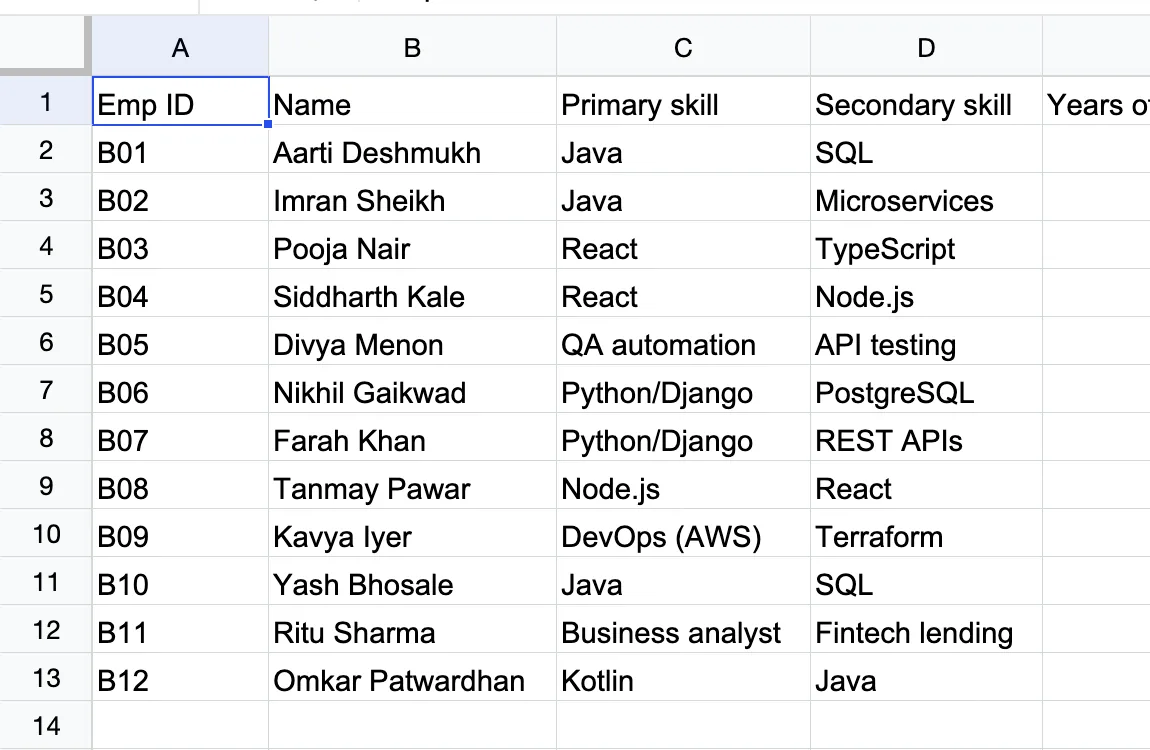
What a strong candidate did: Filled the urgent request first, matched people on the skills that matter rather than titles, and showed exactly which requests still need a hire.
A plan, then a recorded brief to the team
Re-plan a bid when the deadline moves
A public-sector client has moved the deadline on a three-year service bid. The bid team is spread across other work.
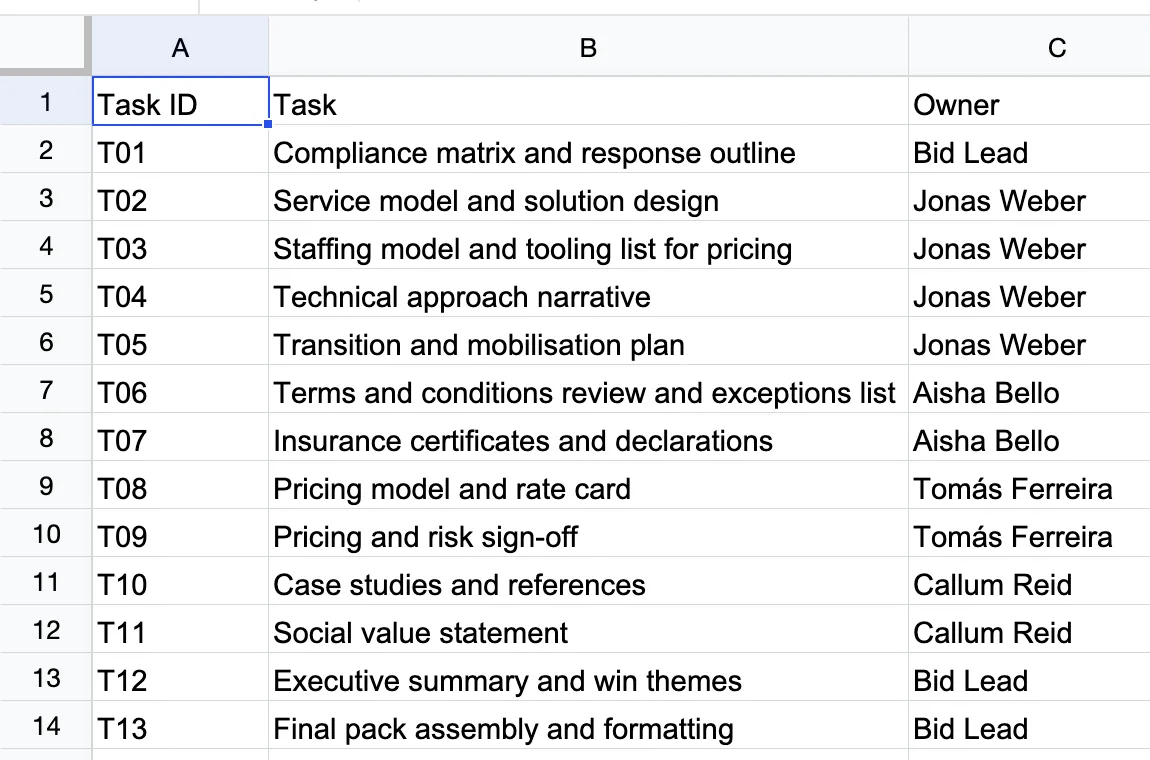
What a strong candidate did: Rebuilt the plan around the new date, protected the parts that decide the score, and briefed each person on exactly what they owe and when.
A spreadsheet, then a note for finance
Check a vendor invoice before it goes to finance
A contract-staffing vendor’s monthly invoice has arrived. Finance will not pay until it is checked against the rate card and the deployment record.
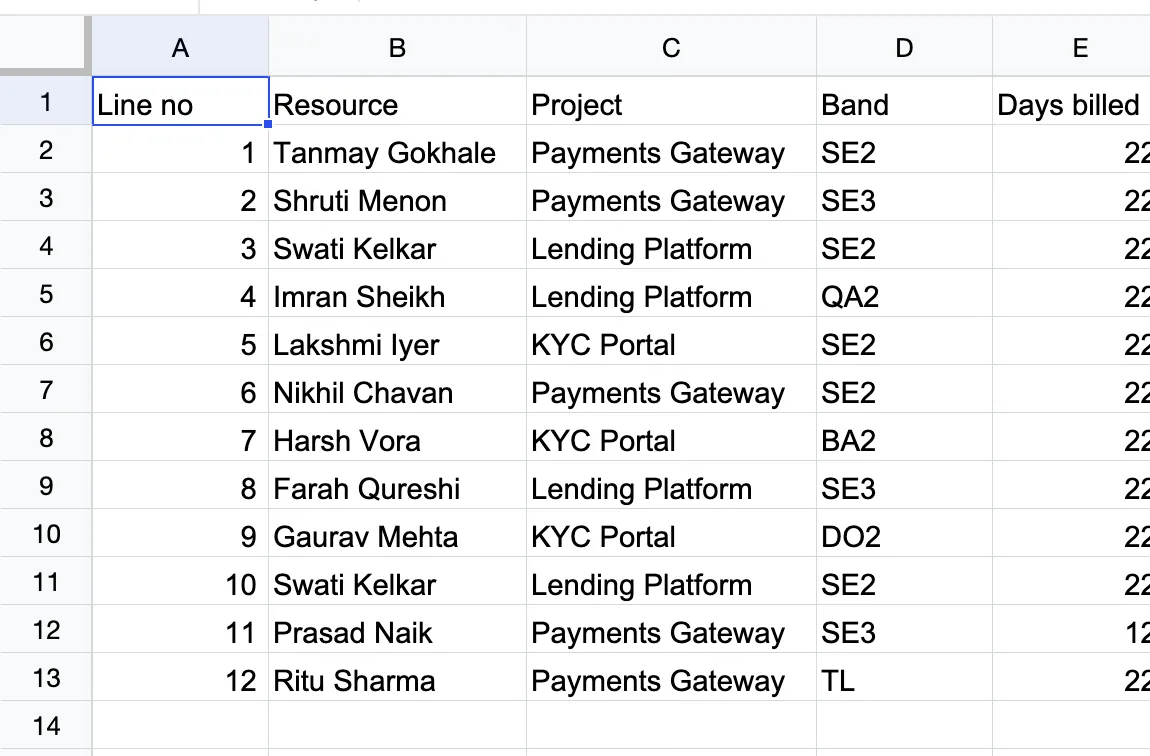
What a strong candidate did: Found the lines that did not match the rate card or the records, worked out the correct amount, and wrote a note finance could act on without a call.
How the decision gets made
With Gateway, program manager candidates take on situations written from your job description: allocating scarce people across competing project requests in a spreadsheet, re-planning when a key date moves and briefing the team leads on a recording, or checking spend against contracts. The hiring manager sees each skill scored with written feedback and opens every plan and spreadsheet read-only. Because the role is senior, many teams add a continuous async video round where the director, a finance partner and a project lead each record questions once, candidates answer before a deadline, and the panel votes and leaves notes before the director decides whom to meet.
See your next program manager at work before you meet them
Paste your job description and Gateway writes the assessment in about 5 to 10 minutes. Your team can edit every question before it goes out.
Questions
Is a work assessment suitable for a senior program manager?
Yes, when the situations are the decisions the role really makes. Gateway writes them from your job description, and your team can edit each one so it matches the scale and type of programme you run.
Can several senior people review candidates without scheduling panels?
Async video interviews let the recruiter, hiring manager and panel record their questions on video once. Candidates answer on a phone or computer before a deadline, every answer is written out and scored, and panel members vote and leave notes.
Will the assessment show how the candidate handles resource conflicts?
A resource allocation task gives the program manager more demand than people and an urgent customer commitment. You see the allocation in the spreadsheet and the reasoning in the note beside it.
Who decides in the end?
The hiring manager. Gateway scores each skill with written feedback and a tier from 1 to 5, and your team can change any score before deciding.
Related