Hire a scrum master who makes the team faster, with fewer meetings
A scrum master is worth hiring when the team it serves delivers what it commits to more often, raises blockers early, and spends less time in ceremonies that achieve nothing. Almost every applicant holds a CSM or PSM and can recite the Scrum Guide, so the way to tell scrum masters apart is to see how each one handles real sprint problems before the interview round.
What the hiring manager needs from a scrum master
The engineering manager or delivery lead hiring a scrum master usually has a team that does Scrum on paper: stand-ups, planning, retros, and yet sprints still miss and the same problems come back. The scrum master has to find what is actually slowing the team, get it removed, and leave the team able to run its own events.
Sprints that keep ending with half the work open
Every sprint finishes with carry-over. A good scrum master looks at what was pulled in, how much was unplanned, and where stories sat waiting, and changes something specific, such as smaller stories or limiting work started, instead of asking for better estimates.
An impediment outside the team
Releases wait for a shared environment another team controls. The scrum master takes the blocker to the people who own it, keeps it visible, and gets an agreed fix, so developers stop losing days waiting.
Retrospectives that repeat
The same complaints appear in every retro and nothing changes. The scrum master varies the format, gets the team to commit to one action, and checks at the next retro whether that action happened.
Velocity used as a target
Management compares velocity between teams and asks for higher numbers. The scrum master explains, in terms a director accepts, why that inflates estimates, and offers measures that reflect delivery instead.
Where hiring a scrum master usually goes wrong
- Hiring the certificate
- A two-day course produces the CSM. It confirms the candidate knows the events and roles, and says nothing about whether the candidate can get a director to stop pushing work into a running sprint.
- Mistaking a meeting scheduler for a scrum master
- Some candidates describe the role as running ceremonies and updating the board. A team does not need a person for that; it needs one who changes how the team works when the board shows a problem.
- Quizzing on the Scrum Guide
- Asking how long a sprint review should take tests memory. The real question is what the candidate does when the product owner skips refinement, and only a realistic situation reveals the answer.
Real tasks from a Gateway assessment
These come from a Gateway assessment for a project and delivery manager, with the employer’s name taken out. Gateway writes every assessment from your own job description, so the tasks your candidates get are built around your role.
A plan, then a recorded brief to the team
Re-plan a bid when the deadline moves
A public-sector client has moved the deadline on a three-year service bid. The bid team is spread across other work.
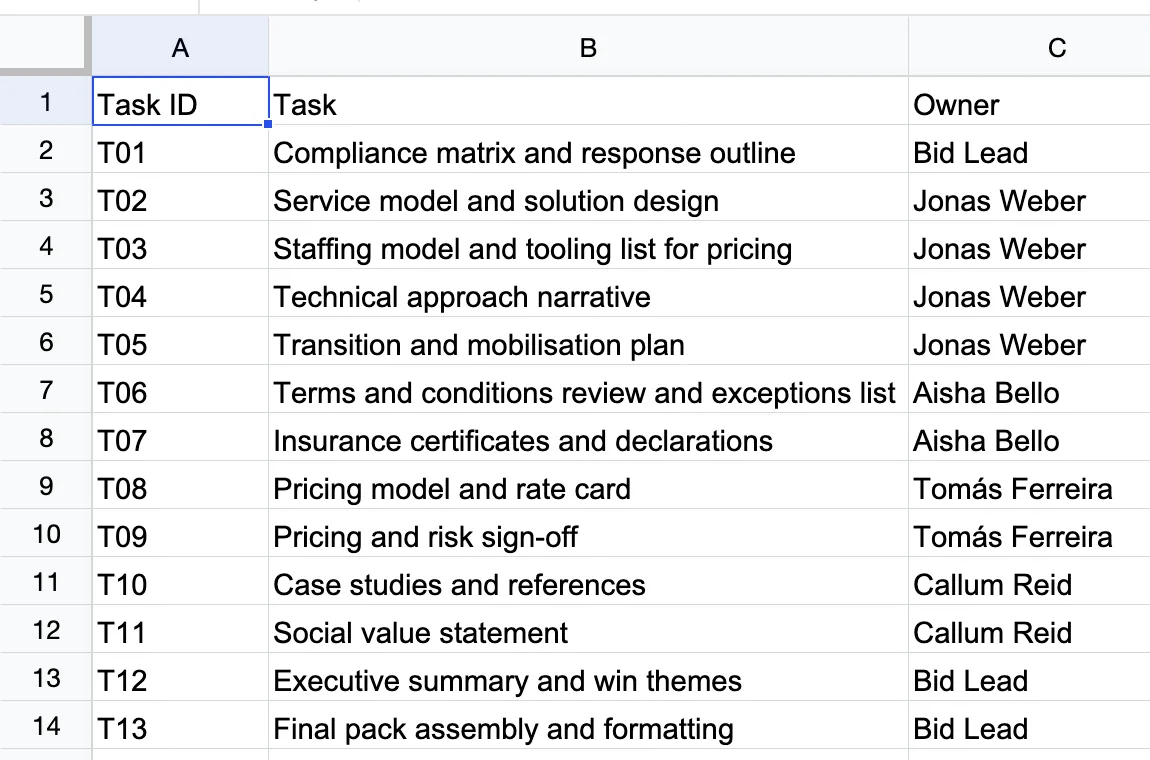
What a strong candidate did: Rebuilt the plan around the new date, protected the parts that decide the score, and briefed each person on exactly what they owe and when.
A spreadsheet, then a note for finance
Check a vendor invoice before it goes to finance
A contract-staffing vendor’s monthly invoice has arrived. Finance will not pay until it is checked against the rate card and the deployment record.
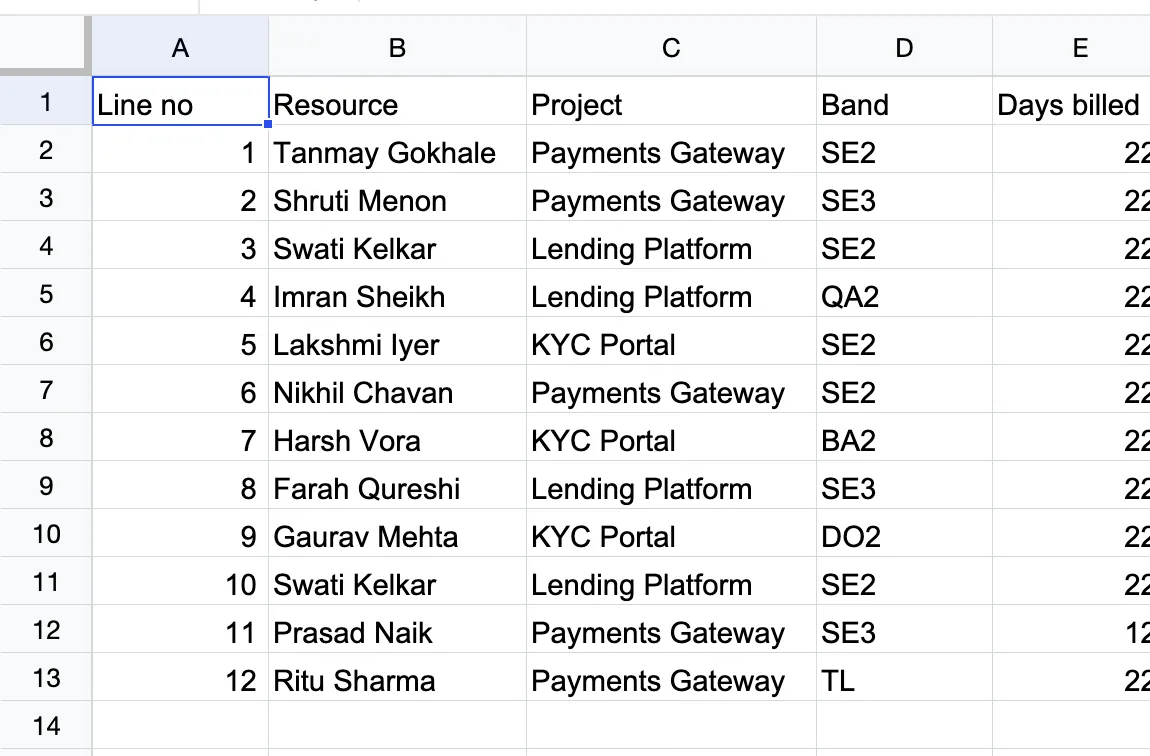
What a strong candidate did: Found the lines that did not match the rate card or the records, worked out the correct amount, and wrote a note finance could act on without a call.
How the decision gets made
In Gateway, scrum master candidates work through situations written from your job description: re-planning when a committed date moves and recording a short brief to the team, or digging into sprint data in a spreadsheet to explain why work keeps carrying over. The hiring manager sees each skill scored with written feedback, opens the candidate's spreadsheet and plan read-only, listens to how the candidate speaks to the team, and meets only the scrum masters who found the real cause instead of repeating the process.
See your next scrum master at work before you meet them
Paste your job description and Gateway writes the assessment in about 5 to 10 minutes. Your team can edit every question before it goes out.
Questions
Can the assessment use our sprint data?
Gateway writes the assessment from your job description and your team can edit any question or data set before it goes out, so the sprint history and blockers can look like the ones your team actually has.
How do we see how a scrum master communicates with the team?
A recorded walkthrough lets the candidate brief the team as on a real morning. You hear whether developers would know what changed and what is expected of each of them.
Does this replace the interview with the team?
It replaces the interviews with people who would not have passed. Your team still meets the scrum masters who handled the situations well, and makes the final decision.
Is there any multiple choice on Scrum rules?
No. There is no multiple choice and no question bank that circulates online. Scrum master candidates produce real work, which is scored skill by skill with written feedback.
Related