Hire a JavaScript developer who understands what the browser is doing
A JavaScript developer makes pages behave correctly in real browsers: requests that return out of order, events that fire more often than expected, and code that has to work without a framework hiding the details. The way to tell candidates apart is to see each one fix real browser behaviour in code before your team spends time on interviews.
What the hiring manager needs from a JavaScript developer
A job titled JavaScript developer, rather than React or Vue developer, often means the codebase is not one framework: a mix of vanilla JavaScript, older jQuery widgets, a bundler setup and perhaps a newer framework on some pages. The frontend lead needs someone who understands the language and the browser underneath all of it, and can work across that mix without breaking what already works.
Results that arrive in the wrong order
A search box fires a request on every keystroke and responses on a slow connection come back out of order, so older results overwrite newer ones. A good JavaScript developer cancels stale requests with AbortController or ignores them, and gives loading, empty and error their own states.
A page that gets slower the longer it stays open
Event listeners are added each time a panel opens and never removed, and memory grows through the day. The developer finds the leak in the browser's memory tools and uses event delegation or proper cleanup to stop it.
Layout that jumps as content loads
Images and injected content push the page around on mobile, and the main image appears late. The developer reserves space, loads the first visible image early and the rest lazily, and explains which change improved which measurement.
Legacy code that still has to work
An old jQuery plugin powers checkout and nobody wants to touch it. The developer reads it, adds the fix that is needed, and leaves a path to replace it gradually instead of rewriting the checkout in one go.
Where hiring a JavaScript developer usually goes wrong
- Language trivia in place of browser work
- Questions about hoisting, the value of this or type coercion are easy to prepare for. They say little about whether the candidate can find why a click handler fires twice on a real page.
- Hiring a framework developer for a mixed codebase
- Someone who has only worked inside one framework may struggle when the DOM has to be handled directly. If the codebase is part vanilla and part legacy, the assessment should include that.
- Ignoring accessibility and keyboard use
- Custom JavaScript widgets often break keyboard focus and screen readers. Interviews that test logic alone hire developers who never check, and the gap surfaces in customer complaints.
- Reading too much into a long list of libraries
- JavaScript resumes tend to list many libraries. The list says what has been installed, and little about how well the candidate understands the language they all run on.
Real tasks from a Gateway assessment
These come from a Gateway assessment for a frontend developer, with the employer’s name taken out. Gateway writes every assessment from your own job description, so the tasks your candidates get are built around your role.
Code, then a short note
Search that survives slow responses
Buyers on slow mobile connections type fast, and search responses come back out of order. An older response sometimes overwrites newer results, and a failed request looks the same as “no results”.
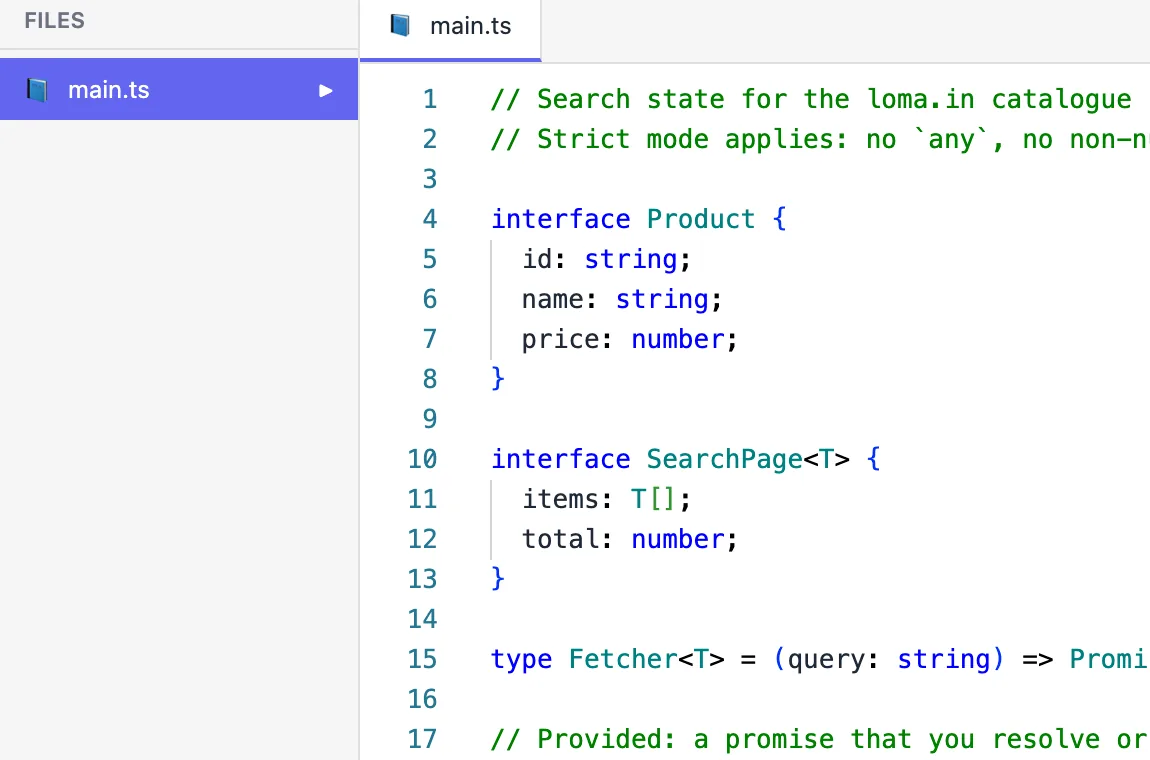
What a strong candidate did: Kept only the latest request’s results, gave loading, empty and error their own states with a retry, and wrote tests that reproduce the out-of-order case.
Web code in the browser, then a short note
Fix the slow, jumpy catalog grid
Field data for the catalog page on mobile shows the main image loading in 3.8 seconds and the layout jumping as it loads. Product and the founder want it back inside Google’s “good” thresholds. The candidate owns the frontend.
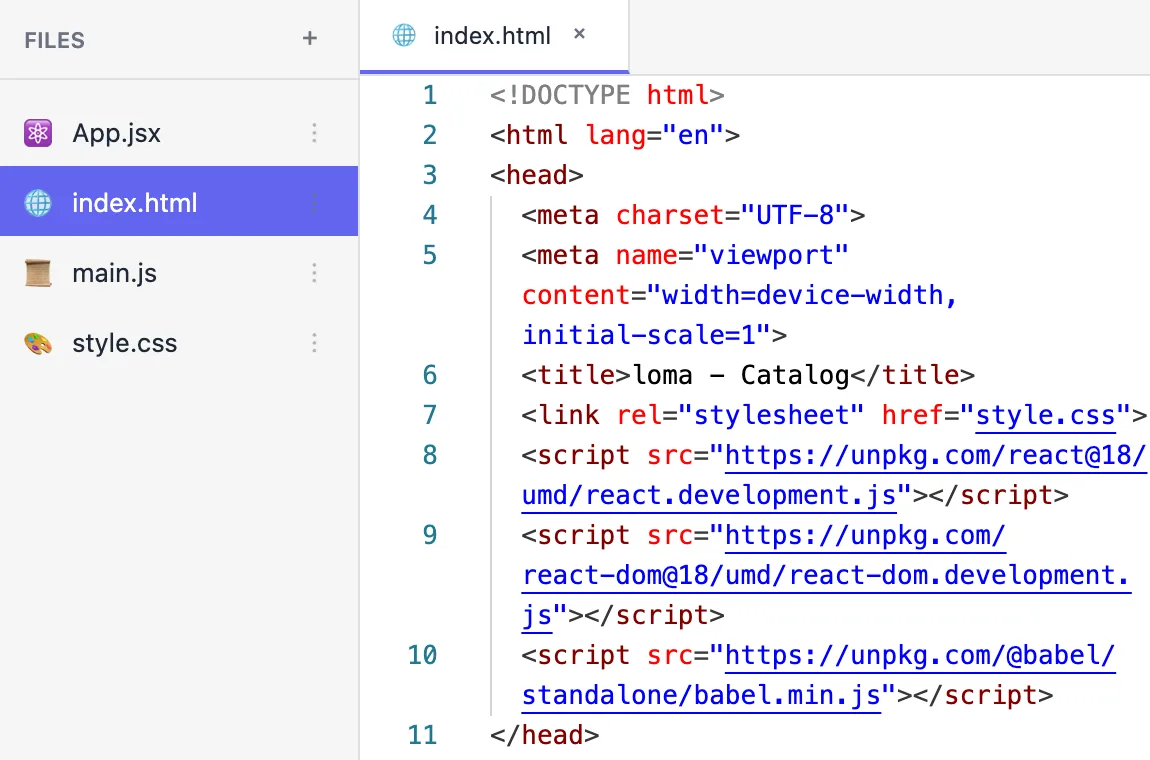
What a strong candidate did: Reserved space for images so nothing moves, loaded the first visible image first and the rest lazily, and explained which change moved which number and how to confirm it in field data next week.
Web code in the browser
Accessible, responsive filter chips
A designer’s new filter panel works with a mouse on desktop. Nobody has checked it with a keyboard, a screen reader or a phone. The candidate is asked to finish it.
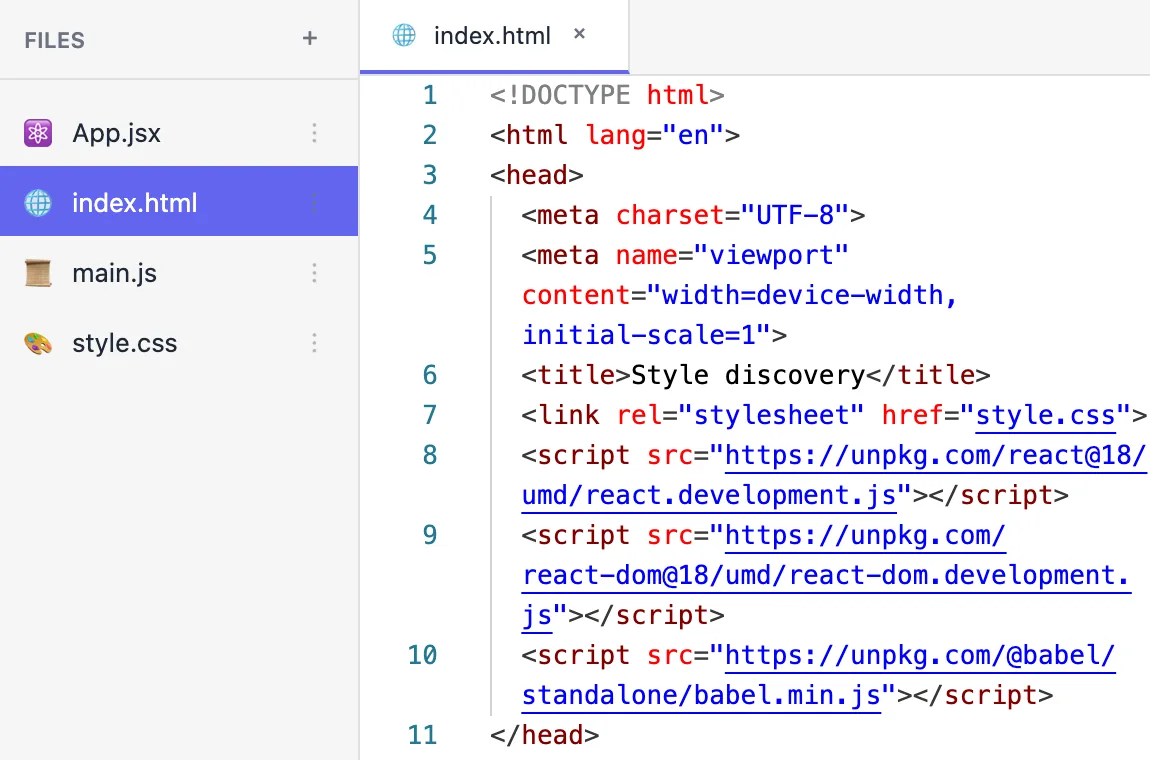
What a strong candidate did: Made every chip reachable and toggleable from the keyboard with a visible focus, announced the selected state to screen readers, and made the panel usable on a small phone without changing the design.
How the decision gets made
With Gateway, JavaScript developer candidates work through situations written from your job description: a search that falls apart on slow responses, a jumpy catalog grid on mobile, a filter panel that keyboard users cannot operate. Candidates work in web code in the browser and write a short note. The frontend lead reads a score and written feedback for each skill, opens the code read-only, and interviews only candidates whose fixes work in the browser your customers use.
See your next JavaScript developer at work before you meet them
Paste your job description and Gateway writes the assessment in about 5 to 10 minutes. Your team can edit every question before it goes out.
Questions
Can the tasks be in plain JavaScript, without a framework?
Yes. Gateway writes the assessment from your job description, so if the role is vanilla JavaScript or a mix with legacy code, describe it and the situations follow. Your team can edit every question.
Do candidates work in a real browser environment?
Candidates write web code in the browser, with frontend frameworks ready to use when the role needs one, and add a short note explaining the change.
How do we see what a candidate actually did?
Any candidate's work opens read-only in the same tool, alongside a score and written feedback for each skill and a tier from 1 to 5.
How fast can we send it out?
About 5 to 10 minutes from a job description to an assessment. Add candidates from an ATS export, a spreadsheet or resumes, and each gets one link and a deadline.
Is there any multiple choice?
No. Every task is a situation from the job, and there is no question bank that circulates online.
Related