Hire a Vue developer who keeps reactivity predictable
A Vue developer often owns most of a product's interface on a small team, sometimes beside a Laravel or Node backend. The hire works out if the candidate writes components whose reactivity behaves, keeps shared state tidy and can carry an older Vue 2 codebase forward, and the clearest way to judge that is to watch each candidate change real Vue code before you interview.
What the hiring manager needs from a Vue developer
Vue is popular with smaller product teams and agencies, so the developer you hire often works without a frontend lead checking every merge. The engineering manager needs someone whose components other people can reuse, whose stores do not turn into a dumping ground, and who understands why a value stopped updating.
A value that stops updating on screen
Someone destructured a reactive object or replaced an array in a way that broke tracking, and now a cart total stays stale. A capable Vue developer recognises which reactivity rule was broken and fixes it with ref, toRefs or computed, rather than forcing a re-render.
A Vue 2 app that has to move to Vue 3
The app still uses the Options API, mixins and an event bus, and some plugins have no Vue 3 version. The developer decides what to migrate first, what to replace, and how to keep shipping features while the move happens.
A store everyone writes to
Vuex or Pinia has become a global bag of fields that any component mutates. The developer splits it by domain, moves derived values into getters and keeps API calls in actions, so a bug can be traced to one place.
Server rendering that disagrees with the browser
In a Nuxt app, the page flashes or logs a hydration mismatch because a date or a generated ID differs between server and client. Finding which component renders differently, and why, is work this hire meets early.
Where hiring a Vue developer usually goes wrong
- Mistaking template fluency for understanding
- Vue templates are easy to read and write, so many candidates look productive within an hour. The difference shows when reactivity breaks or a component grows large, and a short live-coding round rarely gets that far.
- Ignoring how the candidate shares logic
- Mixins, composables and copy-pasted methods all work at first. A hire who keeps reaching for mixins in a Vue 3 codebase leaves name clashes and hidden dependencies that slow every later change.
- Hiring for Nuxt without checking rendering knowledge
- A resume that lists Nuxt may mean a static marketing site. If your product relies on server rendering, server-side data fetching and caching, ask to see the candidate fix a hydration problem, not describe one.
Real tasks from a Gateway assessment
These come from a Gateway assessment for a frontend developer, with the employer’s name taken out. Gateway writes every assessment from your own job description, so the tasks your candidates get are built around your role.
Web code in the browser, then a short note
Fix the slow, jumpy catalog grid
Field data for the catalog page on mobile shows the main image loading in 3.8 seconds and the layout jumping as it loads. Product and the founder want it back inside Google’s “good” thresholds. The candidate owns the frontend.
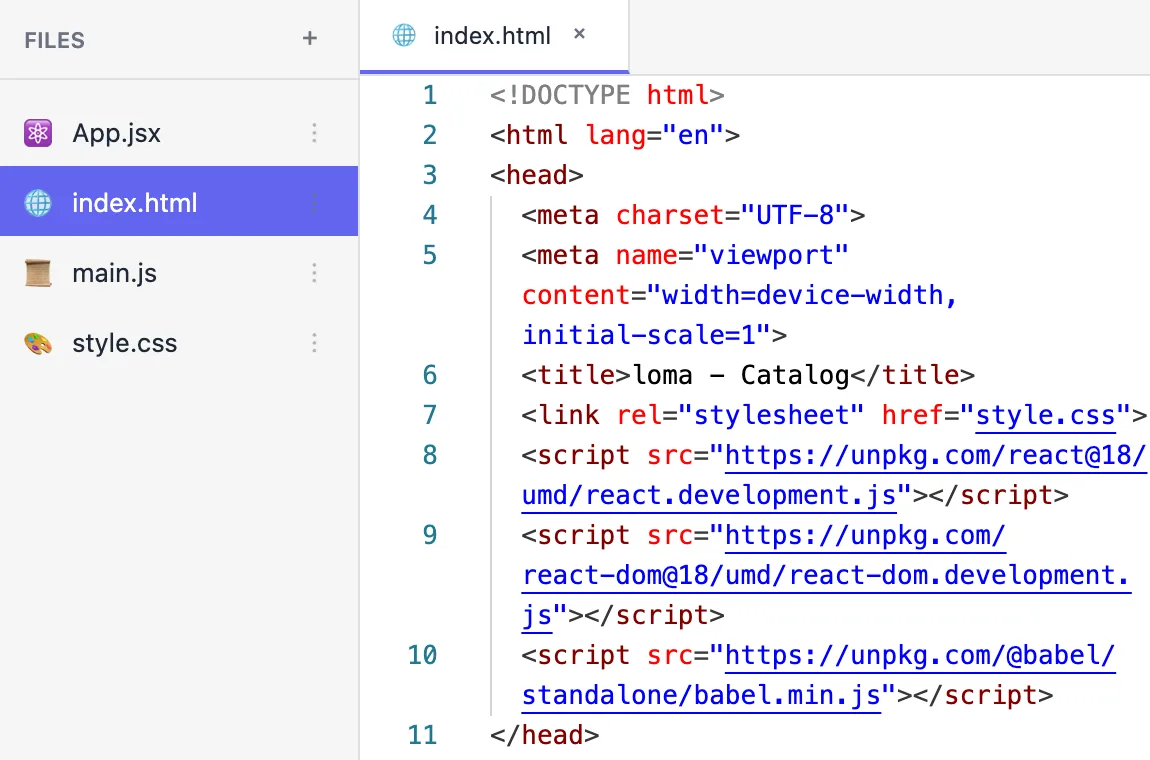
What a strong candidate did: Reserved space for images so nothing moves, loaded the first visible image first and the rest lazily, and explained which change moved which number and how to confirm it in field data next week.
Web code in the browser
Accessible, responsive filter chips
A designer’s new filter panel works with a mouse on desktop. Nobody has checked it with a keyboard, a screen reader or a phone. The candidate is asked to finish it.
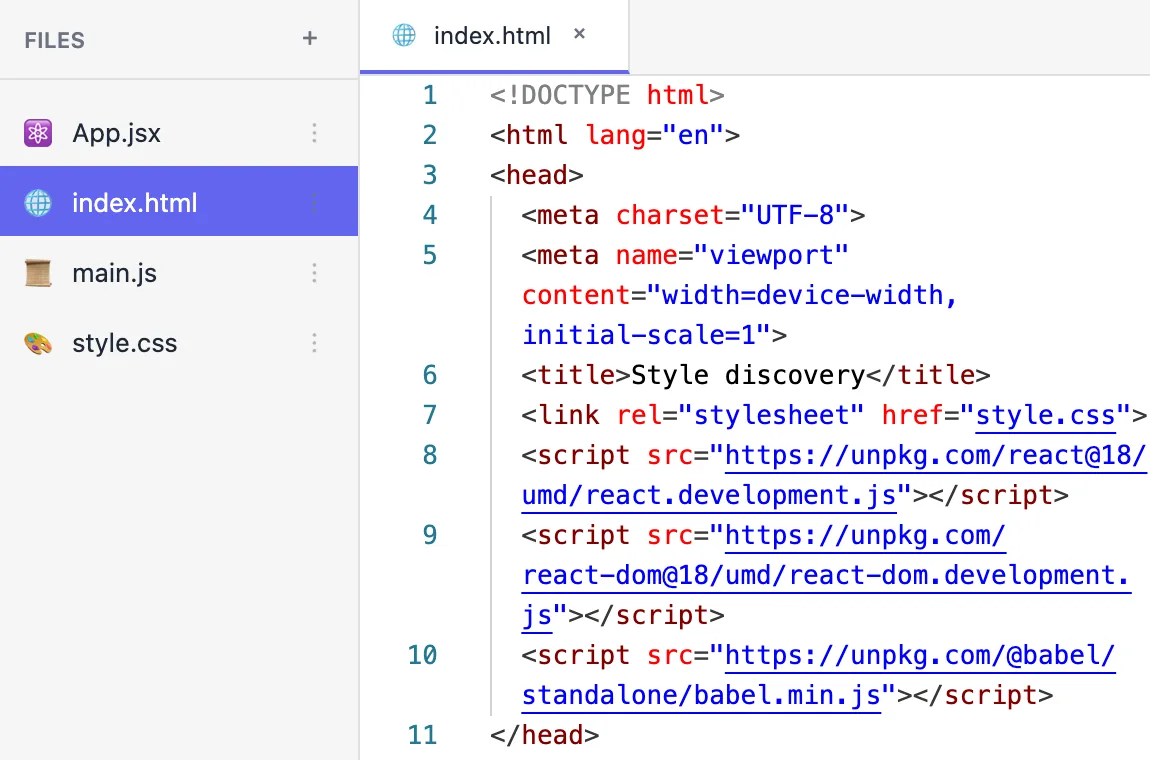
What a strong candidate did: Made every chip reachable and toggleable from the keyboard with a visible focus, announced the selected state to screen readers, and made the panel usable on a small phone without changing the design.
How the decision gets made
In Gateway, each Vue developer candidate gets situations based on your job description, for example a stale computed value, a store that needs splitting or a component to finish from a design, and works in web code in the browser with Vue ready to use. Your manager sees a score and written feedback for every skill, opens the candidate's components and store read-only, and spends interview time only on the developers whose Vue code would pass your own review.
See your next Vue developer at work before you meet them
Paste your job description and Gateway writes the assessment in about 5 to 10 minutes. Your team can edit every question before it goes out.
Questions
Can the assessment use the Composition API, the Options API, or both?
It follows your job description. If your codebase mixes both, say so, and your team can edit every task before it goes out so it matches what the hire will actually maintain.
We use Nuxt. Can that be part of it?
The tasks are written from your description of the role, so rendering and data fetching situations can be included. Your team reviews each question before sending and can sharpen it to your setup.
What does the hiring manager receive?
A score and written feedback for each skill, a tier from 1 to 5, and whether the candidate meets your line. Anyone on your team can change a score; the decision stays with you.
Is there a fixed question bank candidates could find online?
No. Each assessment is written from your own job description, and there is no multiple choice anywhere in it.
Related