Hire a Svelte developer who knows what belongs on the server and what belongs in the browser
A Svelte developer is typically hired to build and own a SvelteKit app end to end, from load functions and form actions to the components on screen. The pool is smaller and many candidates come from other frameworks, so the reliable way to judge them is to see each one work in real Svelte code before your team books interviews.
What the hiring manager needs from a Svelte developer
Teams that pick Svelte usually want fast pages with little JavaScript, and they often have only one or two people on the frontend. The engineering lead needs a developer who understands the compiler's reactivity, uses SvelteKit's server features instead of working around them, and builds the components a smaller ecosystem does not provide.
Moving components to runes
The codebase mixes Svelte 4 stores and reactive statements with newer $state and $derived code, and one $effect now loops. A strong Svelte developer knows when derived state should replace an effect and can migrate a component without changing its behaviour.
Data loading in the wrong place
A page fetches in onMount, shows a spinner, and has leaked a private API key into the browser bundle. The developer moves the fetch into a server load function, keeps secrets on the server, and returns only what the page needs.
A form that only works with JavaScript
A settings form posts through fetch and breaks if the script fails to load. Rewriting it as a SvelteKit form action with progressive enhancement, validation messages from the server and a clear pending state is the kind of work this hire owns.
Building what the ecosystem lacks
No ready-made accessible combobox fits the design. The developer writes one, with keyboard support and the right ARIA roles, small enough that the page keeps the speed that made the team choose Svelte.
Where hiring a Svelte developer usually goes wrong
- Treating Svelte experience as interchangeable with React
- Framework skills transfer only partly. A developer who brings React habits, like syncing state through effects or fetching everything on the client, gives up what SvelteKit does well and adds bugs that are hard to see in review.
- Not checking the server half of SvelteKit
- Many candidates have built Svelte components inside a static site. If your app relies on load functions, hooks, cookies and form actions, the assessment has to show the candidate handling them, or the server side ends up with whoever else is free.
- Filtering out good candidates on keyword match
- Because fewer people list Svelte, strict keyword filters reject strong frontend developers who learned it on the side. Seeing the work lets you judge the candidate on the code, not on how often the resume mentions the framework.
Real tasks from a Gateway assessment
These come from a Gateway assessment for a frontend developer, with the employer’s name taken out. Gateway writes every assessment from your own job description, so the tasks your candidates get are built around your role.
Web code in the browser
Accessible, responsive filter chips
A designer’s new filter panel works with a mouse on desktop. Nobody has checked it with a keyboard, a screen reader or a phone. The candidate is asked to finish it.
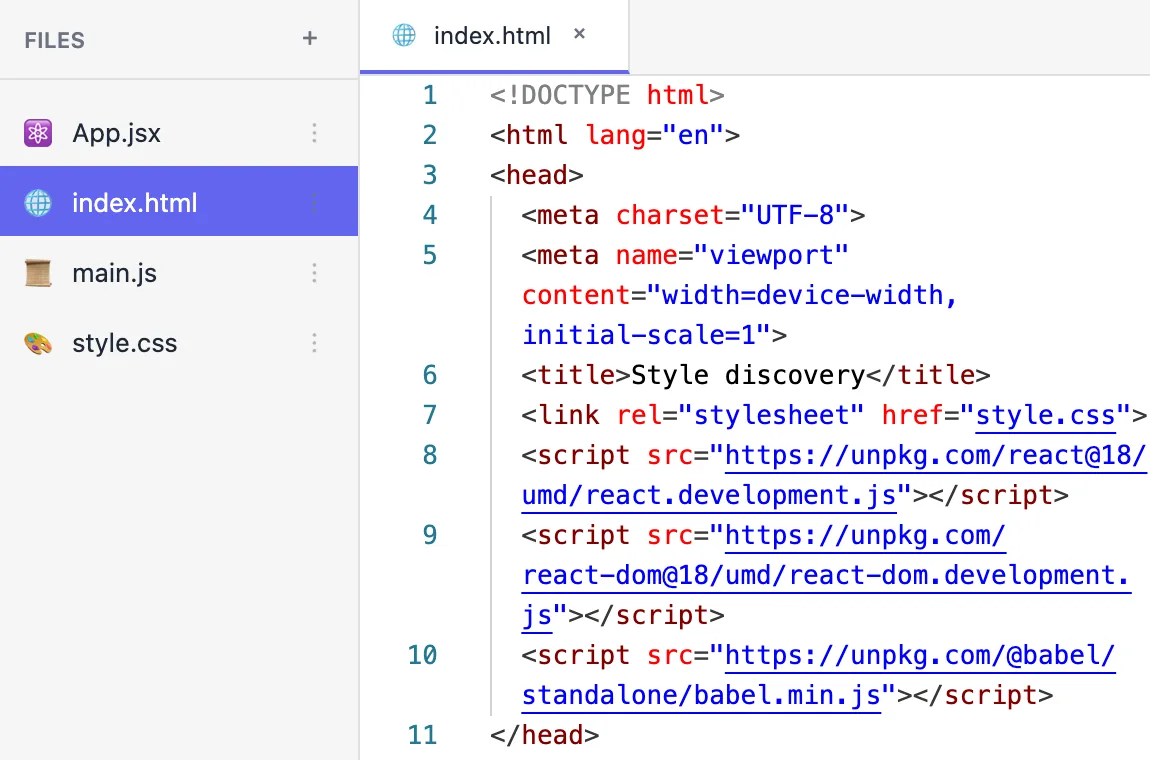
What a strong candidate did: Made every chip reachable and toggleable from the keyboard with a visible focus, announced the selected state to screen readers, and made the panel usable on a small phone without changing the design.
Code, then a short note
Search that survives slow responses
Buyers on slow mobile connections type fast, and search responses come back out of order. An older response sometimes overwrites newer results, and a failed request looks the same as “no results”.
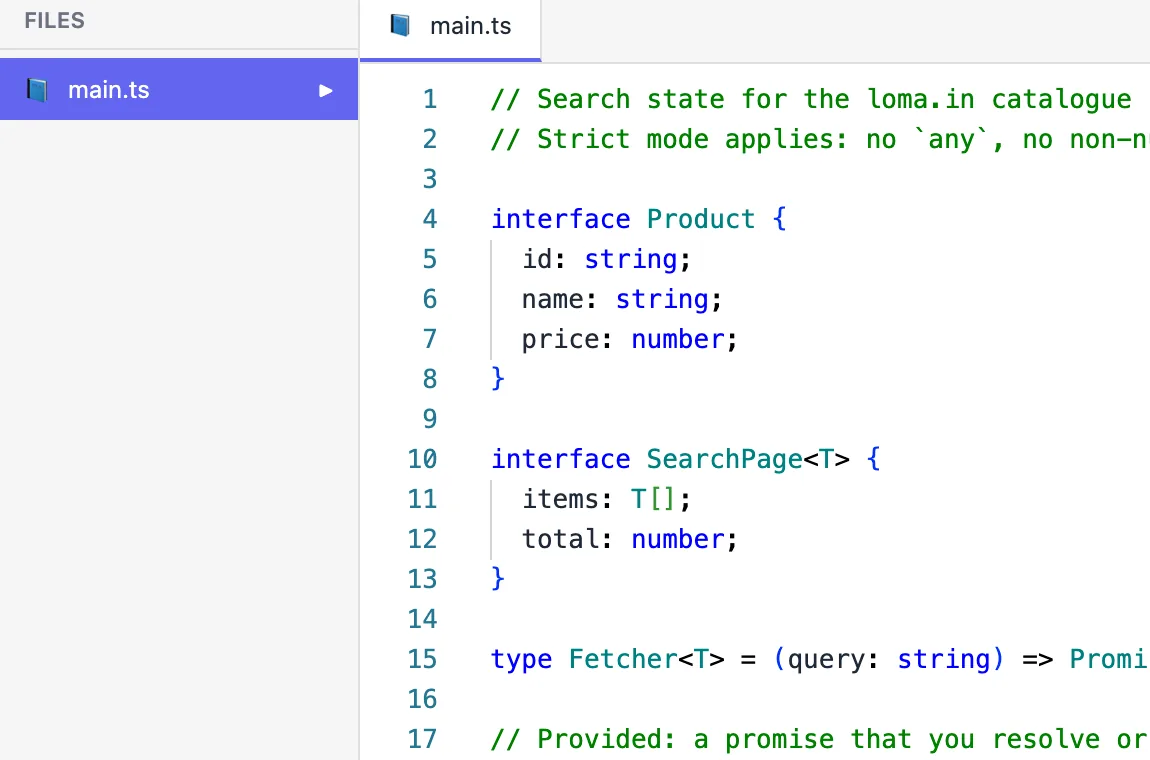
What a strong candidate did: Kept only the latest request’s results, gave loading, empty and error their own states with a retry, and wrote tests that reproduce the out-of-order case.
How the decision gets made
With Gateway, each Svelte developer candidate works through situations taken from your job description, like an effect that loops, a fetch that belongs on the server or a form that should work without JavaScript, in web code in the browser with Svelte ready to use. A short note explains the reasoning. Your lead sees a score and written feedback for each skill, reads the candidate's files read-only, and meets only the developers who put each piece of logic where SvelteKit expects it.
See your next Svelte developer at work before you meet them
Paste your job description and Gateway writes the assessment in about 5 to 10 minutes. Your team can edit every question before it goes out.
Questions
Can the tasks use Svelte 5 runes rather than the older syntax?
Yes. The assessment is written from your job description, and your team can edit every task, so it can name Svelte 5, SvelteKit, or whichever version your app runs.
Few applicants list Svelte. Can we assess strong frontend developers who have barely used it?
You can send the same assessment to anyone. Each skill is scored separately with the reasoning, so a candidate strong in browser fundamentals but new to runes shows that plainly.
How quickly can we start?
Paste the job description and Gateway writes the assessment in about 5 to 10 minutes. Review it, then send each candidate a link with a deadline.
Can the hiring manager see exactly what the candidate wrote?
Yes. Every candidate's work opens read-only in the same editor, next to the score and written feedback for each skill.
Related