Hire an Ember developer who can maintain and modernise a long-lived app
An Ember developer usually joins a product that has run on Ember for years and needs someone to keep shipping features while moving the code toward modern Octane patterns. Ember experience is scarce, so the way to tell candidates apart, including strong frontend developers new to Ember, is to see each one work real frontend problems before interviews.
What the hiring manager needs from an Ember developer
Companies hiring an Ember developer almost always have a large, established Ember application, often a dashboard or internal tool that customers rely on every day. The frontend lead needs someone who respects Ember's conventions, can work with Ember Data and ember-cli, and moves the app forward without a risky rewrite.
Classic components next to Glimmer components
Half the app uses classic components with computed properties and observers; the other half uses Glimmer components with tracked properties. A good Ember developer converts components as features touch them, removes observers that cause surprise re-renders, and keeps both styles working in the meantime.
Ember Data behaving unexpectedly
A record shows stale values after save, or a relationship loads one request at a time. The developer reads the adapter and serializer, fixes the API shape or the query, and makes sure the store reflects what the server actually holds.
An add-on that blocks the upgrade
The app is stuck on an older Ember version because one add-on has not been maintained. The developer decides whether to replace it, fork it or rewrite the small part the app uses, and plans the upgrade around that choice.
Accessibility in an older interface
A filter panel built years ago works only with a mouse. The developer makes it usable with a keyboard and a screen reader without redesigning it, using the patterns the app already has.
Where hiring an Ember developer usually goes wrong
- Waiting for the perfect Ember resume
- Few developers list years of recent Ember work, and the role can sit open for a long time waiting for one. A strong frontend developer who reasons well about components, state and data often learns Ember conventions quickly. The work shows which candidates can.
- Testing with React-shaped interview questions
- Generic frontend rounds tend to assume React. Candidates are then judged on hooks and JSX instead of the routing, services and data layer that make up an Ember app.
- Hiring someone who wants to rewrite it
- Some candidates see an Ember codebase and propose moving it to another framework. Most teams hiring for Ember need the app improved steadily while customers keep using it, and that intent is worth checking before an offer.
Real tasks from a Gateway assessment
These come from a Gateway assessment for a frontend developer, with the employer’s name taken out. Gateway writes every assessment from your own job description, so the tasks your candidates get are built around your role.
Web code in the browser
Accessible, responsive filter chips
A designer’s new filter panel works with a mouse on desktop. Nobody has checked it with a keyboard, a screen reader or a phone. The candidate is asked to finish it.
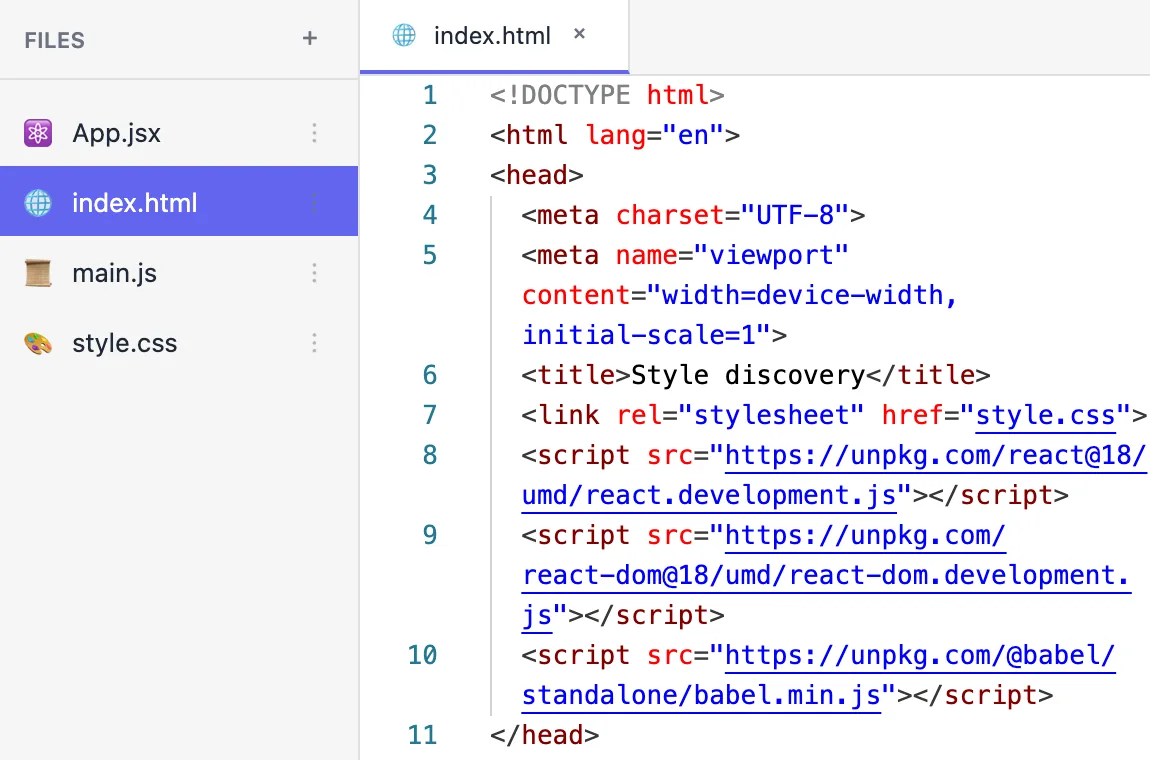
What a strong candidate did: Made every chip reachable and toggleable from the keyboard with a visible focus, announced the selected state to screen readers, and made the panel usable on a small phone without changing the design.
Code, then a short note
Search that survives slow responses
Buyers on slow mobile connections type fast, and search responses come back out of order. An older response sometimes overwrites newer results, and a failed request looks the same as “no results”.
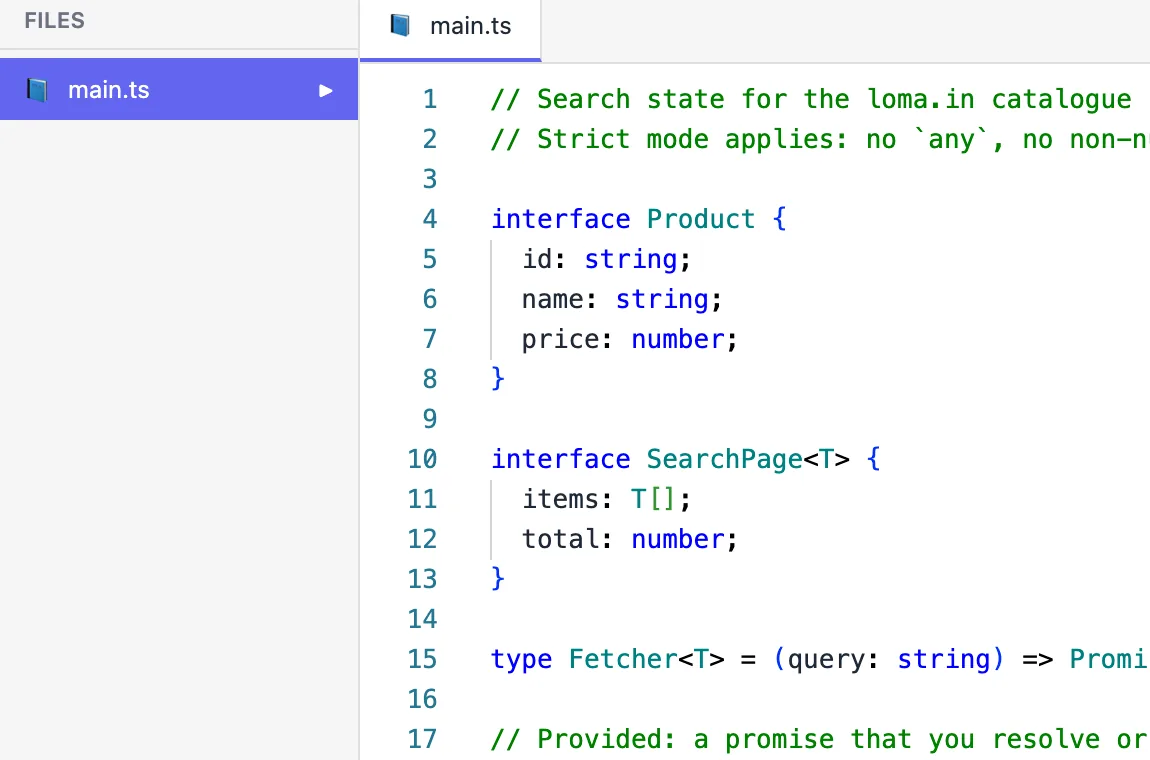
What a strong candidate did: Kept only the latest request’s results, gave loading, empty and error their own states with a retry, and wrote tests that reproduce the out-of-order case.
How the decision gets made
With Gateway, Ember developer candidates work through situations written from your job description, such as a filter panel that keyboard and screen-reader users cannot operate, or a search that falls apart when responses arrive out of order. Candidates write code and a short note on what changed and why. The frontend lead reads a score and written feedback for each skill and opens the code read-only, so candidates without long Ember histories can still show they would handle your app well.
See your next Ember developer at work before you meet them
Paste your job description and Gateway writes the assessment in about 5 to 10 minutes. Your team can edit every question before it goes out.
Questions
Can the assessment reflect our Ember app specifically?
Gateway writes the tasks from your job description, so mention Ember, Octane, Ember Data or the add-ons that matter. Your team can read and edit every question before it goes out.
We are open to frontend developers new to Ember. Does this help?
Yes. The situations test how a candidate reasons about components, state and data in a realistic task, so a developer from another framework can show the same judgement your Ember work needs.
What does the frontend lead get?
A score and written feedback for each skill, a tier from 1 to 5, whether the candidate meets your line, and every piece of work read-only. Your team can change any score.
Is monitoring on?
Only if you switch it on. It is off by default, with four levels from activity only to camera on and a replay. Gateway never marks a candidate as cheating on its own.
How long does it take to set up?
About 5 to 10 minutes from a job description, then one link per candidate with a deadline.
Related