Hire a Xamarin developer who can keep your app running and move it to .NET MAUI
Most teams hiring a Xamarin developer today have a working C# app in production on a framework that is no longer supported, so the work is part maintenance and part migration to .NET MAUI. The way to find the right person is to see each candidate work on real XAML, MVVM and migration situations before your team spends time on interviews.
What the hiring manager needs from a Xamarin developer
Xamarin apps often run inside companies, for field service, inspections or sales, built years ago by a .NET team. The engineering manager needs a developer who can fix what users report today, understand the custom renderers and platform code holding the app together, and plan a move to .NET MAUI that does not stop the business that depends on it.
Planning the move to .NET MAUI
The app has separate platform projects, custom renderers and NuGet packages, some with no MAUI version. A capable Xamarin developer lists what will break, converts renderers to handlers, finds replacements for abandoned packages, and proposes an order of work the business can live with.
Bindings that silently fail
A field on an inspection form stays blank, with no error, because a binding path is wrong or a property never raises PropertyChanged. The developer reads the binding output, fixes the view model, and keeps logic out of the code-behind.
Platform code behind a shared interface
Barcode scanning and file storage go through DependencyService with separate iOS and Android implementations. The developer knows where each lives, why one platform behaves differently, and how to move both to dependency injection during the migration.
A list page that loads slowly on older devices
Company-issued phones are often older and slower. The developer finds the heavy cell layout or the synchronous call on load, uses list virtualisation properly and moves work off the UI thread so field staff are not left waiting.
Where hiring a Xamarin developer usually goes wrong
- Looking for Xamarin on the resume and stopping there
- Many experienced Xamarin developers have moved to MAUI or other stacks, and many C# developers touched Xamarin only briefly. The keyword alone does not tell you whether the candidate can migrate an app or only maintain one.
- Hiring for a greenfield MAUI app when the work is migration
- A developer who has only started new MAUI projects may be caught out by custom renderers, old packages and years of platform-specific workarounds. Migration is a different skill from building from scratch.
- Testing C# but not XAML and MVVM
- General C# questions miss the layer where most Xamarin bugs live: bindings, converters, styles and navigation. A candidate strong in backend C# can still struggle inside a XAML view.
Real tasks from a Gateway assessment
These come from a Gateway assessment for a frontend developer, with the employer’s name taken out. Gateway writes every assessment from your own job description, so the tasks your candidates get are built around your role.
Web code in the browser, then a short note
Fix the slow, jumpy catalog grid
Field data for the catalog page on mobile shows the main image loading in 3.8 seconds and the layout jumping as it loads. Product and the founder want it back inside Google’s “good” thresholds. The candidate owns the frontend.
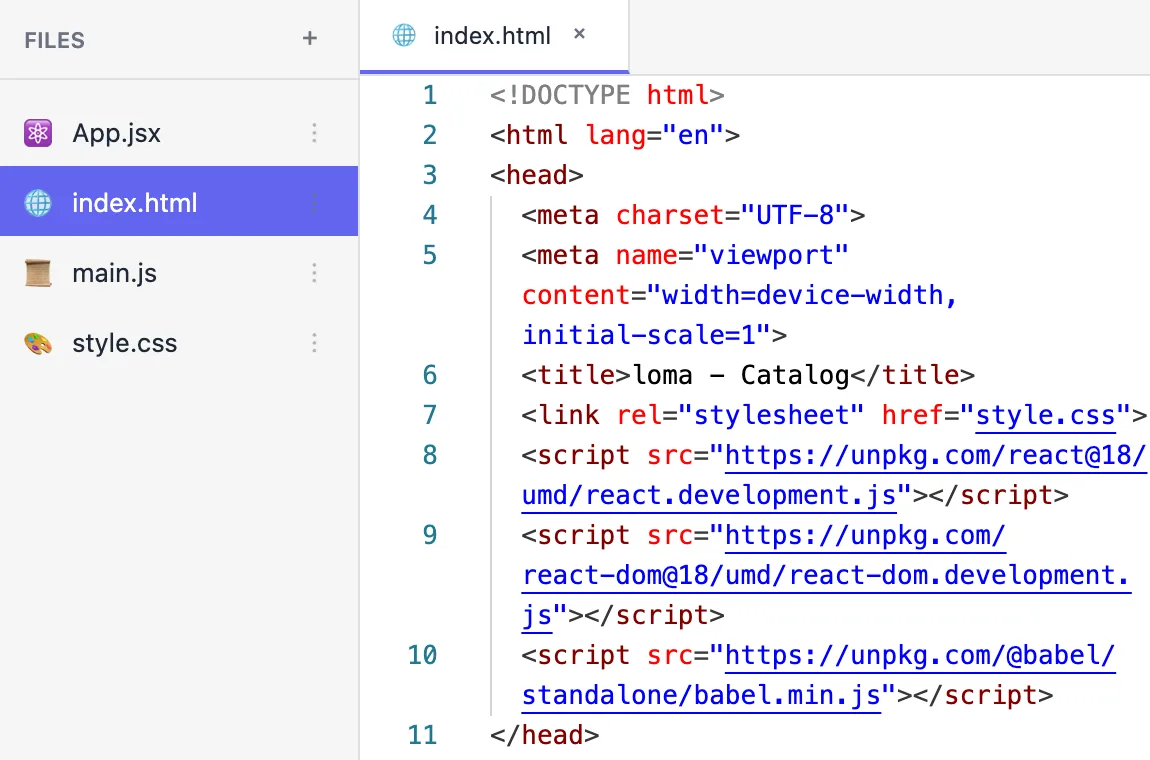
What a strong candidate did: Reserved space for images so nothing moves, loaded the first visible image first and the rest lazily, and explained which change moved which number and how to confirm it in field data next week.
Web code in the browser
Accessible, responsive filter chips
A designer’s new filter panel works with a mouse on desktop. Nobody has checked it with a keyboard, a screen reader or a phone. The candidate is asked to finish it.
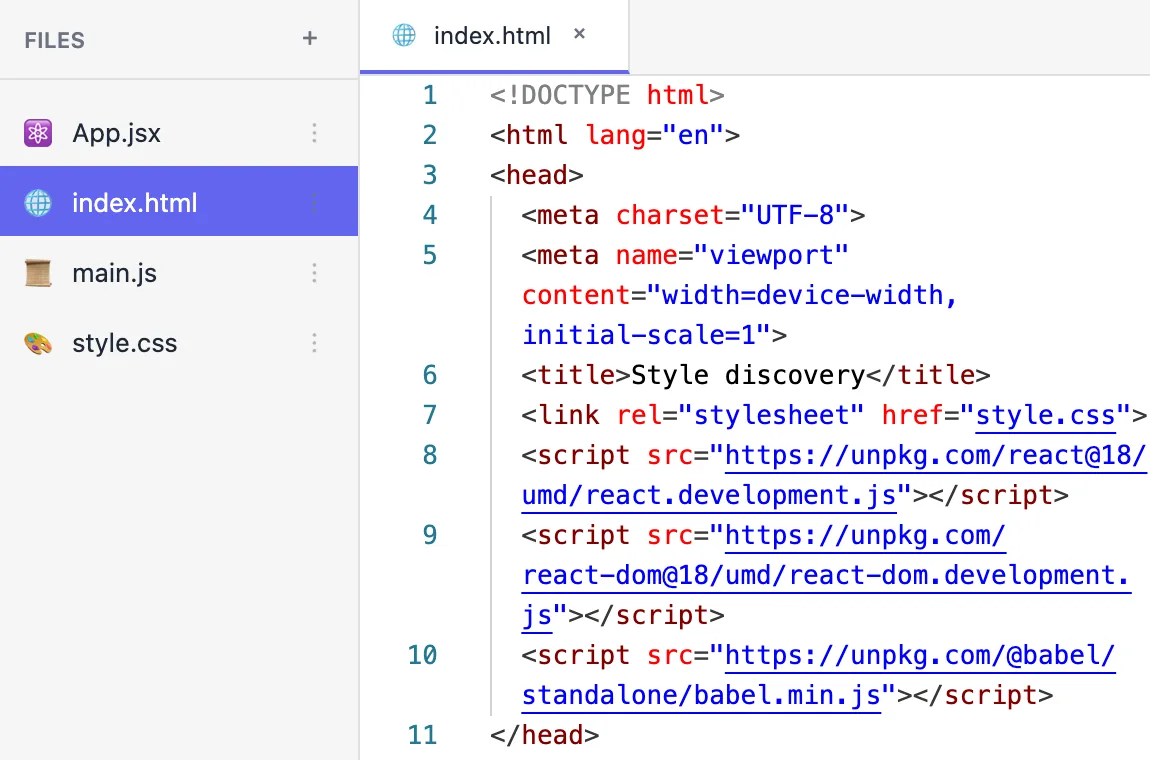
What a strong candidate did: Made every chip reachable and toggleable from the keyboard with a visible focus, announced the selected state to screen readers, and made the panel usable on a small phone without changing the design.
Code, then a short note
Search that survives slow responses
Buyers on slow mobile connections type fast, and search responses come back out of order. An older response sometimes overwrites newer results, and a failed request looks the same as “no results”.
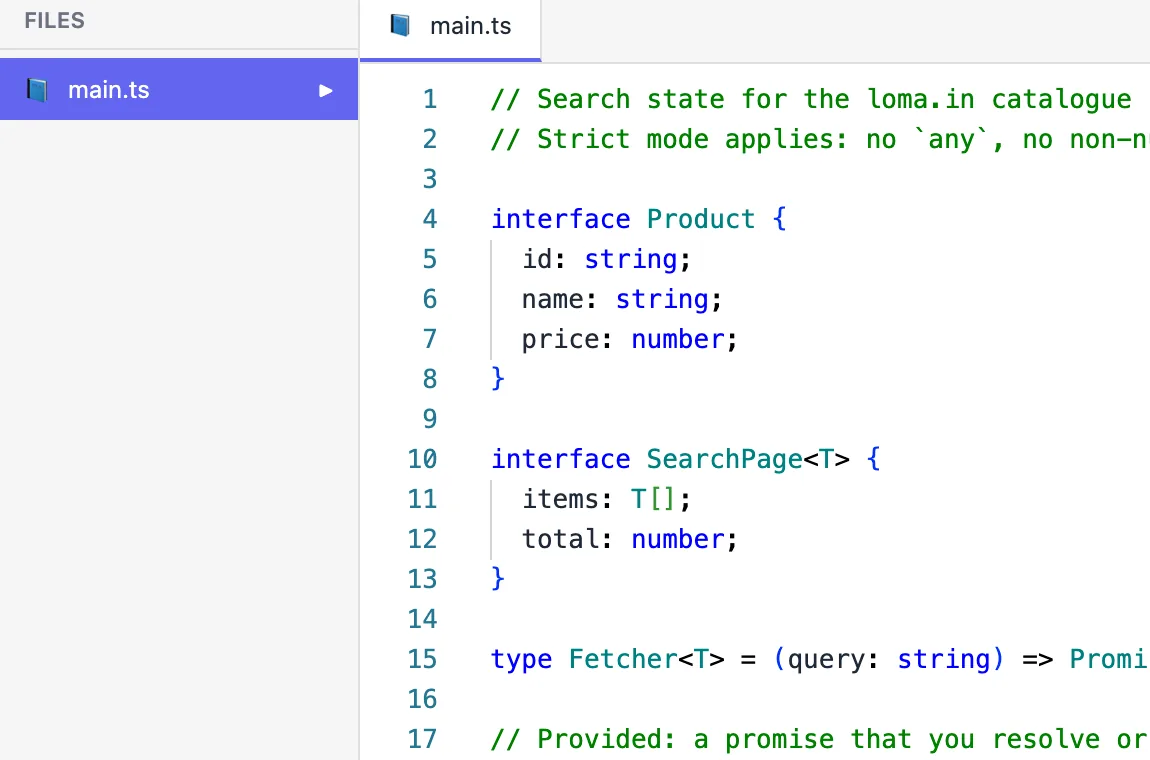
What a strong candidate did: Kept only the latest request’s results, gave loading, empty and error their own states with a retry, and wrote tests that reproduce the out-of-order case.
How the decision gets made
In Gateway, each Xamarin developer candidate works through situations from your job description, such as a custom renderer to convert for MAUI, a binding that fails silently or a platform service to move to dependency injection, in C# and XAML code, with a written migration plan where the role calls for one. Your engineering manager sees a score and written feedback for each skill, opens the work read-only, and meets only the developers who can keep the current app steady while moving it forward.
See your next Xamarin developer at work before you meet them
Paste your job description and Gateway writes the assessment in about 5 to 10 minutes. Your team can edit every question before it goes out.
Questions
Can the assessment include a written migration plan?
Yes. A task can ask for code and then a written note or a recorded walkthrough, so you see the candidate's migration thinking as well as the C#.
Our app uses Xamarin.Forms with many custom renderers. Can the tasks reflect that?
Gateway writes the assessment from your job description, and your team can read and change every question, so you can describe the renderers and packages your app depends on.
Can we send the same assessment to .NET MAUI candidates?
Yes. Send it to anyone you are considering. The per-skill scores show whether a MAUI developer understands the Xamarin side well enough to migrate it.
How do we add candidates?
From an ATS export, a spreadsheet or resumes. Each candidate gets one link and a deadline, and you can share results with the hiring manager with a note.
Related