Hire a React developer who can already do the work
A React developer earns a place by shipping screens that stay fast, accessible and easy for the next person to change. Most resumes list the same libraries, so the way to tell candidates apart is to watch each one fix a real component before your team spends an hour in an interview.
What the hiring manager needs from a React developer
Your engineering lead is not hiring someone who knows React. Almost everyone applying does. The lead is hiring someone who can take a messy part of the product and leave it faster, clearer and safer to change, without a senior engineer rewriting it afterwards.
A page that users say is slow
The product page takes too long on a mid-range phone and the layout jumps as images load. A good React developer measures before changing anything, finds what blocks the first paint, and fixes that rather than adding memo calls everywhere and hoping.
State that breaks under real network conditions
Search, filters and forms behave in the office and fall apart on a slow connection: stale results overwrite new ones, a failed request looks like an empty list. Handling loading, empty and error as separate states is ordinary work, and it is where weak hires show.
A component another developer has to pick up
The person you hire will hand work to teammates. Props that make sense, effects that do one thing, and tests that describe behaviour decide whether the next feature takes a day or a week.
A design that has to work for everyone
The designer's file shows a mouse on a wide screen. Keyboard users, screen readers and small phones are left to the developer, and a product team notices quickly when nobody filled that gap.
Where hiring a React developer usually goes wrong
- Hiring on the library list
- Redux, React Query, Next.js and Tailwind on a resume tell you what someone has installed, not whether the person can find why a render runs six times. Two candidates with identical stacks can be months apart in what they can actually fix.
- Algorithm rounds for a UI role
- A candidate who reverses a linked list on a whiteboard has shown a different skill from keeping a product grid fast with forty images. Teams that screen React developers on puzzles often hire people who then struggle with layout shift, focus order and data fetching.
- Take-home projects with no time limit
- A weekend project shows what someone can build with unlimited time and any help available. It does not show how the candidate reasons about a bug in someone else's code, which is most of the job.
- Letting the portfolio speak for the candidate
- A polished demo app may be mostly a template. Without seeing the candidate change real code under realistic constraints, you cannot tell which parts reflect the candidate's own judgement.
Real tasks from a Gateway assessment
These come from a Gateway assessment for a frontend developer, with the employer’s name taken out. Gateway writes every assessment from your own job description, so the tasks your candidates get are built around your role.
Web code in the browser, then a short note
Fix the slow, jumpy catalog grid
Field data for the catalog page on mobile shows the main image loading in 3.8 seconds and the layout jumping as it loads. Product and the founder want it back inside Google’s “good” thresholds. The candidate owns the frontend.
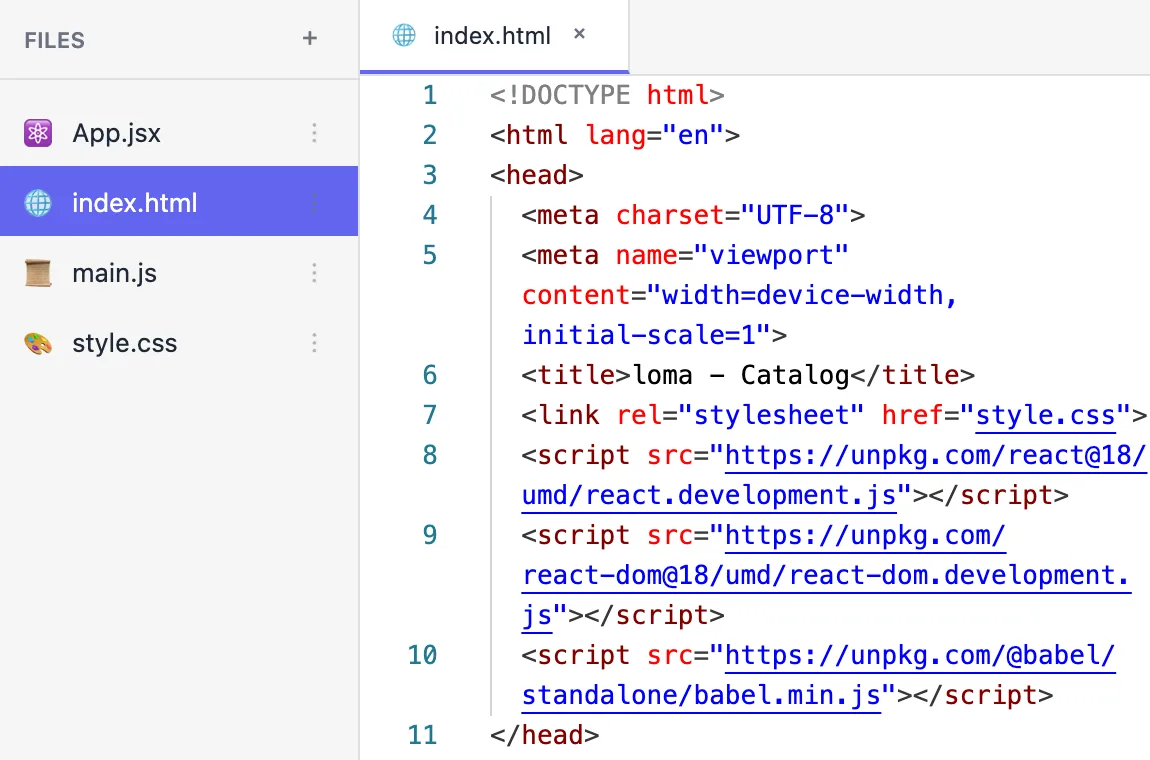
What a strong candidate did: Reserved space for images so nothing moves, loaded the first visible image first and the rest lazily, and explained which change moved which number and how to confirm it in field data next week.
Code, then a short note
Search that survives slow responses
Buyers on slow mobile connections type fast, and search responses come back out of order. An older response sometimes overwrites newer results, and a failed request looks the same as “no results”.
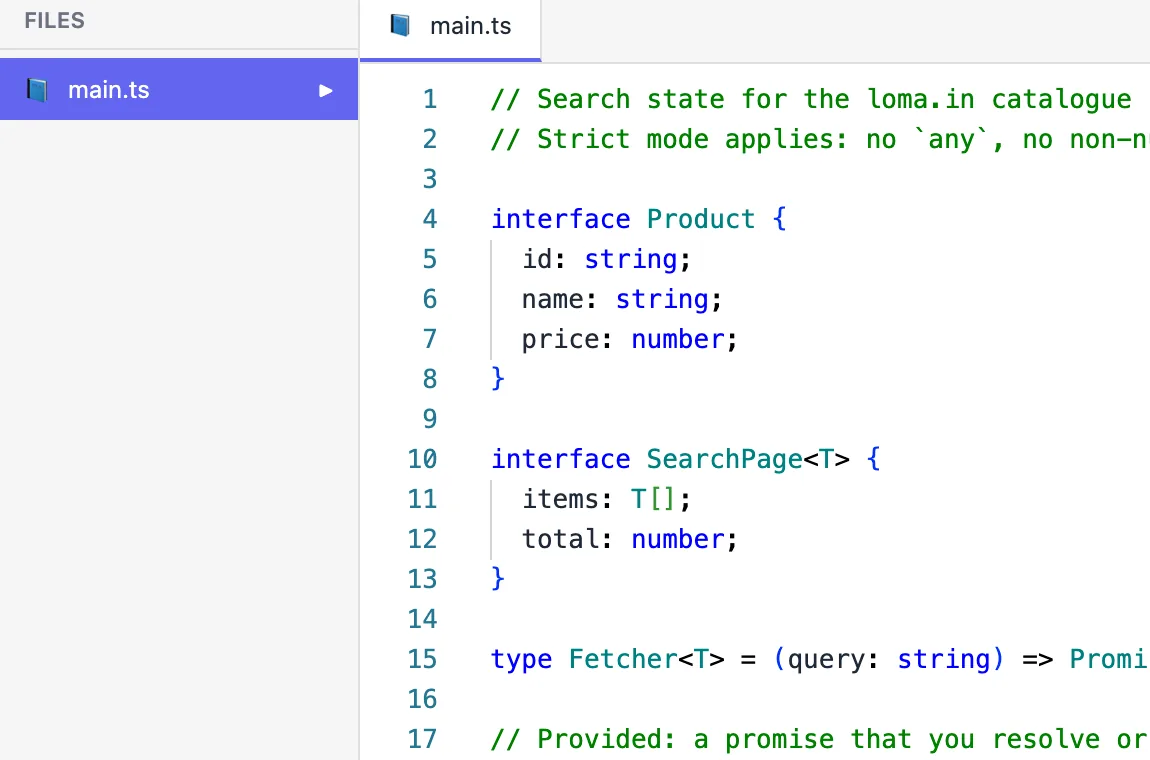
What a strong candidate did: Kept only the latest request’s results, gave loading, empty and error their own states with a retry, and wrote tests that reproduce the out-of-order case.
Web code in the browser
Accessible, responsive filter chips
A designer’s new filter panel works with a mouse on desktop. Nobody has checked it with a keyboard, a screen reader or a phone. The candidate is asked to finish it.
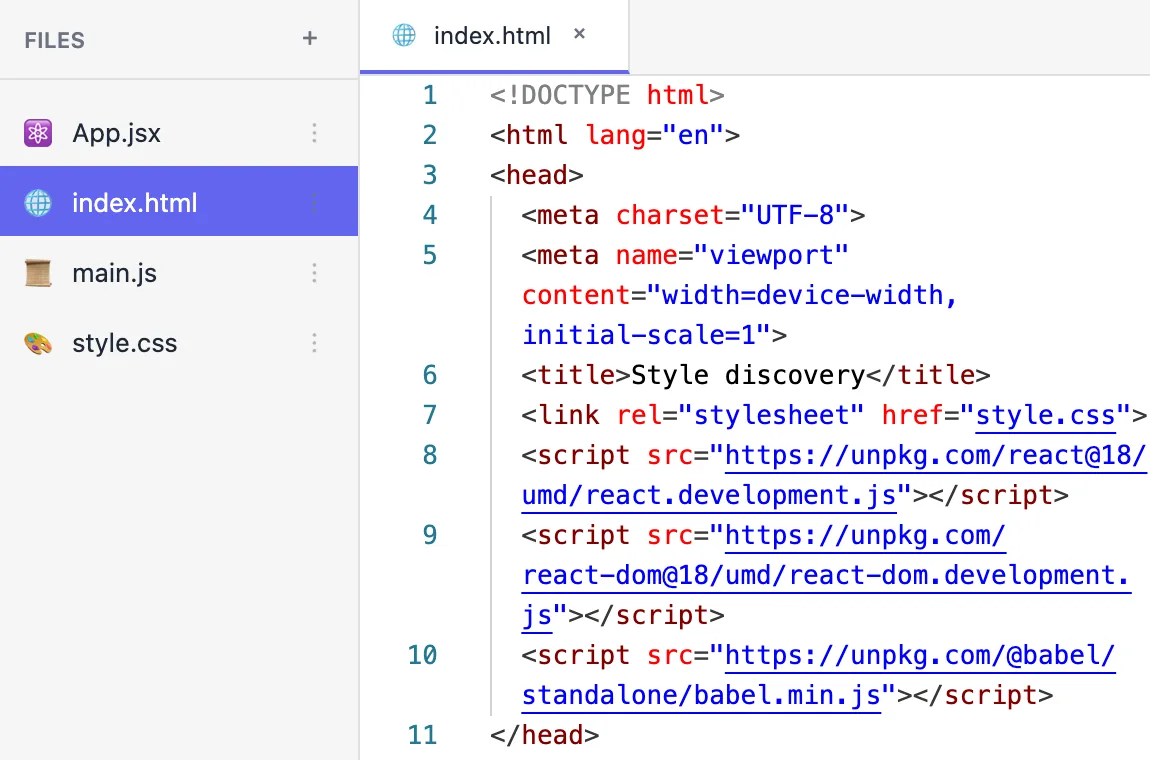
What a strong candidate did: Made every chip reachable and toggleable from the keyboard with a visible focus, announced the selected state to screen readers, and made the panel usable on a small phone without changing the design.
How the decision gets made
With Gateway, each React candidate works through situations written from your own job description, such as a slow screen, a state bug or an accessibility gap, in a real code editor with your stack's frameworks. Your engineering lead sees every skill scored with the reason and can open the candidate's code read-only, then invites only the people whose work holds up. The technical interview becomes a conversation about decisions the candidate already made, not a first look at whether the candidate can code.
See your next React developer at work before you meet them
Paste your job description and Gateway writes the assessment in about 5 to 10 minutes. Your team can edit every question before it goes out.
Questions
Can the assessment use our own stack, like Next.js or React Native?
Yes. Gateway writes the assessment from your job description, so the tasks use the frameworks and libraries your role mentions. Your team can read and edit every question before it goes out.
How long does it take to set up an assessment for a React developer?
About 5 to 10 minutes from a job description. Paste it in, review the tasks, change anything you want, and send one link to each candidate.
Will it tell us whether a candidate understands performance, or only syntax?
The tasks are situations, not trivia. A candidate fixing a slow, jumpy page has to decide what to measure and what to change, and the score for each skill comes with the reason, so your lead can see the reasoning behind each choice.
Does this replace our technical interview?
No. It decides who is worth that interview. Your engineers meet fewer candidates, and they start the conversation already knowing how each person handled real work.
Can candidates use AI tools during the task?
You choose. A standard assessment keeps the work to the candidate. An AI-assisted assessment allows an assistant, and your team sees how each candidate worked with it, which matters when your developers use one every day.
Related