Hire a cryptocurrency developer whose deposits and withdrawals always reconcile
A cryptocurrency developer usually builds the money paths of an exchange, wallet or payments product: crediting deposits once, sending withdrawals safely, and keeping the internal ledger equal to what is on-chain. Mistakes there cost real funds, so the sensible way to choose is to see each candidate fix a real deposit or reconciliation problem before anyone is interviewed.
What the hiring manager needs from a cryptocurrency developer
Employers who use this title are rarely building a new coin. They run a product that holds or moves customers' cryptocurrency, and they need a backend developer who understands confirmations, fees, hot and cold wallets, and how UTXO coins such as Bitcoin differ from account-based chains. The head of engineering, and often finance and compliance, depend on every balance being explainable.
A deposit credited twice, or not at all
The deposit watcher restarted overnight. Some customers saw the same deposit credited twice while others are still waiting. The developer makes crediting idempotent, waits for the right number of confirmations per coin, and identifies which accounts need correcting.
Withdrawals stuck when fees spike
Network fees jump and a batch of withdrawals sits unconfirmed. A strong cryptocurrency developer knows how to bump fees with replace-by-fee or child-pays-for-parent where the coin allows it, and tells support what to say in the meantime.
A ledger that does not match the wallets
Finance runs the month-end check and the internal ledger is off from on-chain balances by a small amount. The developer traces the gap to fees, dust or a missed internal transfer, and adds a daily reconciliation so the next gap is caught the following morning.
Adding a new coin
Listing a coin that needs a memo or destination tag, or uses a different address format, looks small until deposits arrive without the tag. The developer reads how the coin really works before writing any code.
Where hiring a cryptocurrency developer usually goes wrong
- Hiring for trading or market knowledge
- Candidates who follow prices closely can talk well about crypto. The role is money movement and correctness, which has little to do with predicting markets.
- Skipping the operational questions
- Who can sign a withdrawal, how keys are split between hot and cold storage, and what happens when a node is down rarely come up in coding rounds. They decide whether the product loses customer funds.
- Testing on a single chain
- A developer who has only worked with one account-based chain may assume every coin behaves that way. Exchanges and wallets support several, and UTXO handling trips up people who have never done it.
- No check on how incidents get explained
- When a withdrawal is delayed, support and finance need a plain explanation fast. A candidate who can fix the code but cannot explain it leaves the rest of the company guessing.
Real tasks from a Gateway assessment
These come from a Gateway assessment for a backend engineer, with the employer’s name taken out. Gateway writes every assessment from your own job description, so the tasks your candidates get are built around your role.
Code, then a short written note
Payment webhook handler for invoice updates
A billing product for home-services businesses learns about each payment from a provider webhook. Some homeowners got two receipts for one payment, and some paid invoices still show as unpaid. The candidate owns the handler.
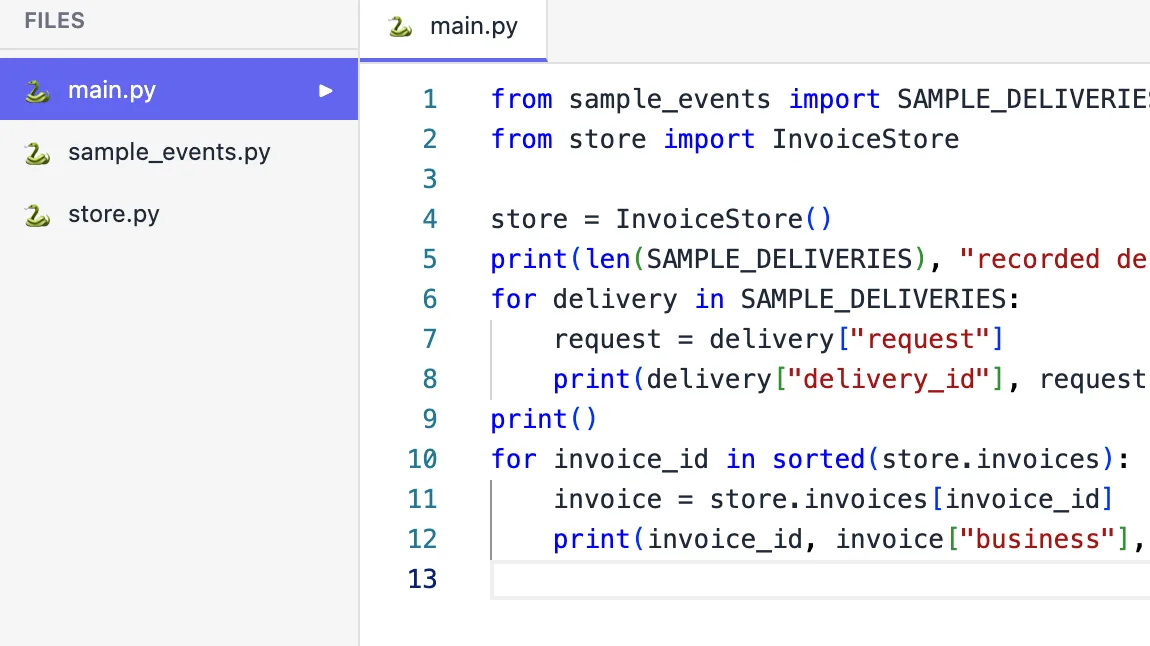
What a strong candidate did: Made the handler safe to receive the same event twice, ignored events that arrive out of order, and showed both reported bugs fixed with tests. The note told billing operations which past invoices to re-check.
SQL, then a written note
Stale answers from the support assistant’s knowledge base
An AI support assistant answers from help articles that a nightly job splits, embeds and stores. Customers are getting answers from articles that were changed or removed weeks ago.
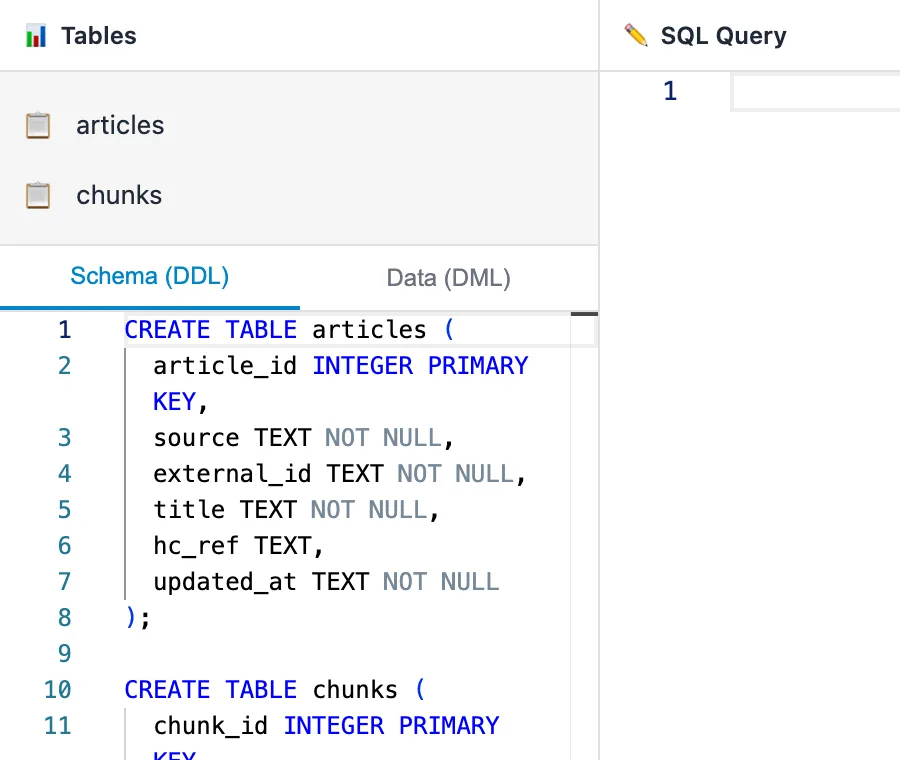
What a strong candidate did: Found in the data which articles were stale and why the refresh skipped them, sized how many answers were affected, and proposed a refresh that removes deleted articles as well as adding new ones.
How the decision gets made
Gateway gives each cryptocurrency developer candidate situations written from your own job description, for example duplicate payment events that credit a customer twice, or stale records to trace in SQL, worked in code and SQL with a short written note for operations or finance. The hiring manager sees each skill scored with written feedback, opens the code and queries read-only, and meets only the developers whose handling of customer funds would pass a finance review.
See your next cryptocurrency developer at work before you meet them
Paste your job description and Gateway writes the assessment in about 5 to 10 minutes. Your team can edit every question before it goes out.
Questions
Can the assessment cover Bitcoin-style and Ethereum-style chains together?
If your job description covers both, the assessment will too. Your team can read and edit every question, for instance to add a UTXO case or a coin that needs a memo tag.
Can finance or compliance review a candidate's result?
Results can be shared with anyone involved in the hire, along with a note. They open the candidate's work read-only and see the score and feedback for each skill.
Do candidates need to install anything?
Candidates need a laptop or desktop and the one link you send. Each step explains what it involves before the candidate starts it.
How do we stop candidates sharing the tasks?
Every assessment is written for your role, so there is no common bank to leak. For more assurance, switch on one of the four monitoring levels and review the test replay. Gateway flags nothing as cheating by itself; your team decides.
Related