Hire a DBA who can restore, tune and recover a live database
A DBA is hired to keep production databases available, recoverable and fast enough, and to stay methodical when one of those breaks in the middle of a shift. Certifications and years on a version say little about that, so the way to tell candidates apart is to watch each one work through a real slowdown, a restore request or a lagging replica before your team books interviews.
What the hiring manager needs from a DBA
Whoever hires a DBA usually has an on-call rota that is too thin, backups nobody has restored in a while, and an application team that blames the database every time a page loads slowly. The manager needs one person who finds the cause during an incident, recovers data without guessing, and leaves the system sturdier than the last outage left it.
The primary is slow and the pager is going off
Connections pile up, the application times out, and someone in the incident channel suggests a restart. A capable DBA looks at what is actually running, finds the blocking session or the plan that changed overnight, and fixes that, because a restart that hides the cause guarantees a repeat next week.
A restore that has never been rehearsed
A script deleted rows from a production table and the owner wants them back as they were before the mistake. The DBA has to know whether point-in-time recovery is possible with the backups and logs that exist, how long it will take, and how to restore into a side copy so the live system keeps serving.
Replicas falling behind before a busy period
Read replicas lag and reports show stale numbers. The DBA works out whether a long transaction, a heavy batch, disk or network is the cause, and says plainly what the lag means for failover if the primary dies during that window.
Patches and upgrades without a long outage
Security patches and major version upgrades arrive whether the business is ready or not. The DBA plans the order, tests the rollback on a copy, and tells application owners exactly what may break and when they will hear about it.
Where hiring a DBA usually goes wrong
- Trusting the certificate over the runbook
- A vendor certificate shows someone studied the product. It does not show whether the candidate checks that a backup actually restores, which is the only question that matters on the night a table goes missing.
- Quizzing parameters instead of reading a wait
- Asking a candidate to recite what a setting does tests memory. Outages get solved by reading wait events, lock chains and execution plans under pressure, and a verbal quiz never puts anyone in that seat.
- Ignoring how the candidate writes during an outage
- While the incident is open, the DBA updates support, product and leadership and still works the problem. Someone who fixes the database but leaves everyone guessing for an hour hands the manager a second incident to clean up.
- Assuming one engine means all engines
- Many teams run more than one database product. A candidate who is quick with one engine's tooling may be slow on another's, so the test should use the engine your on-call rota really supports.
Real tasks from a Gateway assessment
These come from a Gateway assessment for a data engineer, with the employer’s name taken out. Gateway writes every assessment from your own job description, so the tasks your candidates get are built around your role.
SQL, then a written note
Inflated spend in a feature table
A strategist summed ad spend from the feature table behind an automated ads optimizer and found it far above the billing report for the same days. A data scientist trains a model on the same table.
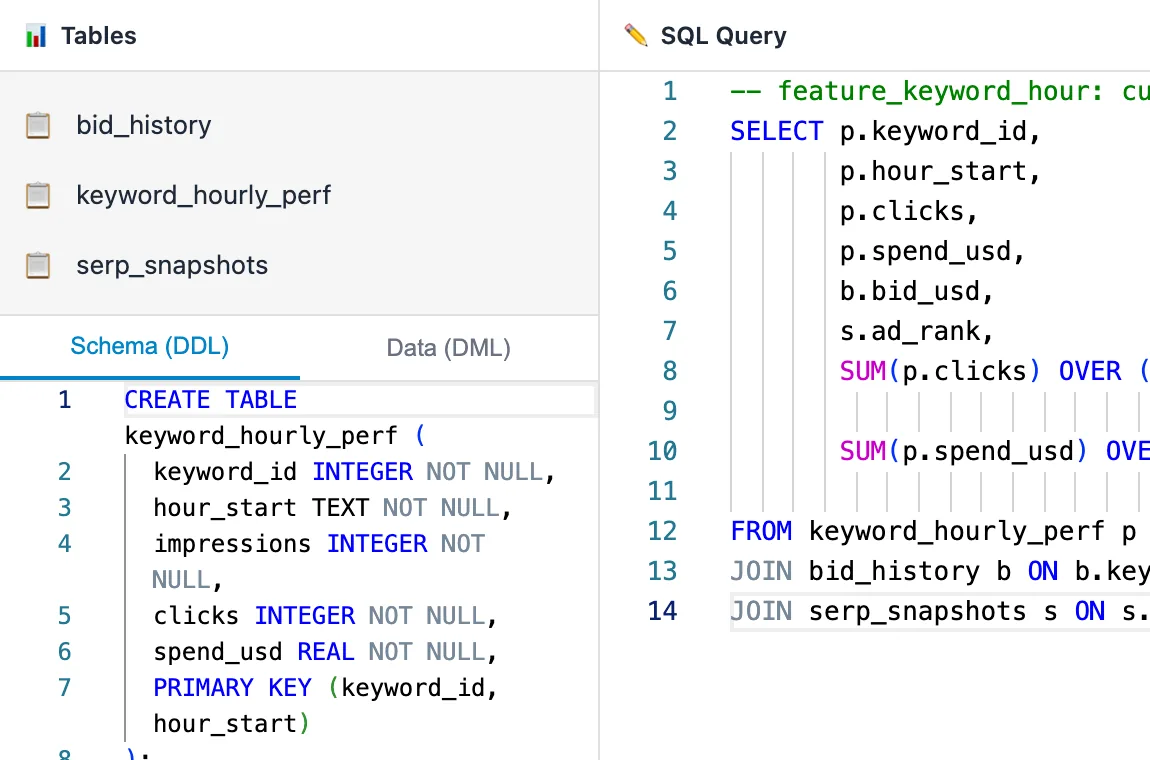
What a strong candidate did: Found the join that multiplied spend, fixed the query so totals tie to billing, and told the data scientist which training days were affected.
SQL, then a short update
Why did model error jump after the overnight run
Error in the latest model metrics is far higher than last week. The data scientist cannot yet say whether the models got worse or the data feeding them did, and the engineering manager needs an answer before the morning.
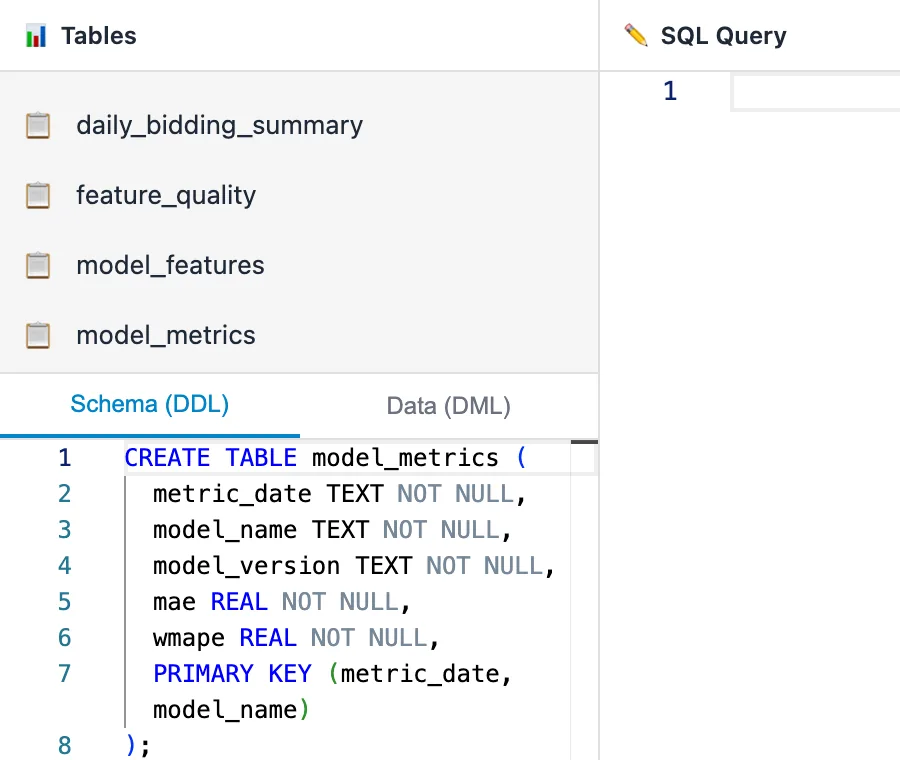
What a strong candidate did: Showed from the data that an upstream feed changed, not the models, pointed to the rows and the time it started, and wrote the update in words the manager could act on.
How the decision gets made
With Gateway, each DBA candidate gets situations drawn from your job description: a production query that slowed without warning, a recovery request with a deadline, a lag alert on a replica. Candidates investigate in SQL, then write the incident update or recovery steps they would send, or record a walkthrough of how they would run the failover. The hiring manager sees a score and written feedback per skill and a tier from 1 to 5, opens the candidate's queries read-only, and spends on-call interviews only on people who already showed sound judgement under pressure.
See your next DBA at work before you meet them
Paste your job description and Gateway writes the assessment in about 5 to 10 minutes. Your team can edit every question before it goes out.
Questions
Can the situations match the incidents our rota actually gets?
Yes. Gateway drafts the assessment from your job description, and your team can rewrite any situation before it goes out, for example to describe your replication setup, your backup tool or the outage you had last quarter.
How do we see the diagnosis and not only the final answer?
Each candidate's queries and written steps open read-only in the tool the candidate used, beside a score and feedback for every skill. Your senior DBA can change any score, and your team makes the decision.
Do we have to watch DBA candidates while they work?
Monitoring is off unless you turn it on. There are four levels, from activity only up to camera on, with a replay of the test. Gateway never labels anyone a cheat by itself; your team looks at anything unusual and decides.
Our DBAs use AI tools on shift. Can candidates use one in the test?
You can run an AI-assisted assessment where the candidate may use an assistant. Your team then sees whether the candidate checked a suggested fix against the plan and the locks before trusting it, which is the habit you want on call.
Related