Hire a Django developer who keeps a growing product fast and safe
A Django developer earns a place by adding features to a Django product without slowing its pages, breaking its data or opening a permission hole. Django does a lot for you, which makes weak and strong candidates look alike on paper, so compare them by watching each one work on a real problem from your product before the interview round.
What the hiring manager needs from a Django developer
Most teams hiring a Django developer have a product that is already live: models that have grown for years, an admin the operations team depends on, a Django REST Framework API for the frontend or mobile app, and Celery tasks running in the background. The engineering lead needs someone who can change all of that without surprises.
A page that gets slower as customers grow
A list view runs a query for every row because related objects are fetched one at a time. A capable Django developer finds it with the debug toolbar or the query log, fixes it with select_related or prefetch_related, and checks that the serializer does not undo the fix.
A migration on a table with years of data
Adding a non-null column or changing a field type can lock a large table while the site waits. The developer has to split the change into safe steps, backfill in batches, and know when Django's generated migration is not good enough.
An API endpoint that shows another customer's data
A DRF viewset filters by object ID but forgets to filter by the requesting account. Checking querysets and permission classes for every endpoint is part of a Django developer's routine, and the cost of skipping it is a data leak.
Celery tasks that run twice or never
A task retries after a timeout and sends a second invoice, or fails silently and nobody is told. Making tasks idempotent and visible, so operations can see what failed overnight, is everyday Django work in a product with background processing.
Where hiring a Django developer usually goes wrong
- Accepting the tutorial blog as experience
- Building a blog or a polls app with Django's tutorial shows familiarity with the framework's structure. It says nothing about query counts, migrations on live data or permission checks across many accounts.
- Interviewing on Python alone
- A candidate can be fluent in Python and still not know how the ORM turns a filter into SQL, or why a signal fires at the wrong moment. Django roles need the framework's behaviour tested directly.
- Not looking at how the ORM is used
- Many problems in Django products come from code that is short and readable but makes far too many queries. Unless someone reads the candidate's ORM code against real data, this goes unnoticed until after the hire.
- Forgetting the people who use the admin
- Operations and support teams often live in the Django admin. A developer who never considers them can ship model changes that make their daily work harder, and interviews rarely ask about it.
Real tasks from a Gateway assessment
These come from a Gateway assessment for a Python developer, with the employer’s name taken out. Gateway writes every assessment from your own job description, so the tasks your candidates get are built around your role.
SQL on a copy of the billing data, then a note
Find and fix duplicate subscription charges
Since a billing run, several customers say they were charged twice. Finance wants to know how many customers and how much money before issuing any refunds.
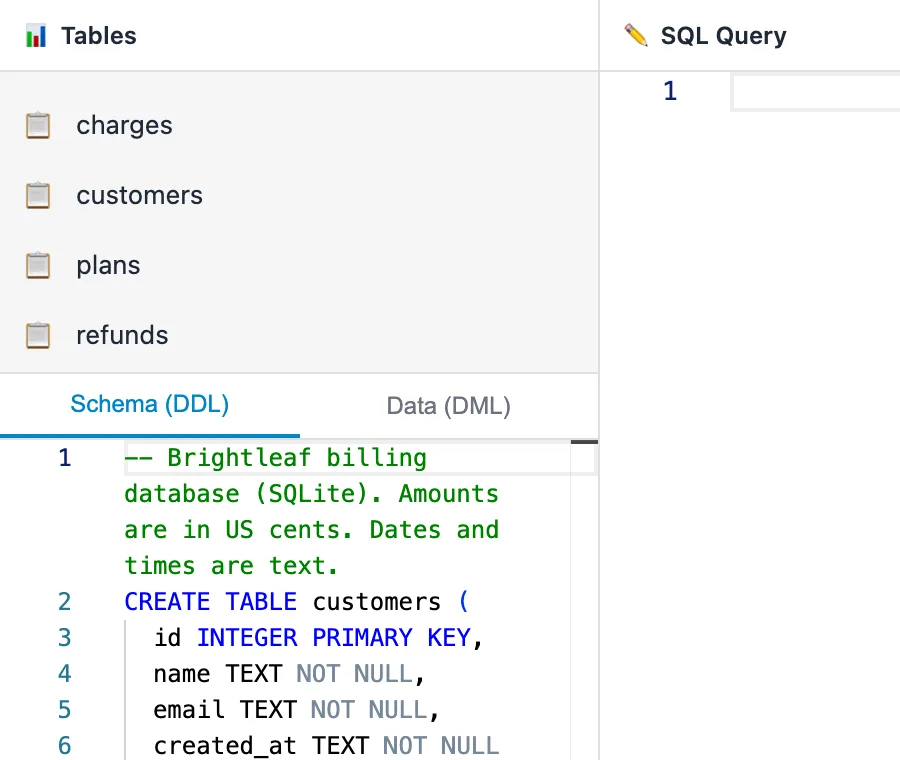
What a strong candidate did: Counted the affected customers and the exact amount, separated true duplicates from legitimate second charges, and explained the cause so it does not repeat next run.
Web code, then a short note
Job status page for a Python worker
An operations manager checks nightly background jobs each morning by asking in chat whether anything failed. She wants a simple internal status page that reads an API the backend developer is still building.
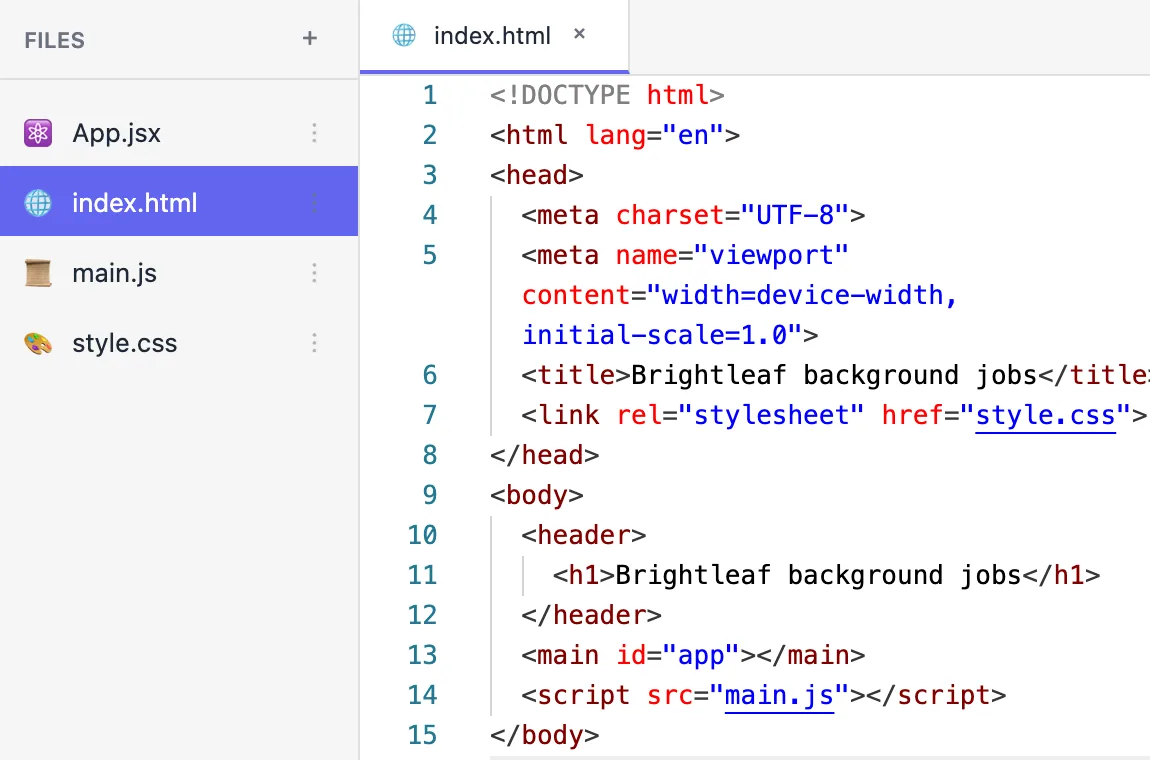
What a strong candidate did: Built a page that shows failures first, stays correct when the API is slow or returns partial data, and listed the two questions to settle with the backend developer.
How the decision gets made
In Gateway, each Django candidate gets situations written from your job description, such as tracing customers charged twice after a billing run in SQL, or building a status page for background tasks that stays correct when the API returns partial data. The work is done in SQL, Python or web code, with a short note to the person who raised the problem. Your engineering lead reads per-skill scores and feedback, opens the submitted work read-only, and spends interviews only on candidates whose queries and checks held up.
See your next Django developer at work before you meet them
Paste your job description and Gateway writes the assessment in about 5 to 10 minutes. Your team can edit every question before it goes out.
Questions
Can the tasks include Django REST Framework and Celery?
Yes, when your job description mentions them. Gateway writes the situations from your role, and your team can edit any task to name the parts of your stack you care about.
How is this different from assessing a general Python developer?
The tasks follow the role. A Django role is usually tested on data access, permissions, migrations and background tasks inside a web product, while a general Python role may lean on scripts, files and automation.
Does the hiring manager have to review every submission?
No. Every candidate gets a score and written feedback per skill, a tier from 1 to 5, and a mark against your line, so the lead can focus on the people above it and open any submission when needed.
Can we turn on monitoring for a remote assessment?
Monitoring is off by default and has four levels, from activity only to camera on, with a replay of the test. Gateway never labels a candidate as cheating on its own; your team reviews anything unusual.
Related