Hire a Laravel developer who ships features without slowing the app
A Laravel developer earns the role by shipping features quickly while keeping the database load sensible, the queues reliable and access rules tight. Laravel makes the first version look easy, so candidates often look alike on paper; the way to separate them is to see each candidate work on a real problem from your product before interviews.
What the hiring manager needs from a Laravel developer
Teams hiring a Laravel developer usually run a product built on it: Eloquent models, Blade or Livewire screens or an API for a frontend app, queued jobs on Redis, and a scheduler doing nightly work. The product lead needs someone who knows the conventions well enough to keep using them, and knows where they quietly cost performance or safety.
Eloquent relationships loaded one by one
A dashboard shows each customer's latest orders, and every row triggers new queries. A capable Laravel developer spots the N+1 pattern, uses eager loading or a better query, and checks that an accessor or appended attribute is not adding the queries back.
Queued jobs that fail without anyone noticing
Invoice emails sit in the failed jobs table for days. The developer has to set sensible retries and timeouts, make the job safe to run again, and use Horizon or alerts so operations hear about failures the same day.
A policy that misses one route
Most controllers check authorisation through policies, but a new API route skipped it and lets a user update another account's record. Laravel developers are expected to treat policies, gates and route model binding as part of every feature.
Mass assignment that writes the wrong field
A form request passes everything through to create(), and a user changes a field that should only be set by staff. Knowing what $fillable and validated input protect, and where they do not, is a Laravel-specific habit worth testing.
Where hiring a Laravel developer usually goes wrong
- Equating Laravel with general PHP skill
- A candidate strong in plain PHP may still misuse Eloquent or the service container, and a Laravel enthusiast may struggle once the code leaves the framework's conventions. The role needs both, and only real work shows the balance.
- Judging by a polished side project
- Laravel starter kits produce attractive apps quickly. A portfolio built on one shows little about queries, queues or authorisation once data volume and multiple customers arrive.
- Not checking database thinking
- Eloquent hides SQL well enough that some developers never look at it. Interviews that stay at the model level miss the habits that keep a Laravel app quick as tables grow.
Real tasks from a Gateway assessment
These come from a Gateway assessment for a backend engineer, with the employer’s name taken out. Gateway writes every assessment from your own job description, so the tasks your candidates get are built around your role.
Code, then a short written note
Payment webhook handler for invoice updates
A billing product for home-services businesses learns about each payment from a provider webhook. Some homeowners got two receipts for one payment, and some paid invoices still show as unpaid. The candidate owns the handler.
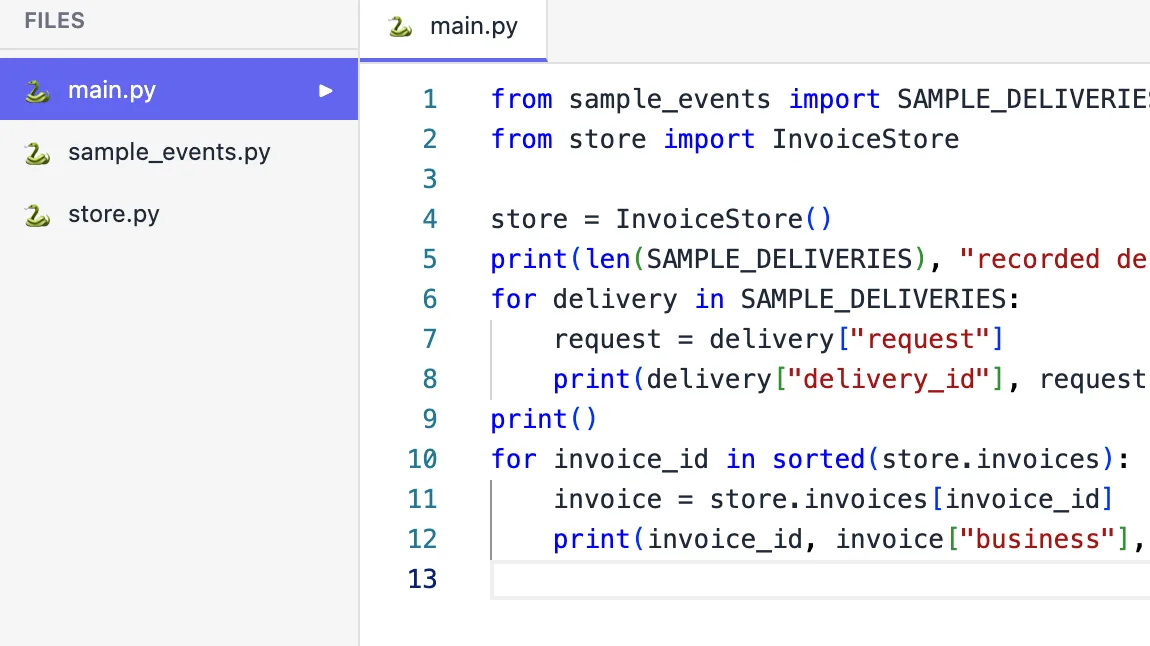
What a strong candidate did: Made the handler safe to receive the same event twice, ignored events that arrive out of order, and showed both reported bugs fixed with tests. The note told billing operations which past invoices to re-check.
A design on a whiteboard, then a written note
Nightly job ingestion from a partner scheduling API
Each night the product pulls changed jobs from a partner scheduling platform into PostgreSQL. At 06:00 a dispatch agent builds every business’s day plan from them, and dispatch teams start at 06:30. Jobs have been missing and duplicated.
What a strong candidate did: Designed an ingest that resumes from where it stopped, updates rather than duplicates, and finishes well before 06:00 with an alert if it will not. Named the one case that still needs a person to look.
SQL, then a written note
Stale answers from the support assistant’s knowledge base
An AI support assistant answers from help articles that a nightly job splits, embeds and stores. Customers are getting answers from articles that were changed or removed weeks ago.
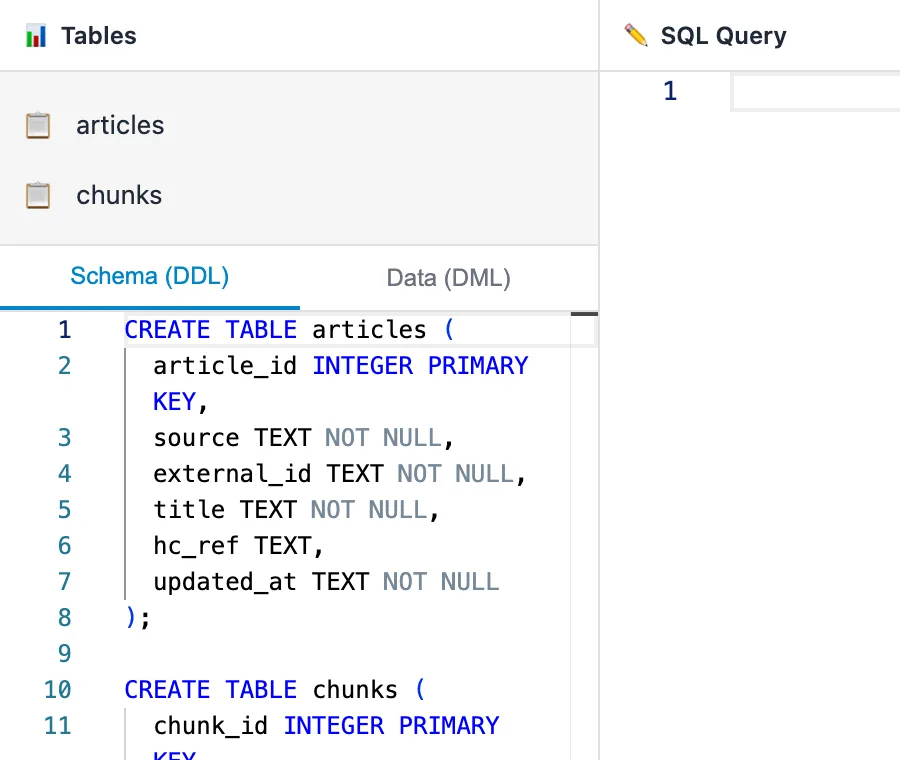
What a strong candidate did: Found in the data which articles were stale and why the refresh skipped them, sized how many answers were affected, and proposed a refresh that removes deleted articles as well as adding new ones.
How the decision gets made
With Gateway, each Laravel candidate works through situations written from your job description: a payment webhook that sends duplicate receipts, a nightly partner sync that misses and duplicates rows, a refresh job that leaves deleted content in place. Candidates work in code, a whiteboard design or SQL, and explain the fix in a short note. Your product lead sees each skill scored with the reason, opens every submission read-only, and invites to interview only the developers who made the process safe to repeat and easy to watch.
See your next Laravel developer at work before you meet them
Paste your job description and Gateway writes the assessment in about 5 to 10 minutes. Your team can edit every question before it goes out.
Questions
Can the assessment include Livewire, Inertia or an API-only Laravel setup?
Yes. The tasks are written from your job description, so they follow the way your Laravel product is built. Your team reads and edits each question before candidates receive it.
We also run an older plain PHP system. Can one assessment cover both?
Describe both in the job description and the situations can include each. One assessment can mix code, SQL and a written note, so you see how the candidate moves between them.
How quickly can we send an assessment to Laravel candidates?
Gateway drafts it from the job description in about 5 to 10 minutes. After your review, add candidates from a spreadsheet, an ATS export or resumes, and each gets one link and a deadline.
Will the hiring manager see why a candidate scored low?
Yes. Every skill has a score and written feedback explaining it, and the candidate's work opens read-only. Your team can change any score and makes the final call.
Can candidates use an AI assistant?
Only in an AI-assisted assessment, which you choose. There your team sees how each candidate worked with the assistant, including what the candidate accepted and what the candidate corrected.
Related