Hire a REST API developer who designs endpoints clients can rely on
A REST API developer designs resources and HTTP behaviour that clients can use without guessing: the right method and status code, pagination that holds up while data changes, and writes that are safe to retry. The way to tell candidates apart is to see each one design and fix real endpoints before your team schedules interviews.
What the hiring manager needs from a REST API developer
When the job title says REST specifically, the employer usually has an HTTP API at the core of the product, consumed by web and mobile clients or by customers, often documented in an OpenAPI spec. The API lead needs someone fluent in HTTP semantics, because small mistakes in status codes, caching or idempotency become bugs in every client at once.
A POST that the client retries
The mobile app times out on a slow connection and sends the create request again, so the order is created twice. A strong REST API developer adds an idempotency key or makes the operation a PUT on a known resource, and documents what a client should do on a timeout.
Pagination over a list that keeps changing
Offset paging skips and repeats items when new rows arrive between page requests. The developer moves to cursor-based pagination, keeps the response shape consistent and says in the spec how ordering works.
Errors returned as success
Legacy endpoints return a success status with an error message in the body, and every client handles it differently. The developer introduces consistent error responses with proper status codes, without breaking the clients that parse the old shape.
A new resource that has to fit the existing API
Product wants a new capability, and the quick version is an action endpoint that does not fit the rest of the API. The developer models it as a resource with clear URLs, methods and relationships, and updates the OpenAPI definition so client teams can generate code from it.
Where hiring a REST API developer usually goes wrong
- Assuming anyone who has written endpoints knows REST
- Many developers have built JSON over HTTP without thinking about methods, status codes or caching headers. The resume line reads the same, and the difference shows only when a client team starts filing bugs.
- Quizzing on definitions
- Asking a candidate to list HTTP verbs or explain statelessness tests memory. The useful test is whether the candidate makes a retried request safe, or chooses a pagination scheme that survives concurrent writes.
- Ignoring the spec as part of the job
- An endpoint that works but is undocumented or out of step with its OpenAPI file costs every consumer time. Hiring processes rarely ask the candidate to write or update the contract, so that habit goes unchecked.
- Overlooking backward compatibility
- Renaming a field is easy in your codebase and painful for a client released months ago. Candidates who have only built APIs for their own frontend often do not think about that until after a release.
Real tasks from a Gateway assessment
These come from a Gateway assessment for a backend engineer, with the employer’s name taken out. Gateway writes every assessment from your own job description, so the tasks your candidates get are built around your role.
Code, then a short written note
Payment webhook handler for invoice updates
A billing product for home-services businesses learns about each payment from a provider webhook. Some homeowners got two receipts for one payment, and some paid invoices still show as unpaid. The candidate owns the handler.
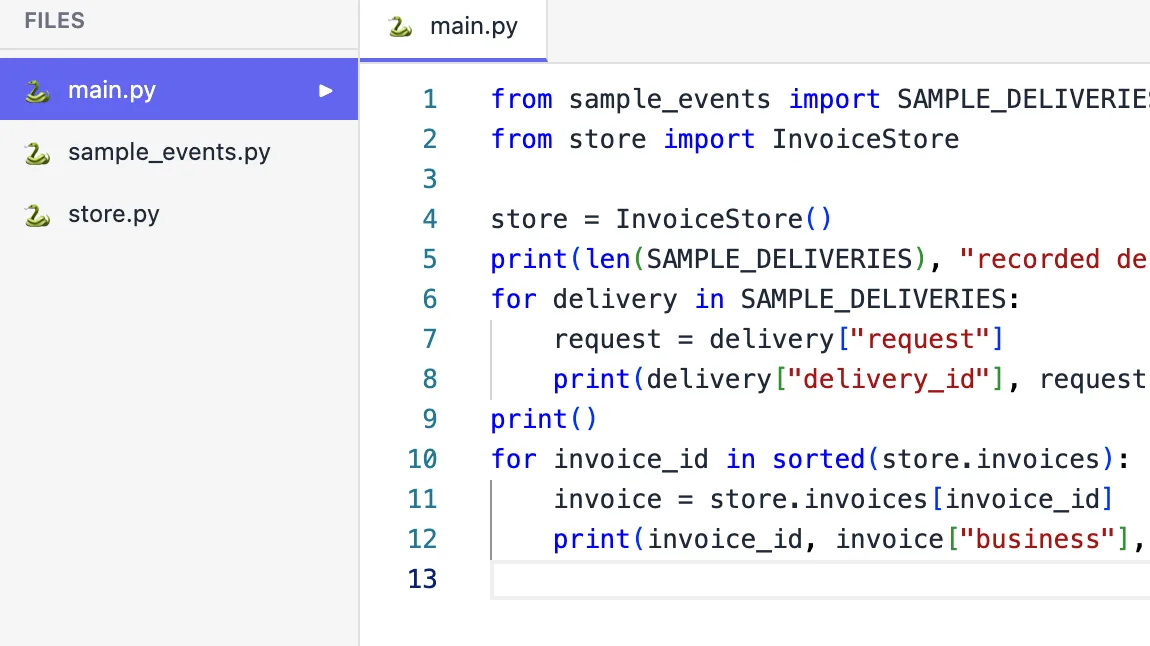
What a strong candidate did: Made the handler safe to receive the same event twice, ignored events that arrive out of order, and showed both reported bugs fixed with tests. The note told billing operations which past invoices to re-check.
SQL, then a written note
Stale answers from the support assistant’s knowledge base
An AI support assistant answers from help articles that a nightly job splits, embeds and stores. Customers are getting answers from articles that were changed or removed weeks ago.
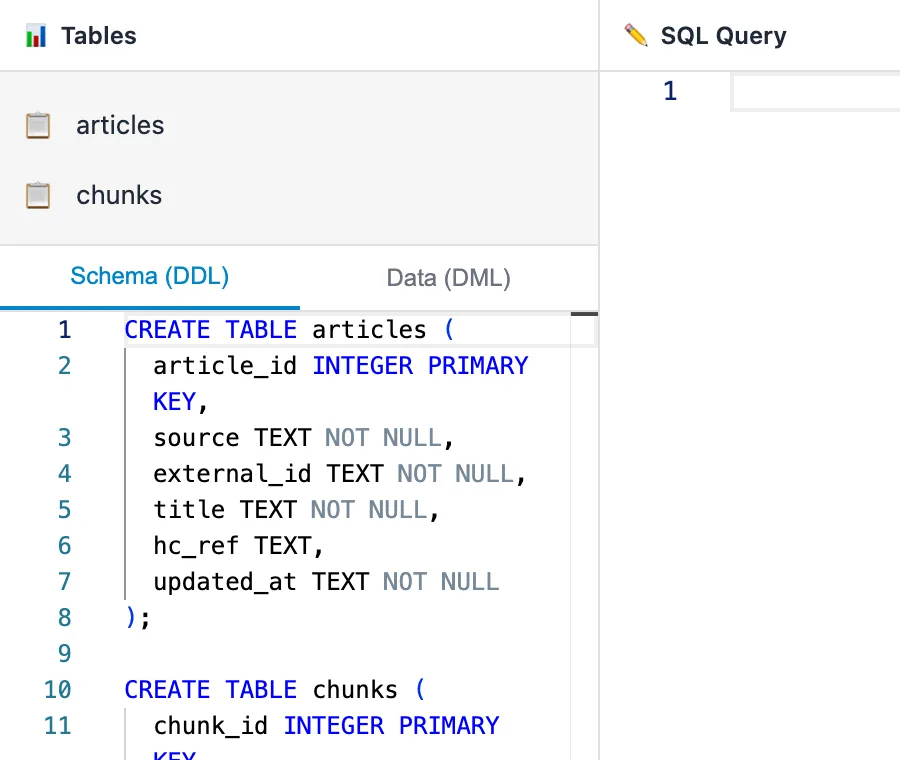
What a strong candidate did: Found in the data which articles were stale and why the refresh skipped them, sized how many answers were affected, and proposed a refresh that removes deleted articles as well as adding new ones.
A design on a whiteboard, then a written note
Nightly job ingestion from a partner scheduling API
Each night the product pulls changed jobs from a partner scheduling platform into PostgreSQL. At 06:00 a dispatch agent builds every business’s day plan from them, and dispatch teams start at 06:30. Jobs have been missing and duplicated.
What a strong candidate did: Designed an ingest that resumes from where it stopped, updates rather than duplicates, and finishes well before 06:00 with an alert if it will not. Named the one case that still needs a person to look.
How the decision gets made
With Gateway, REST API developer candidates work through situations written from your job description: a webhook endpoint that records the same payment twice, stale data that a refresh job failed to remove, or a nightly pull from a partner API. Candidates write code, SQL and a short note explaining the HTTP behaviour they chose. The API lead sees a score and written feedback for every skill, opens the code read-only, and invites to interview only the candidates whose endpoints a client team could build against.
See your next REST API developer at work before you meet them
Paste your job description and Gateway writes the assessment in about 5 to 10 minutes. Your team can edit every question before it goes out.
Questions
Can the assessment check REST design, not only whether the code runs?
Yes. Situations can ask for a design decision, such as how to make a retried create safe or how to paginate a changing list, and the written feedback for each skill explains what the candidate chose and why it scored as it did.
We document our API in OpenAPI. Can candidates work with that?
Gateway writes tasks from your job description, so if the role mentions OpenAPI, the situations can include reading or updating a contract. Your team can edit any question before it goes out.
How quickly can we have an assessment ready?
About 5 to 10 minutes after you paste in the job description. Then review the tasks and send each candidate one link with a deadline.
Can our API lead change a score?
Yes. Gateway scores each skill and gives a tier from 1 to 5, but your team can change any score and makes the final decision.
Can candidates use AI coding assistants?
Only if you choose an AI-assisted assessment. Then your team sees how each candidate worked with the assistant, including whether the candidate caught the status codes or retry cases it got wrong.
Related