Hire a software engineer who can ship fixes in the code you already have
A software engineer earns the seat by picking up tickets in a codebase someone else wrote, fixing the actual cause of a bug and shipping it with tests the team trusts. Degrees and puzzle scores rarely predict that, so the way to separate candidates is to see each one change real code against a real bug report before your engineers give up an afternoon to interviews.
What the hiring manager needs from a software engineer
When a team asks for a software engineer, it usually means a capable generalist who joins an existing product, learns the code quickly and takes a steady share of the backlog. The engineering manager wants someone who closes tickets properly, so that fixed bugs stay fixed and nobody senior has to redo the work.
A bug report written by support, not by an engineer
The ticket says a customer was charged twice and attaches a screenshot. The engineer has to reproduce it, follow the request through code nobody on the team has touched in a year, and fix the cause instead of patching the symptom on the screen where it showed up.
A feature in an unfamiliar corner of the product
Within the first weeks the new engineer gets a change in a module with thin documentation and an owner who has left. Reading existing code, asking the right person a precise question and matching the conventions already there matters more than how the engineer would have written it from scratch.
A schema change on data customers already depend on
Adding a column is easy; changing what an existing column means is not. A good software engineer thinks about rows already in production, writes a migration that can be rolled back and checks what else reads that table.
Code review in both directions
The engineer's pull requests should be small enough to review and explain why the change is safe. When reviewing a teammate's work, the engineer should catch a missing error path or an unhandled retry, and say so plainly without rewriting the whole thing.
Where hiring a software engineer usually goes wrong
- Reading the college and the last employer
- A known university or a well-known previous company says the candidate once passed someone else's filter. It says little about whether the person can debug a failing integration in your stack this month.
- Puzzle rounds standing in for engineering
- Timed algorithm questions reward practice on algorithm questions. The everyday work of a software engineer is reading code, tracing data and writing tests, and teams that filter on puzzles often meet those gaps only after the offer is signed.
- Counting languages on the resume
- A list of seven languages and a dozen frameworks usually means brief contact with each. What predicts a productive first quarter is depth in the language your codebase is written in and the habit of testing what was changed.
- Skipping the written part of the job
- Engineers write pull request descriptions, incident notes and replies to support. A candidate who fixes the bug but cannot tell billing operations which invoices to re-check leaves the manager to do that part.
Real tasks from a Gateway assessment
These come from a Gateway assessment for a backend engineer, with the employer’s name taken out. Gateway writes every assessment from your own job description, so the tasks your candidates get are built around your role.
Code, then a short written note
Payment webhook handler for invoice updates
A billing product for home-services businesses learns about each payment from a provider webhook. Some homeowners got two receipts for one payment, and some paid invoices still show as unpaid. The candidate owns the handler.
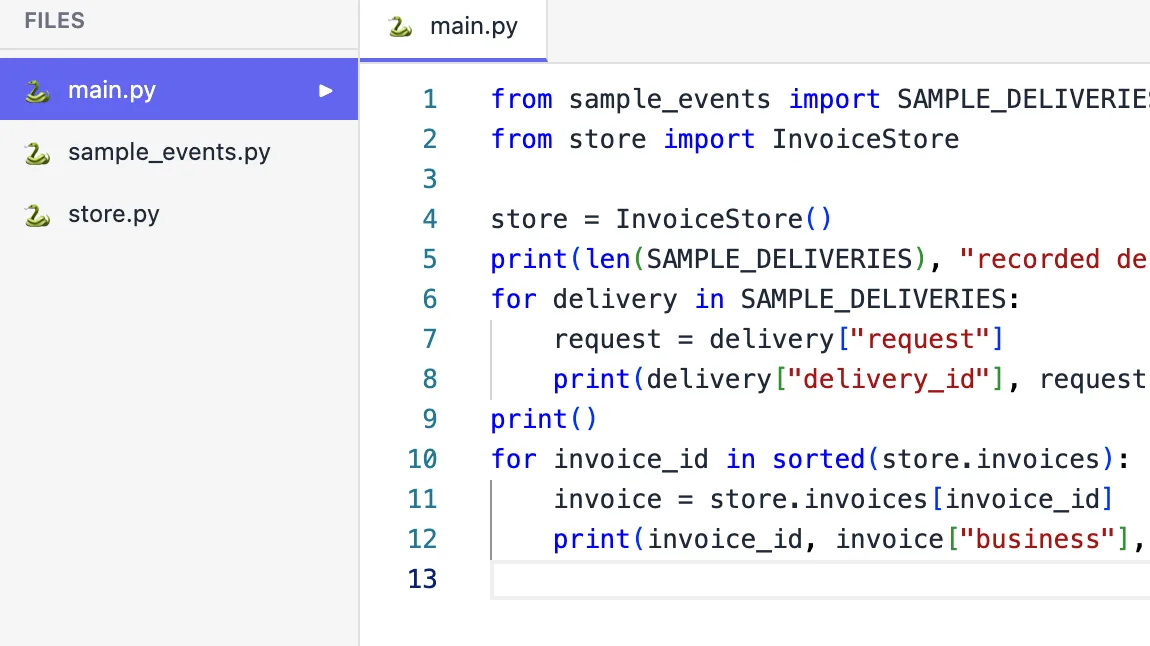
What a strong candidate did: Made the handler safe to receive the same event twice, ignored events that arrive out of order, and showed both reported bugs fixed with tests. The note told billing operations which past invoices to re-check.
A design on a whiteboard, then a written note
Nightly job ingestion from a partner scheduling API
Each night the product pulls changed jobs from a partner scheduling platform into PostgreSQL. At 06:00 a dispatch agent builds every business’s day plan from them, and dispatch teams start at 06:30. Jobs have been missing and duplicated.
What a strong candidate did: Designed an ingest that resumes from where it stopped, updates rather than duplicates, and finishes well before 06:00 with an alert if it will not. Named the one case that still needs a person to look.
SQL, then a written note
Stale answers from the support assistant’s knowledge base
An AI support assistant answers from help articles that a nightly job splits, embeds and stores. Customers are getting answers from articles that were changed or removed weeks ago.
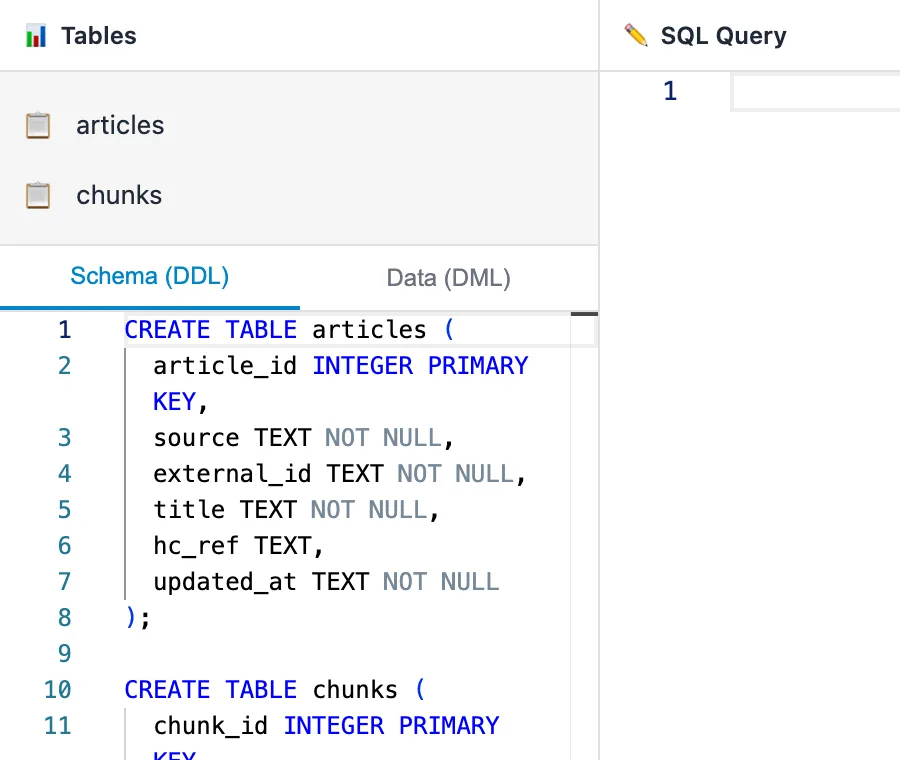
What a strong candidate did: Found in the data which articles were stale and why the refresh skipped them, sized how many answers were affected, and proposed a refresh that removes deleted articles as well as adding new ones.
How the decision gets made
With Gateway, each software engineer candidate works through situations written from your own job description: fixing a handler that double counts, designing a job that has to finish before the morning, or tracing stale data with SQL, then writing a short note on what changed. The engineering manager sees a score and written feedback for every skill, can open the candidate's code read-only, and invites only the people whose fixes would survive review. The interview then starts from decisions the candidate already made in front of you.
See your next software engineer at work before you meet them
Paste your job description and Gateway writes the assessment in about 5 to 10 minutes. Your team can edit every question before it goes out.
Questions
Our software engineer role covers backend and some frontend. Can one assessment cover both?
Yes. Gateway writes the assessment from your job description, so if the role mentions both, the situations can include server code and web code. Your team reads and edits every question before any candidate sees it.
Which language will candidates write in?
The language and frameworks your job description names. Candidates work in code, SQL, a whiteboard or a written note depending on what each situation calls for.
How much time does setting it up take?
About 5 to 10 minutes from a job description. You review the tasks, change what you want, and send each candidate one link with a deadline.
Can we see the code a candidate wrote, or only a score?
Both. Every skill has a score and written feedback, the candidate gets a tier from 1 to 5, and any candidate's work opens read-only in the same tool, so a reviewer can read the actual diff. Your team can change any score and makes the final decision.
What stops a candidate from pasting in an answer from somewhere else?
The tasks come from your job description, so there is no circulating question bank to copy from. Monitoring is off by default and can be raised through four levels up to camera on, with a replay. Gateway never marks anyone as cheating on its own; your team reviews anything unusual.
Related