Hire a lead software engineer who keeps a team shipping, and still codes
A lead software engineer is accountable for what a small team ships: breaking work down, setting the technical standard, unblocking engineers and telling product early when a date is at risk, while still writing code. The way to tell candidates apart is to see each one plan a real team problem in writing and on a whiteboard before your leadership spends time on interviews.
What the hiring manager needs from a lead software engineer
Employers who advertise a lead software engineer usually want a hands-on technical lead for one team. The head of engineering needs a person who turns a roadmap item into work the team can actually deliver, owns the team's on-call and quality, and reports progress honestly, so the head of engineering is not managing every ticket personally.
A roadmap commitment the team cannot meet as planned
Product has promised a feature for the quarter and the estimate does not fit. The lead has to cut the scope into something shippable, show which parts can follow, and have that conversation with product before the deadline instead of after it.
Splitting one project across several engineers
A migration touches the API, a background job and the admin screens. The lead decides the order, draws the boundaries so engineers do not block each other, and keeps the critical piece close enough to review it carefully.
Releases that keep surprising people
Deploys break things on Fridays and nobody can say whether delivery is getting better. A good lead pulls release and incident history into one picture the team agrees with, and picks a small number of measures to improve, which is exactly what the head of engineering will ask for.
Ownership that has drifted
Some services have no clear owner, so alerts land on whoever happens to be awake. The lead proposes who owns what, how on-call rotates and how the handover happens, without leaving a gap in cover during the change.
Where hiring a lead software engineer usually goes wrong
- Promoting the fastest coder by default
- The engineer who closes the most tickets is often the obvious pick and often struggles once the job becomes unblocking others. Coding speed and team throughput are different skills, and a lead hire is judged on the second.
- Hiring on leadership vocabulary
- Candidates can talk fluently about agile ceremonies, psychological safety and velocity. None of it shows whether the person can take a slipping project and produce a plan the team believes.
- A coding round and nothing else
- Many lead loops reuse the senior engineer interview. That confirms the candidate can still code, which matters, but skips the planning, prioritising and writing that fill most of a lead's week.
- Not reading anything the candidate writes
- A lead's plans, status notes and escalations are read by product, leadership and the team. If the hiring process never asks for a written plan, the first one the hiring manager sees is in production.
Real tasks from a Gateway assessment
These come from a Gateway assessment for an engineering leader, with the employer’s name taken out. Gateway writes every assessment from your own job description, so the tasks your candidates get are built around your role.
A structure on a whiteboard, then a written note
Restructure one flat team into leads and owned services
Thirty-five engineers report directly to the director, with uptime and response-time promises in enterprise contracts. The founders want a proposed structure before anything is announced.
What a strong candidate did: Grouped engineers around the services customers depend on, named what each lead owns, and planned the change so on-call cover never drops.
A spreadsheet, then a written note
A first delivery baseline from release and incident history
In their first week, a new engineering director finds that releases “feel unpredictable” and nobody has one delivery number for the company. Four teams describe their work differently.
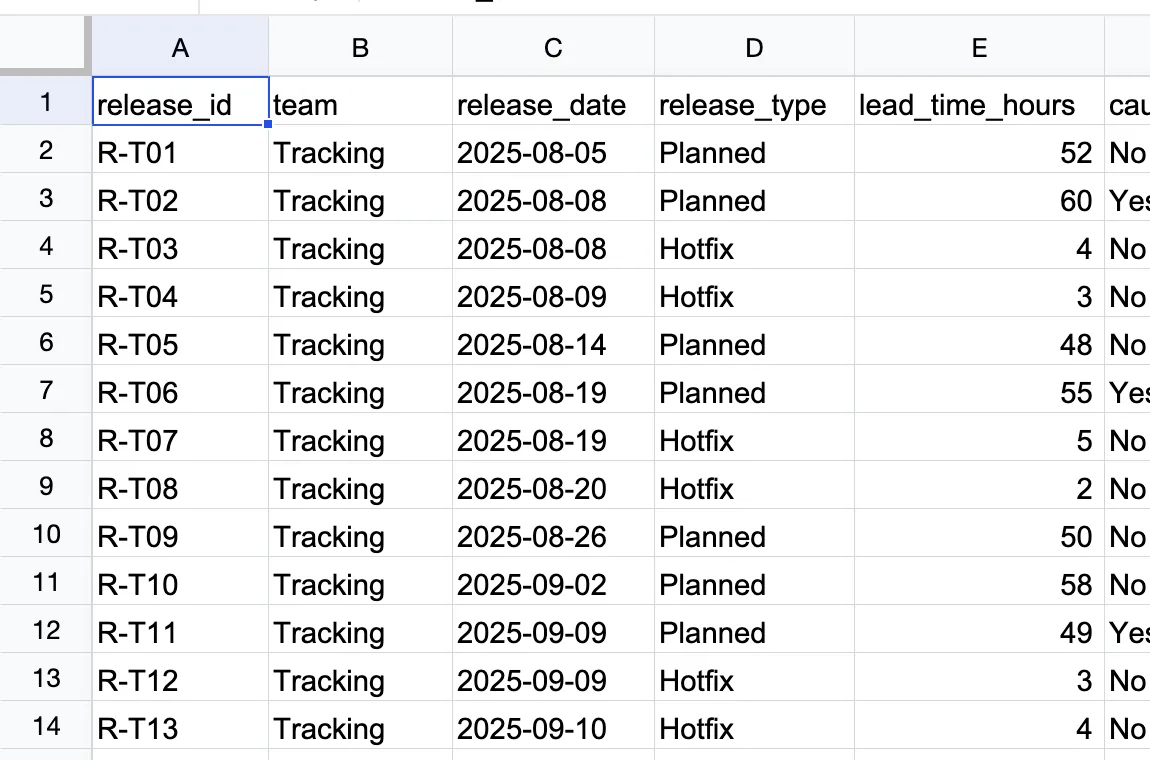
What a strong candidate did: Built one baseline from release and incident history that every team can recognise, showed where delivery is actually slow, and set two measures to track for the next 60 days.
How the decision gets made
With Gateway, lead software engineer candidates work through team-level situations written from your job description: restructuring ownership of services, building a delivery baseline from release history, or planning a slipping piece of work. Candidates use a whiteboard, a spreadsheet and a written note, and can be given a code task too if the role is hands-on. The head of engineering reads scored feedback per skill, opens each plan read-only, and meets only the candidates whose plans could be handed to a team on Monday.
See your next lead software engineer at work before you meet them
Paste your job description and Gateway writes the assessment in about 5 to 10 minutes. Your team can edit every question before it goes out.
Questions
Our lead role is half coding, half leading. Can one assessment cover both?
Yes. Gateway writes it from your job description, so a planning task on a whiteboard or spreadsheet can sit next to a code task in the same assessment. Your team can edit every question before it goes out.
How is a lead software engineer different from an engineering manager on Gateway?
The assessment follows your description of the role. A lead role usually gets situations about technical planning, ownership and delivery for one team, while a manager role leans toward people, hiring and cross-team structure.
Can the hiring manager see the plan itself, not just a score?
Yes. Any candidate's work opens read-only in the same tool, alongside a score and written feedback for each skill. Results can be shared with the hiring manager with a note.
Could we use async video for the conversation after the assessment?
Yes. For senior roles, continuous async video interviews let the head of engineering and panel record their questions once; candidates answer before a deadline, and the panel votes and leaves notes while the hiring manager decides.
Does Gateway decide who becomes our lead?
No. It scores the work, gives a tier from 1 to 5 and shows whether each candidate meets your line. Your team can change any score and makes the decision.
Related