Hire a PHP developer who can improve the code you already run
A PHP developer is worth the hire when the PHP application that runs your business gets safer, faster and easier to change with every release, without a risky rewrite. PHP resumes range from template edits to large custom systems, so the way to see the difference is to have each candidate work on a real backend problem before you schedule interviews.
What the hiring manager needs from a PHP developer
Many companies hiring a PHP developer have a system that has earned money for years: custom PHP with its own conventions, maybe some WordPress or an older framework, and parts nobody has touched since the person who wrote them left. The hiring manager needs someone who respects what works, improves what does not, and does not break checkout on a Friday.
An upgrade from an old PHP version
The server still runs PHP 7, and hosting support is ending. Moving to PHP 8 means fixing deprecated functions, stricter type behaviour and libraries that stopped being maintained, while keeping the live site running throughout.
Queries built by joining strings
Older parts of the code build SQL from request values directly. A good PHP developer replaces them with prepared statements through PDO, finds the places user input reaches the database or the page unescaped, and fixes them without changing behaviour customers rely on.
A cron script that sometimes runs twice
A PHP script sends reminders every hour, and on a slow night two runs overlap and customers get duplicate emails. The developer has to add a lock or make the work safe to repeat, and log what happened so support can answer questions.
Dependencies with no Composer
Libraries were copied into the codebase by hand years ago. Bringing them under Composer, with versions pinned and autoloading cleaned up, is slow and careful work that makes every later change cheaper.
Where hiring a PHP developer usually goes wrong
- Assuming all PHP experience is the same
- Years of PHP can mean editing WordPress themes or building payment systems. Without seeing the candidate work on backend logic, a hiring manager cannot tell which of those the resume describes.
- Testing only on a modern framework
- If your code is mostly custom PHP, a test built on a fresh framework project rewards the wrong skills. The person you hire will spend most days reading unfamiliar code with few tests around it.
- Missing security habits entirely
- Escaping output, prepared statements and careful session handling are where PHP applications are commonly exposed. Interviews that focus on features never check whether the candidate does these by habit.
- Hiring the rewrite enthusiast
- Some candidates propose rebuilding the whole system in their favourite framework. That may be right one day, but the hiring manager usually needs someone who can deliver safe improvements next week.
Real tasks from a Gateway assessment
These come from a Gateway assessment for a backend engineer, with the employer’s name taken out. Gateway writes every assessment from your own job description, so the tasks your candidates get are built around your role.
SQL, then a written note
Stale answers from the support assistant’s knowledge base
An AI support assistant answers from help articles that a nightly job splits, embeds and stores. Customers are getting answers from articles that were changed or removed weeks ago.
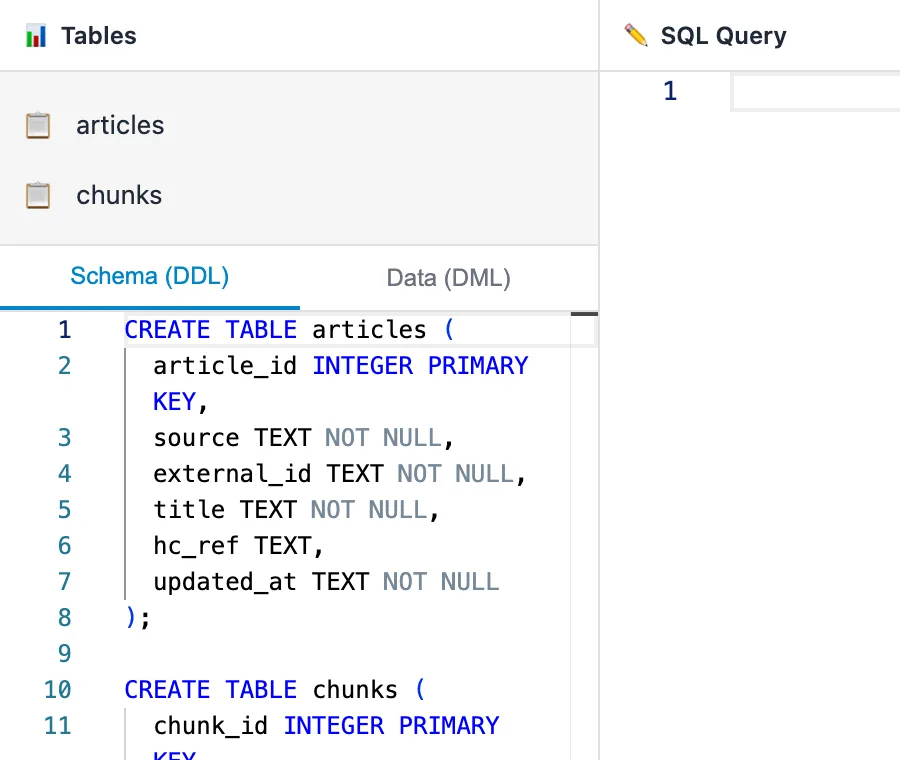
What a strong candidate did: Found in the data which articles were stale and why the refresh skipped them, sized how many answers were affected, and proposed a refresh that removes deleted articles as well as adding new ones.
Code, then a short written note
Payment webhook handler for invoice updates
A billing product for home-services businesses learns about each payment from a provider webhook. Some homeowners got two receipts for one payment, and some paid invoices still show as unpaid. The candidate owns the handler.
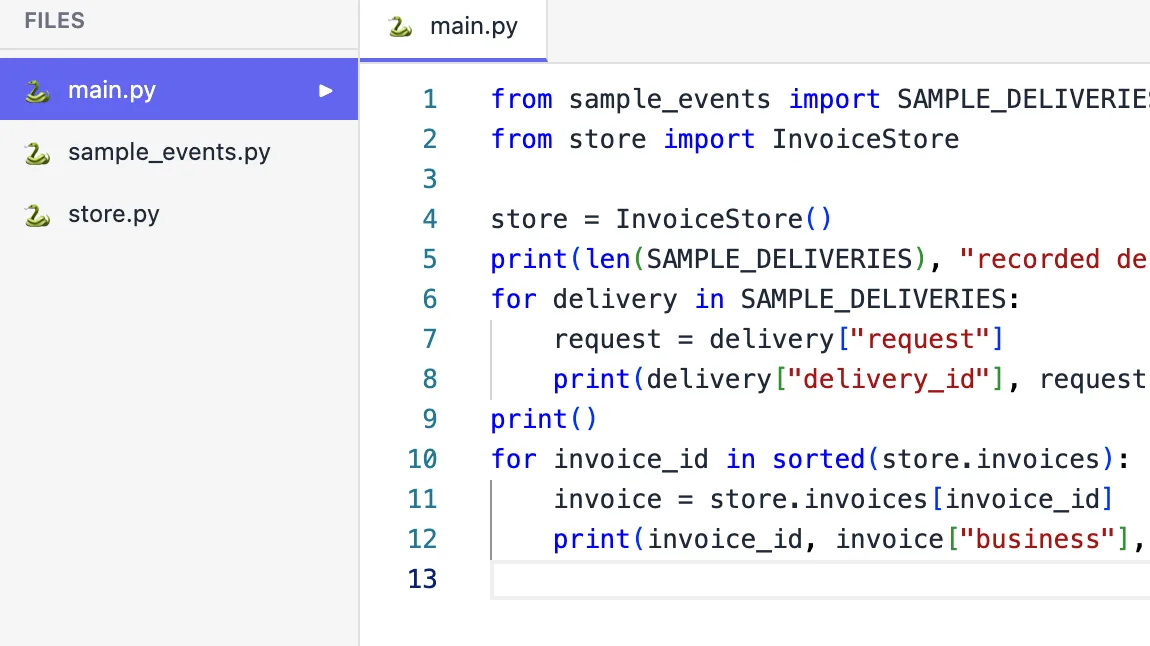
What a strong candidate did: Made the handler safe to receive the same event twice, ignored events that arrive out of order, and showed both reported bugs fixed with tests. The note told billing operations which past invoices to re-check.
How the decision gets made
With Gateway, each PHP candidate works on situations written from your job description, such as finding stale records in the database with SQL or making a payment webhook handler safe when the same event arrives twice. The candidate writes the query or the code, then a short note on what to check next. The hiring manager sees a score and written feedback per skill, opens the work read-only, and interviews only candidates who fixed the real problem and explained the risk.
See your next PHP developer at work before you meet them
Paste your job description and Gateway writes the assessment in about 5 to 10 minutes. Your team can edit every question before it goes out.
Questions
Our code is custom PHP, not a framework. Can the tasks reflect that?
Yes. Gateway writes the assessment from your job description, so describe your codebase and the situations will match it. Your team can edit any task before it goes out.
Can we test WordPress or Magento work as well?
If the role involves them, put that in the job description and the tasks will include it. Review each question first and adjust it to the parts of the platform your team actually changes.
What does the hiring manager see for each PHP candidate?
A score and written feedback for every skill, a tier from 1 to 5, and whether the candidate meets your line. The submitted code and notes open read-only in the same tool the candidate used.
How do candidates take the assessment?
Each candidate gets one link and a deadline and needs only a laptop or desktop. The code editor runs in the browser, and each step explains what it involves before the candidate accepts.
Related