Hire a Web3 developer who makes on-chain actions feel dependable to ordinary users
A Web3 developer connects a product to the chain: wallet sign-in, transactions users can follow, and balances that match what is on-chain. The candidates who do this well treat pending, failed and replaced transactions as carefully as the happy path, and the quickest way to see that is real work from each candidate before interviews start.
What the hiring manager needs from a Web3 developer
Companies posting for a Web3 developer usually want a product engineer who can work across the frontend, a backend service and the chain, with libraries such as ethers, viem or wagmi and an indexer or subgraph behind it. The product lead needs someone who makes signing, waiting and confirming understandable to people who are not crypto experts, because confused users close the tab.
A transaction that sits pending
Gas spikes, the user's transaction waits, and the button invites a second click. A good Web3 developer shows the real state, handles a replaced or dropped transaction, and never lets the interface suggest that money moved when it has not.
Wallets and networks that behave differently
Browser extensions, mobile wallets over WalletConnect and smart contract wallets each sign and switch networks a little differently. The developer tests across them and gives a plain message when the user is connected to the wrong network.
Balances read from an indexer that lags
The app reads positions from a subgraph or your own indexer, which can trail the chain by a few blocks. The developer decides what to show while it catches up, so users never watch a deposit vanish and reappear.
Signing in with a wallet
The product uses wallet signatures for login and sessions. The developer guards against replayed signatures, expires sessions sensibly, and explains to users in plain words what they are being asked to sign.
Where hiring a Web3 developer usually goes wrong
- Hiring a contract specialist for a product role
- Web3 postings attract many people whose strength is Solidity. If most of the work is the app around the contracts, a candidate who has never handled a wallet edge case will struggle with exactly what users touch.
- Reading fluency in the culture as experience
- Knowing the projects, the vocabulary and the debates makes a candidate sound native. None of it shows whether the person can debug a failed signature on a mobile wallet.
- Demo dApps that only run on a test network
- A portfolio app on a test network with one wallet skips the hard parts: real fees, slow confirmations and users who reject the request halfway through.
- No test of the off-chain half
- Much of a Web3 product is ordinary backend work: webhooks, jobs and databases that must agree with the chain. A loop that skips it hires someone who leaves that half fragile.
Real tasks from a Gateway assessment
These come from a Gateway assessment for a backend engineer, with the employer’s name taken out. Gateway writes every assessment from your own job description, so the tasks your candidates get are built around your role.
SQL, then a written note
Stale answers from the support assistant’s knowledge base
An AI support assistant answers from help articles that a nightly job splits, embeds and stores. Customers are getting answers from articles that were changed or removed weeks ago.
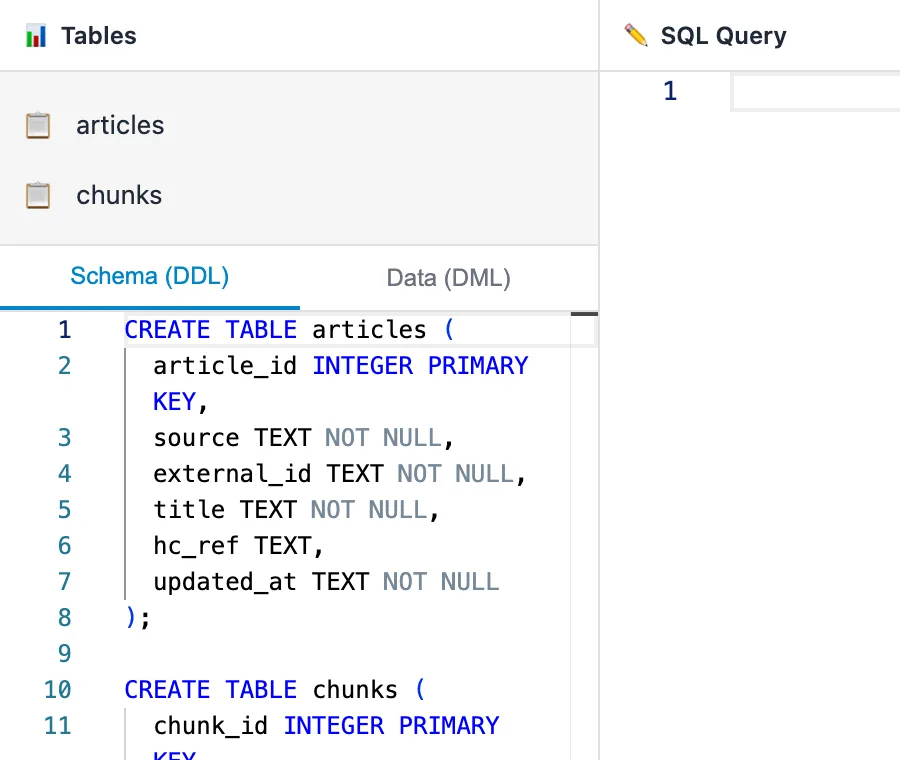
What a strong candidate did: Found in the data which articles were stale and why the refresh skipped them, sized how many answers were affected, and proposed a refresh that removes deleted articles as well as adding new ones.
Code, then a short written note
Payment webhook handler for invoice updates
A billing product for home-services businesses learns about each payment from a provider webhook. Some homeowners got two receipts for one payment, and some paid invoices still show as unpaid. The candidate owns the handler.
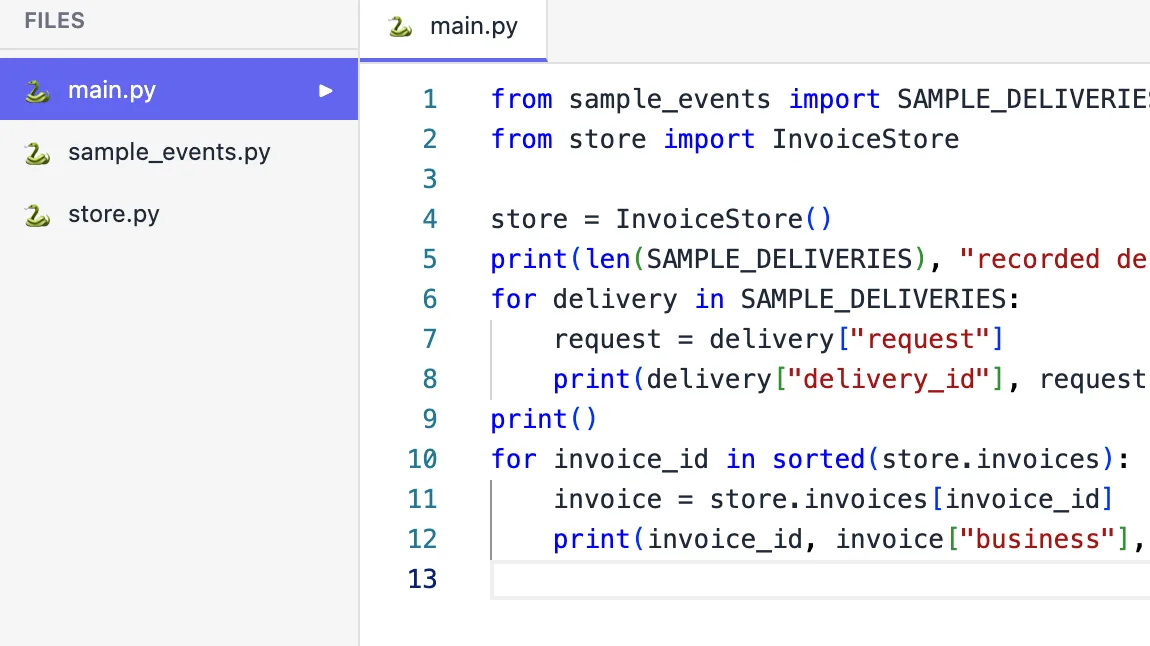
What a strong candidate did: Made the handler safe to receive the same event twice, ignored events that arrive out of order, and showed both reported bugs fixed with tests. The note told billing operations which past invoices to re-check.
How the decision gets made
In Gateway, Web3 developer candidates work on situations taken from your own job description: a service answering from data that went stale, a webhook that fires twice, a wallet flow with failures to handle. They work in code and in web code with frontend frameworks ready to use, then explain their choices in a short note. Your product or engineering lead sees per-skill scores with written reasons, opens the work read-only, and spends interview time only on developers whose flows would survive real users.
See your next Web3 developer at work before you meet them
Paste your job description and Gateway writes the assessment in about 5 to 10 minutes. Your team can edit every question before it goes out.
Questions
Can candidates build against our frontend stack?
Web code in Gateway comes with frontend frameworks ready to use, and the tasks follow the libraries named in your job description. Your team can adjust the starter code and every question before sending.
We hire across time zones. How do candidates take it?
Each candidate gets one link and a deadline and works on a laptop or desktop at a convenient time. Every step says what it involves before the candidate accepts it.
Can the hiring manager see the reasoning behind the code?
Yes. Tasks can end with a written note, and each skill carries a score and written feedback. Any answer opens read-only in the tool the candidate used.
What does the product lead actually receive?
A tier from 1 to 5 for each candidate and whether the candidate meets your line, with results you can share along with a note. Decisions and any change to a score stay with your team.
Related